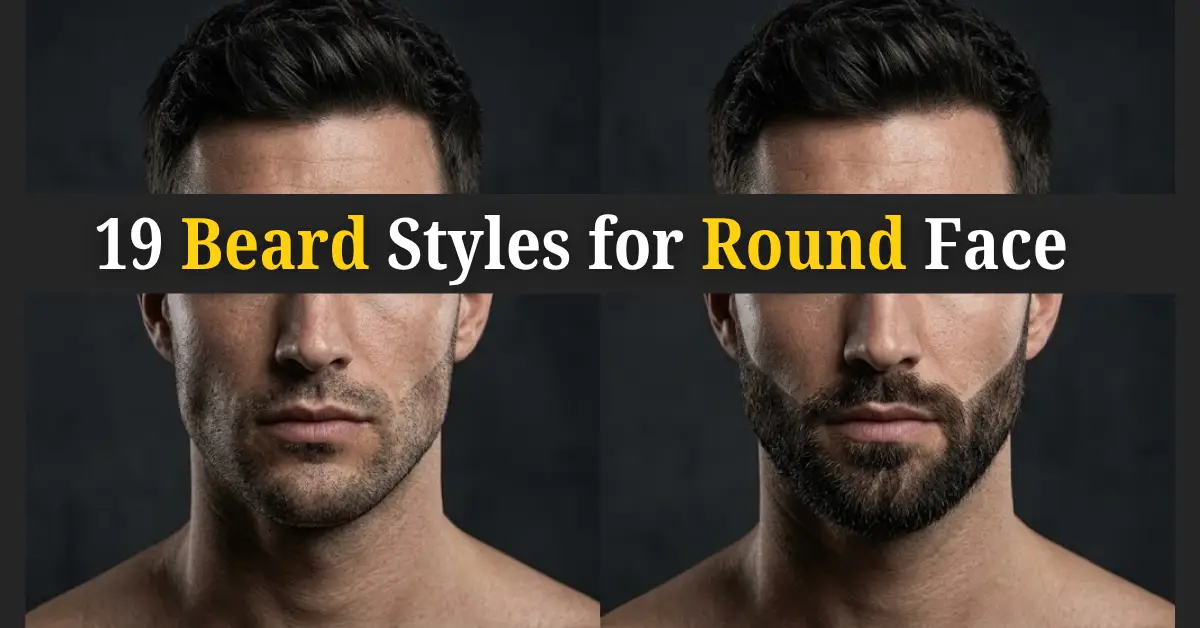
Beard Styles for Round Face: 19 Jawline Defining Options That Add Structure
Beard styles for round face are not about following trends. They are about correcting proportion. A round face typically has similar width and length measurements, which softens angles and reduces jaw definition.
The right beard on round face men can visually elongate the lower third, sharpen structure, and create stronger masculine balance. Within the broader ecosystem of beard styles for men, this is where architecture matters more than volume.
Understanding Round Face Geometry
Before choosing specific beard styles for round face, you must understand the structural challenge. The goal is not simply adding facial hair. It is redistributing visual weight to create vertical emphasis and angular illusion.
Width to Length Ratio
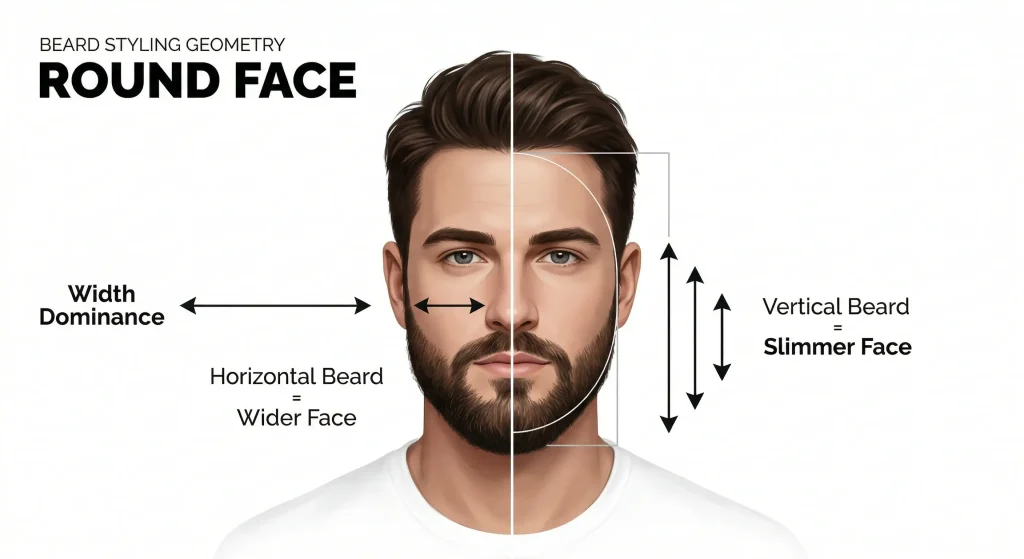
A round face typically has a near equal width to length ratio. The cheeks appear fuller, and the jawline lacks sharp corners.
Because horizontal space dominates, any beard that adds side bulk will exaggerate width. The solution is to increase perceived length through controlled chin extension and tighter cheek shaping.
Why Horizontal Beards Fail?
Wide, thick side heavy beards expand the lower half of the face outward. This amplifies roundness rather than correcting it.
Heavy cheek density without vertical structure creates a circular silhouette. Many beard round face mistakes come from chasing fullness instead of proportion.
The Jawline Illusion Principle
The jawline illusion principle focuses on creating vertical lines and sharper lower angles. Slightly longer chin length combined with tighter sides reshapes perception.
Strategic trimming can simulate stronger bone structure. The best jawline beard styles for round faces do not rely on maximum growth. They rely on controlled shaping that shifts the eye downward instead of outward.
The Vertical Emphasis Framework
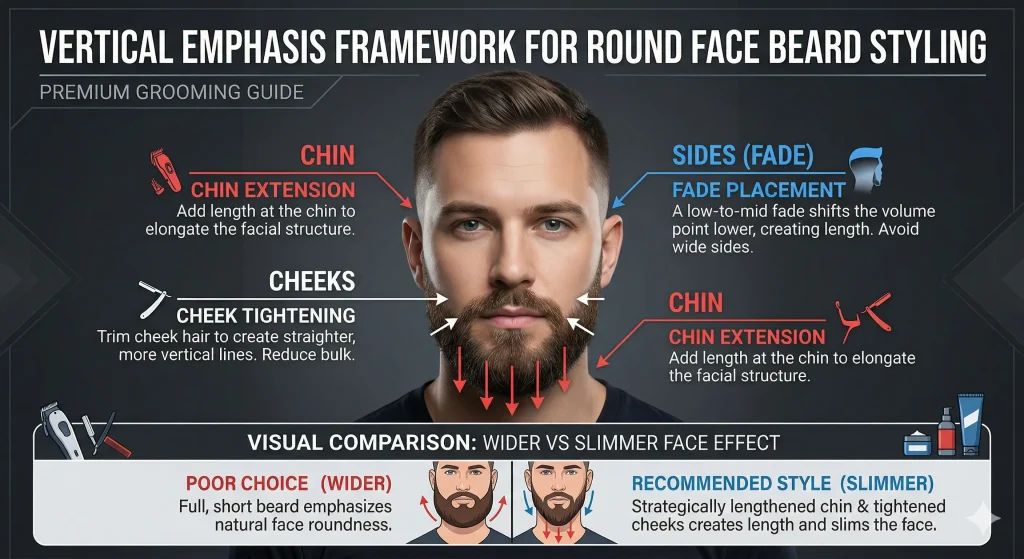
Beard styles for a round face succeed when they redirect visual weight downward instead of outward. The vertical emphasis framework is built on three controlled adjustments: extending the chin, tightening the cheeks, and placing fades strategically. When these elements work together, the beard on round face men transforms proportion rather than simply adding density.
Chin Extension Strategy
Extending length at the chin creates the illusion of a longer face. This does not require excessive growth, but it does require intentional shaping.
Keeping slightly more density at the center while tapering the sides narrows the silhouette. Styles such as structured goatees and tapered chin beards follow this principle. For refined chin focused options, explore goatee beard styles that emphasize vertical structure without adding width.
Cheek Tightening Strategy
Round faces benefit from reducing bulk along the upper cheeks. Tightening this area removes horizontal expansion and sharpens angles.
Controlled cheek shaping does not mean aggressive carving. It means disciplined trimming that maintains fullness near the jaw while minimizing width at the sides.
Fade Placement Strategy
Fade placement dramatically influences facial perception. A mid or higher fade reduces visual width above the ear and enhances vertical balance.
Integrating controlled gradients from modern beard fade styles supports slimming effects. When paired with a well-structured haircut, as explained in a taper fade haircut styles guide, fade positioning strengthens the vertical illusion and sharpens overall definition.
19 Beard Styles for Round Face Ranked by Slimming Effect
Not all beard styles for round face deliver the same structural impact. The following options are ranked by how effectively they reduce width, extend the chin area, and sharpen the jawline. Each style supports vertical emphasis rather than horizontal expansion.
1. Tapered Chin Beard
The tapered chin beard keeps the cheeks tight while gradually increasing density toward the center of the chin. This creates strong downward flow.
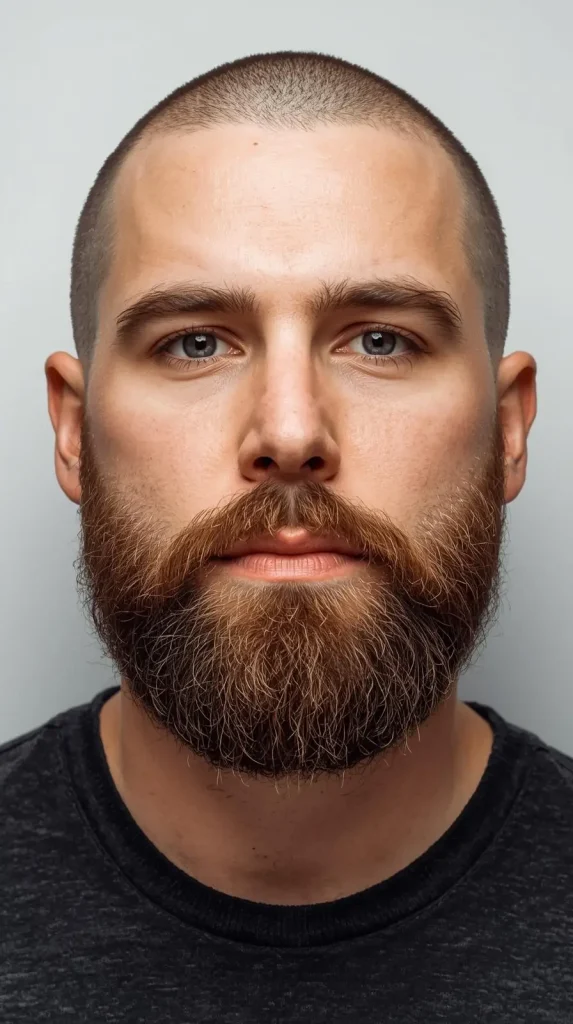
For beard on round face men, this is one of the most effective proportion correcting styles. The controlled taper slims the sides and strengthens chin projection.
2. Extended Goatee
The extended goatee removes cheek bulk while concentrating structure around the chin and mustache area. It naturally elongates the lower third of the face.
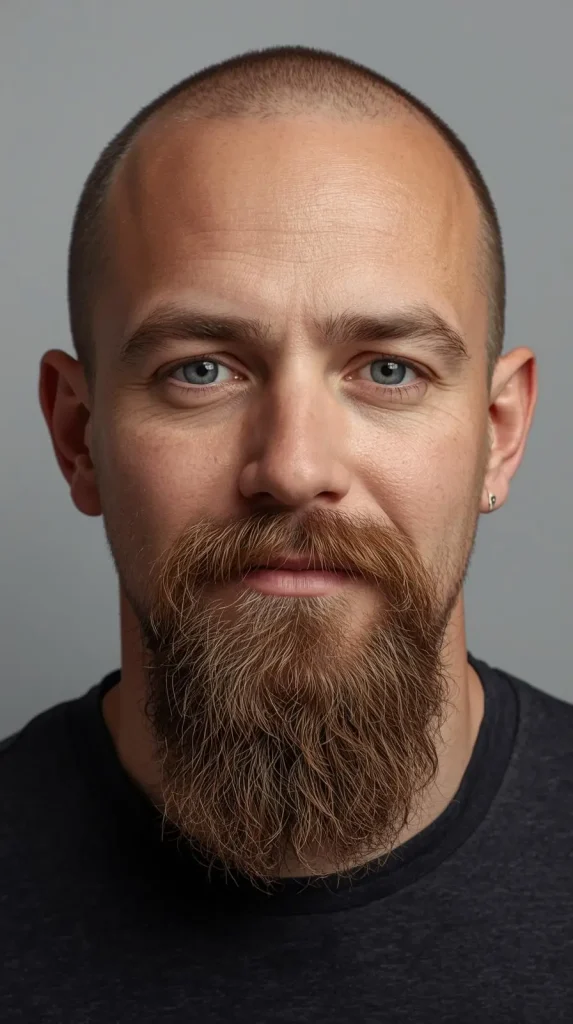
This variation is highly effective for beard round face correction because it eliminates side width. Explore structured variations within goatee beard styles to refine chin focused architecture.
3. Short Boxed Beard with Taper
A short boxed beard with taper maintains compact length while subtly reducing density near the sideburns. The result is balanced and slimming.
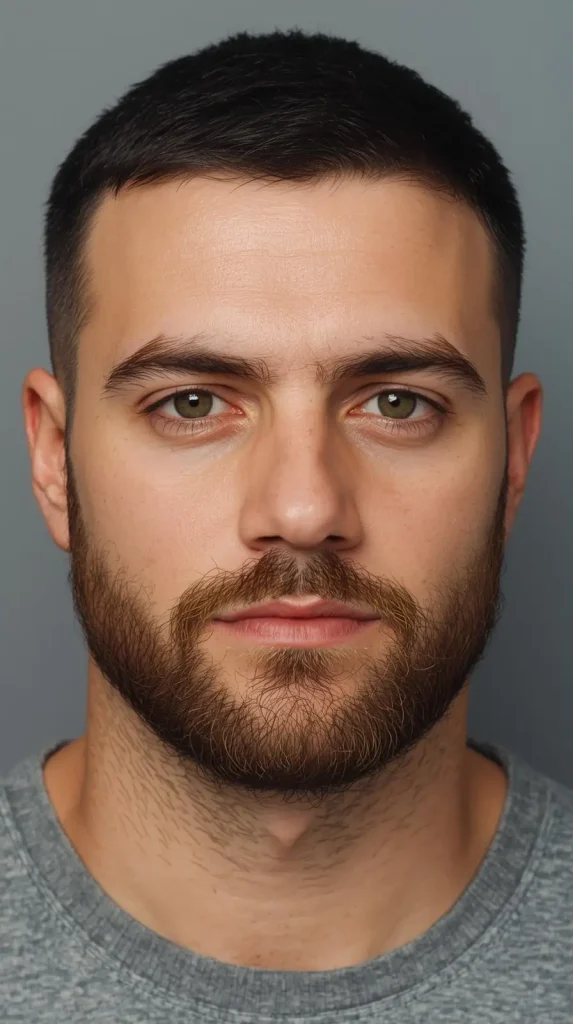
This option works well for men who want professional structure without dramatic chin length. The taper prevents the beard from widening the face.
4. Medium Length Tapered Beard
The medium length tapered beard adds slight vertical extension while keeping the cheeks disciplined. The extra chin length improves overall proportion.
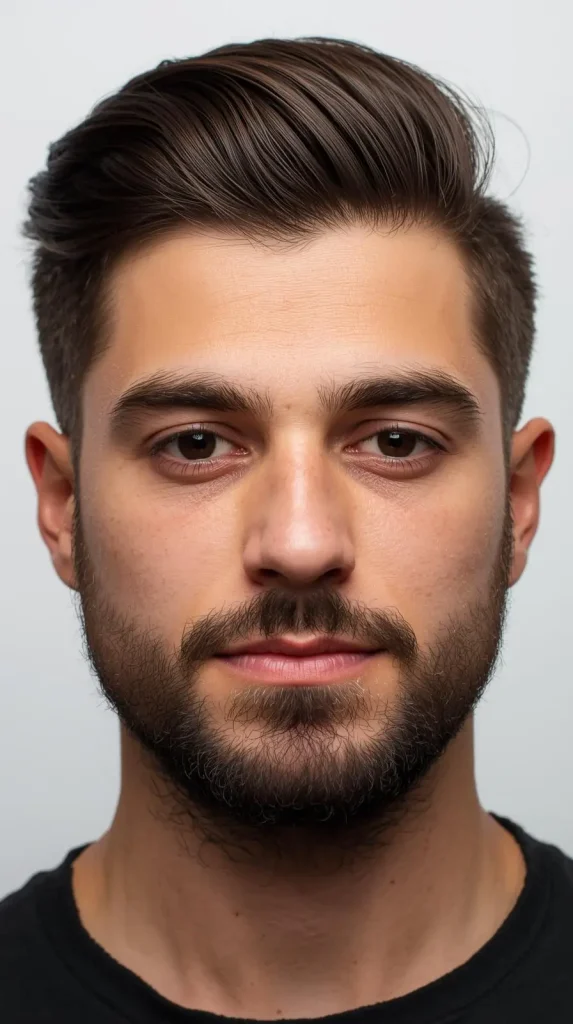
Among beard styles for round face, this variation offers strong correction without looking exaggerated. Controlled shaping is essential to avoid side bulk.
5. Beard Fade with Chin Emphasis
A beard fade with chin emphasis reduces upper side density through a gradient while preserving more length at the center.
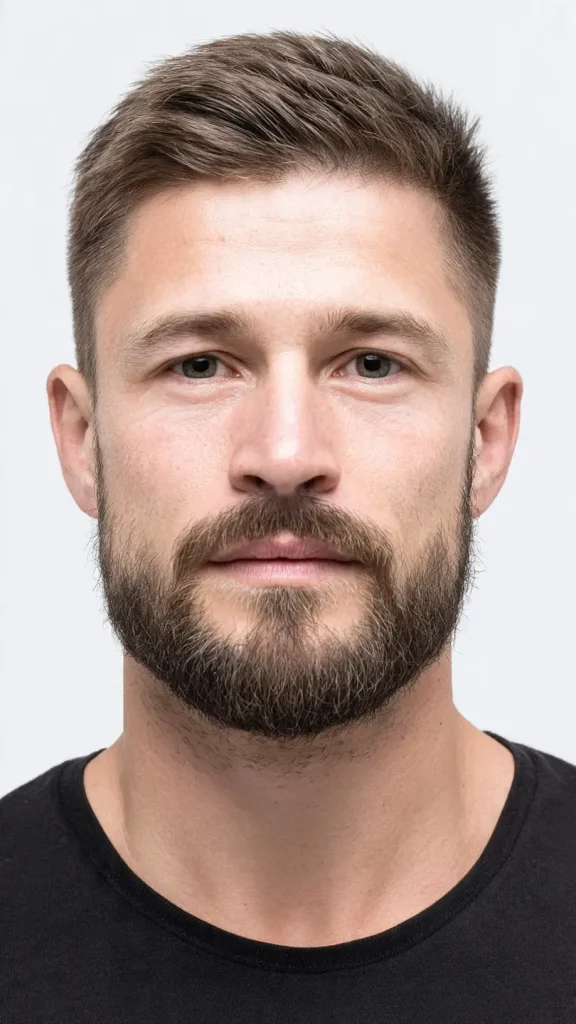
Modern beard fade styles paired with slight chin extension create noticeable slimming. The fade tightens width, and the chin structure elongates the silhouette simultaneously.
6. Jawline Focused Beard
The jawline focused beard concentrates definition along the lower edge while keeping cheek density tight. Slight sharpening beneath the jaw creates angular contrast.
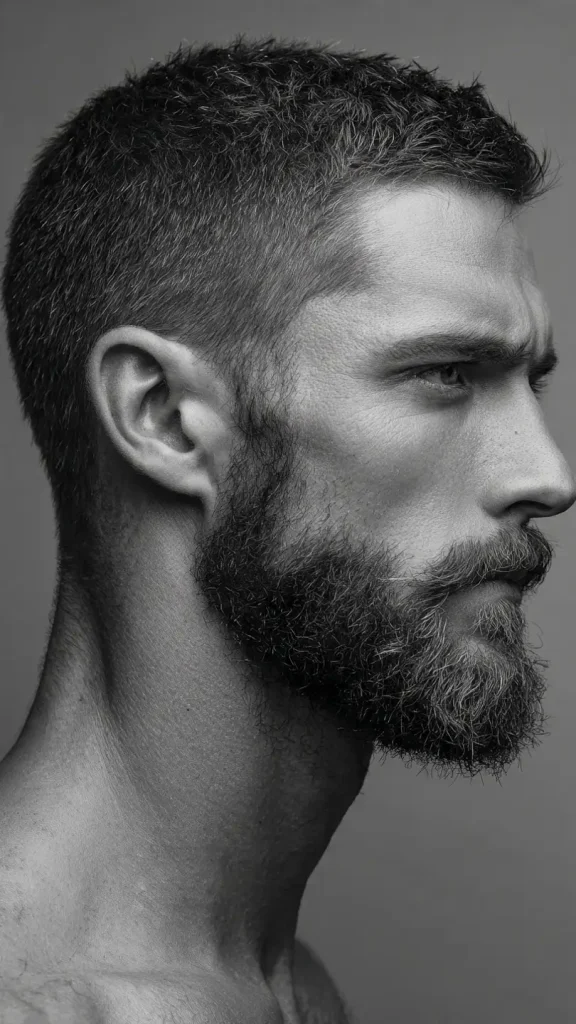
For beard on round face men, reinforcing the jawline illusion strengthens masculinity without increasing side width. Clean neckline placement is critical for maximum effect.
7. Corporate Trim with Vertical Structure
A corporate trim with vertical structure maintains moderate length while subtly tapering the sides and preserving slightly more density at the chin.
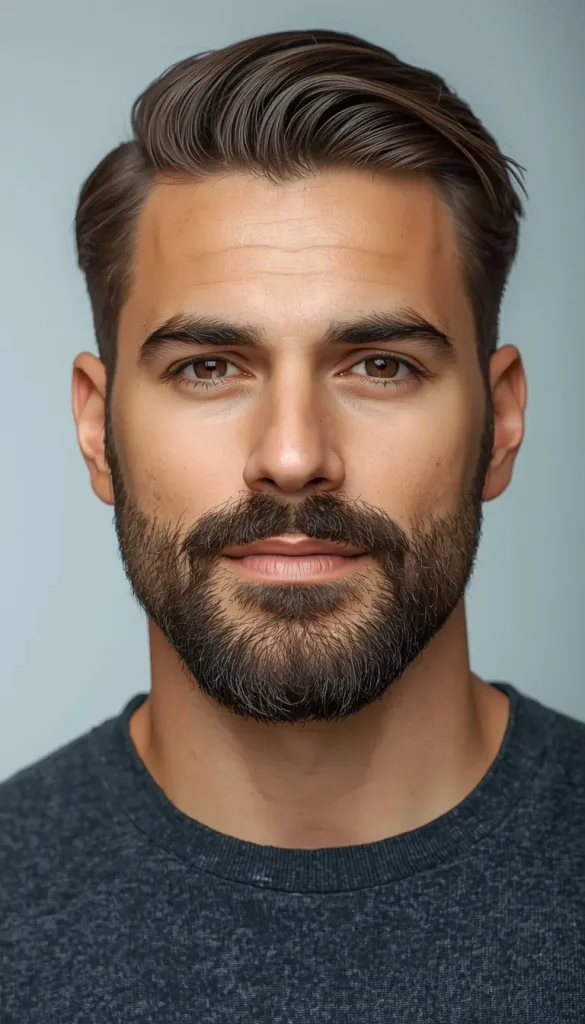
This approach works well in professional settings. It delivers slimming benefits without dramatic shaping, making it one of the most wearable beard styles for round face.
8. Textured Medium Beard
The textured medium beard keeps moderate length but avoids side heaviness through disciplined cheek trimming. Natural density is preserved without expanding outward.
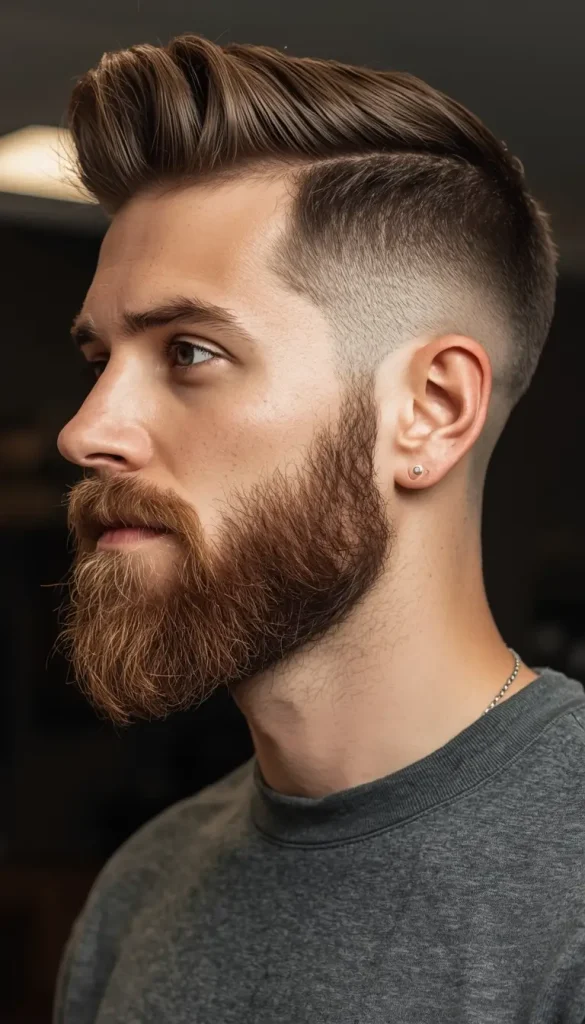
This variation works best when the chin remains marginally longer than the cheeks. Controlled shaping ensures the beard round face correction remains effective.
9. Balbo Variation
The Balbo variation separates the mustache from a sculpted chin beard while removing cheek bulk. This isolates vertical structure and reduces width.
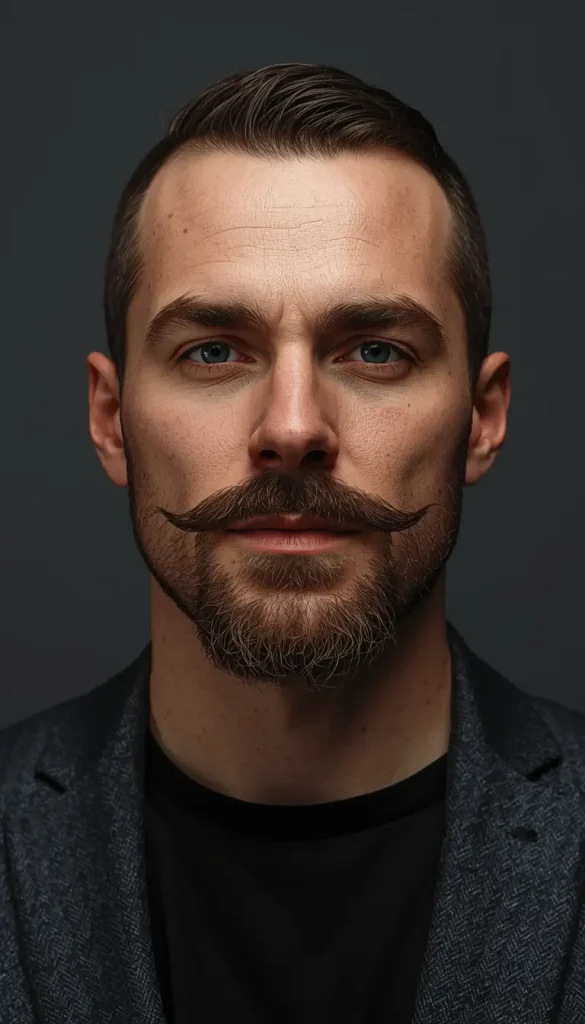
By concentrating density toward the center, it elongates the face naturally. It is a strong choice for men seeking distinctive jawline beard styles.
10. Van Dyke Variation
The Van Dyke variation emphasizes a pointed chin structure with clear separation from the mustache. This sharp vertical line reduces circular appearance.
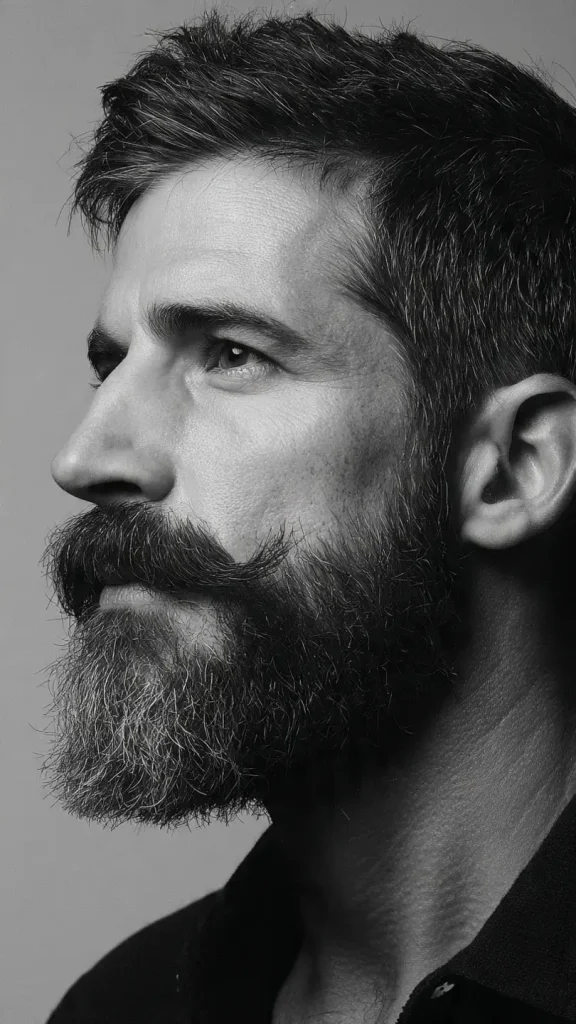
For a deeper breakdown of its pointed architecture, explore the van dyke beard style guide. This structure is particularly effective for beard on round face men seeking aggressive slimming.
11. Light Stubble with Tight Sides
Light stubble combined with disciplined side trimming reduces visual bulk while maintaining subtle shadow.
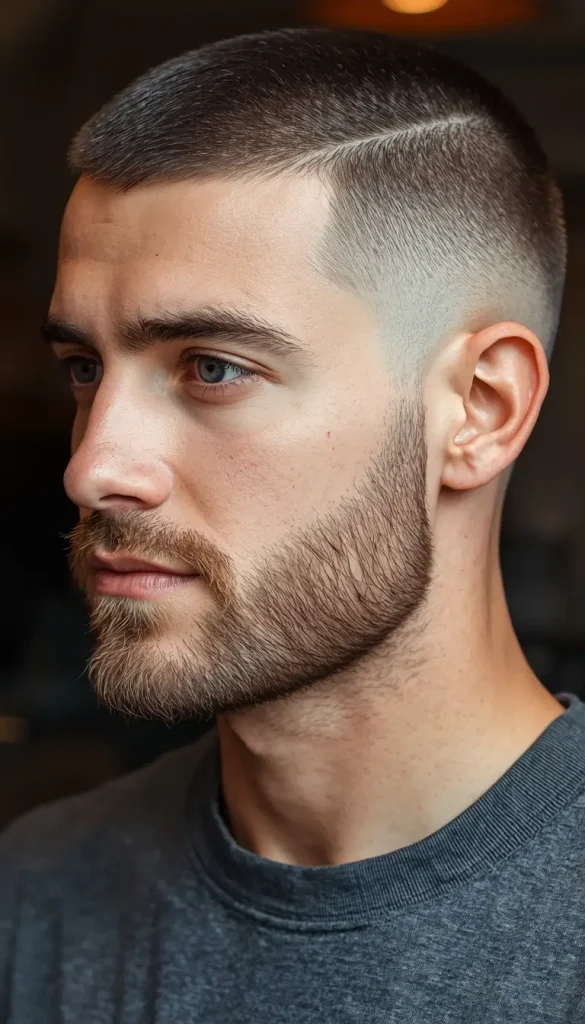
Keeping the cheeks tightly controlled prevents horizontal expansion. This minimalist approach works well for men who prefer shorter beard styles for round face correction.
12. Faded Beard with Longer Chin
A faded beard with longer chin integrates gradient control at the sides while preserving vertical extension at the center.
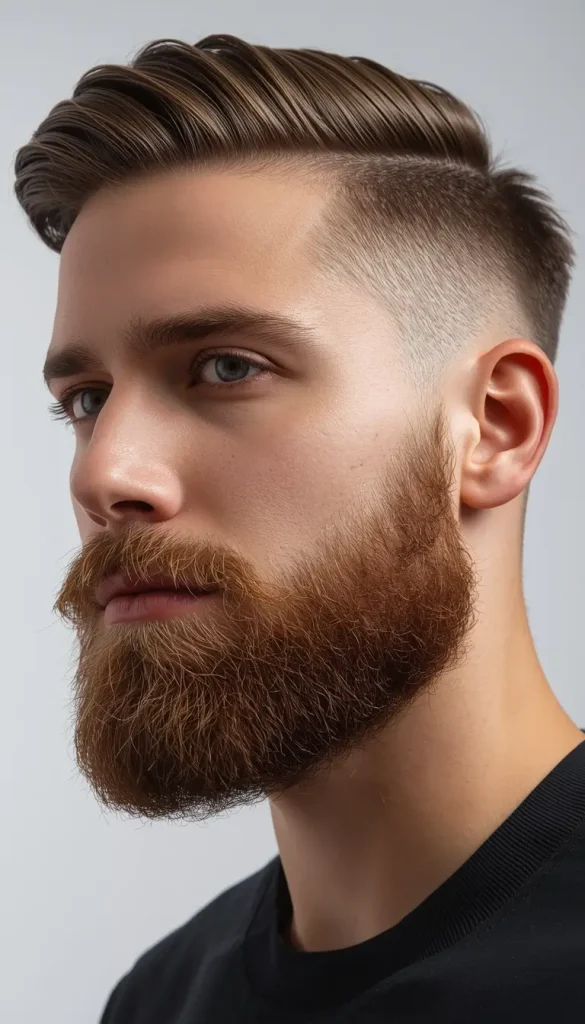
The fade tightens upper width, and the extended chin elongates the lower third. This dual adjustment makes it one of the most balanced beard round face strategies available.
13. Sculpted Goatee
The sculpted goatee removes cheek width entirely and concentrates structure at the center of the face. This creates immediate vertical emphasis.
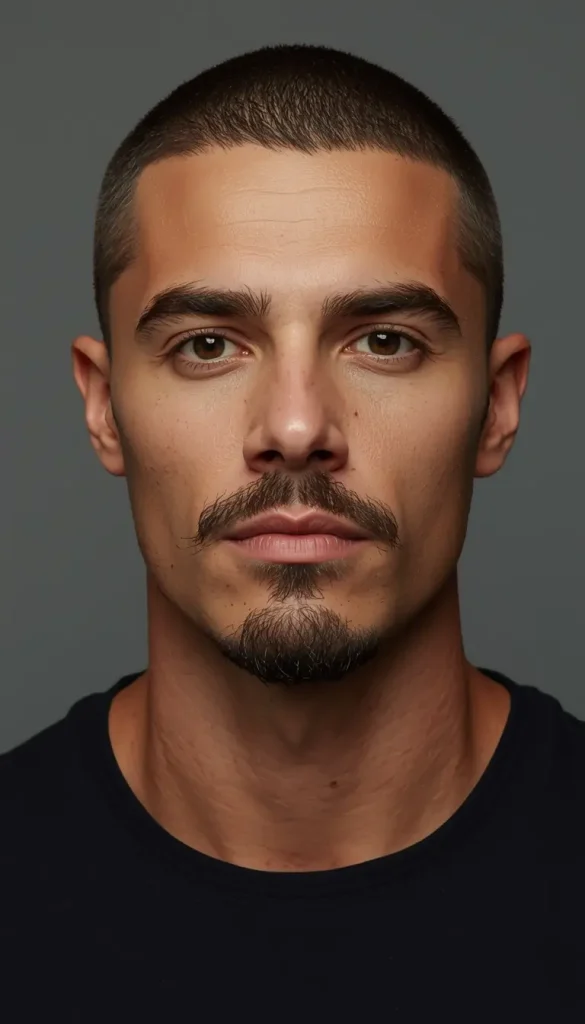
For beard for round face men, isolating the chin is one of the most powerful slimming techniques. Precision shaping ensures the goatee remains sharp rather than narrow and weak.
14. Drop Fade Beard with Chin Length
A drop fade beard with chin length combines curved gradient control at the sides with subtle vertical extension at the center.
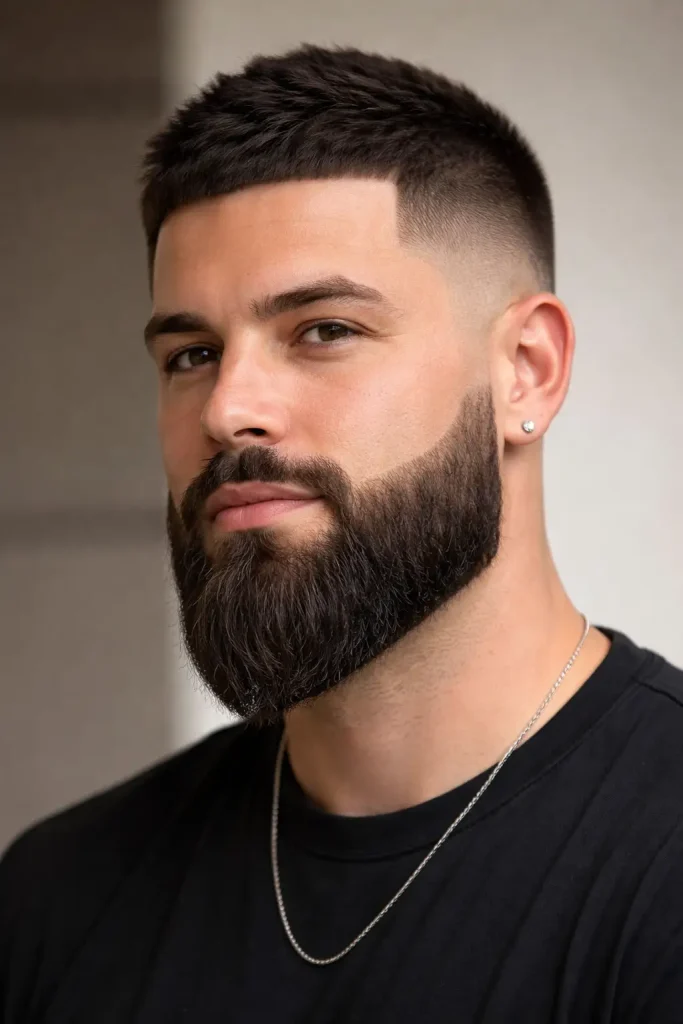
The drop fade tightens upper width while the chin adds elongation. This pairing creates balanced proportion without over exaggeration.
15. Salt and Pepper Structured Beard
The salt and pepper structured beard leverages natural gray contrast while maintaining disciplined shaping.
Keeping the cheeks controlled and the chin slightly fuller prevents added width. Structured trimming ensures the beard round face correction remains effective despite color variation.
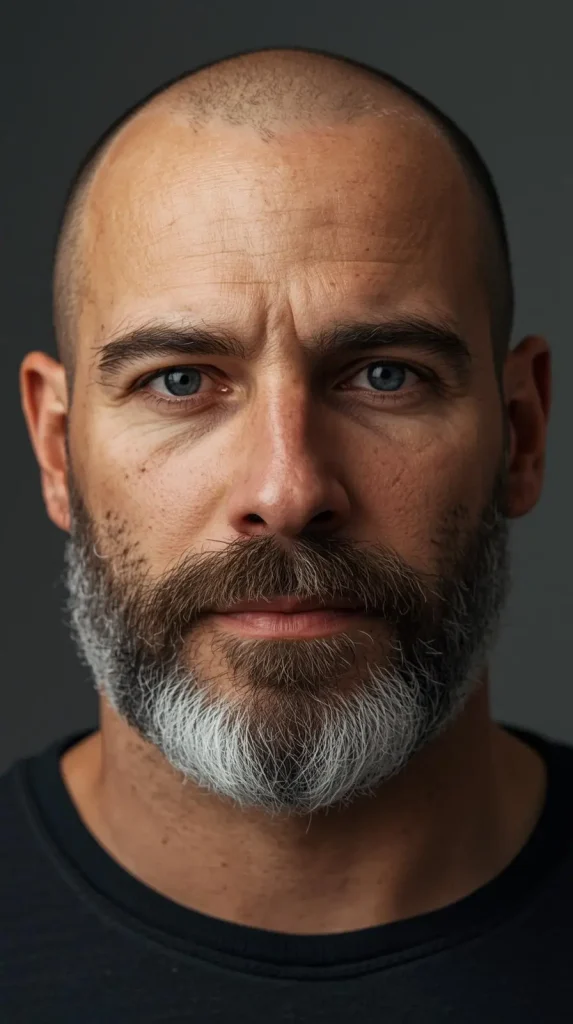
16. Bald Head Integrated Beard
For bald men with round faces, the beard becomes the primary structural element. Vertical chin emphasis is essential to counteract facial width.
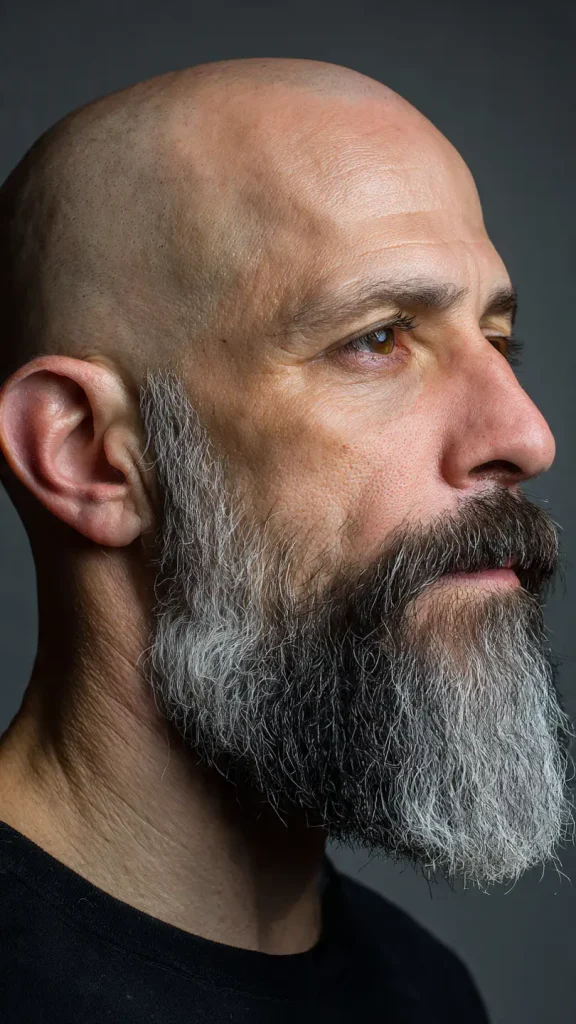
Tight sides and slightly extended center density create stronger proportion. This beard on round face approach anchors the profile with masculine definition.
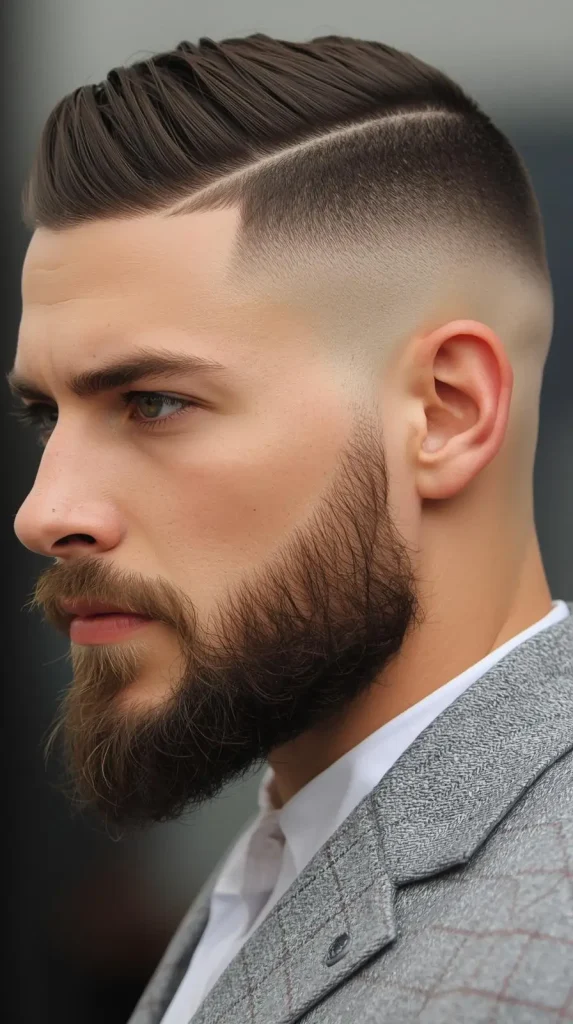
17. Undercut with Vertical Beard Balance
Pairing an undercut with vertical beard balance reduces side volume at the haircut level while preserving chin structure.
The reduced upper width complements tapered beard shaping. This integration enhances slimming effect without extreme beard length.
18. Medium Beard with Angular Cheek Line
The medium beard with angular cheek line avoids rounded upper boundaries. Slightly angled cheek shaping introduces sharper geometry.
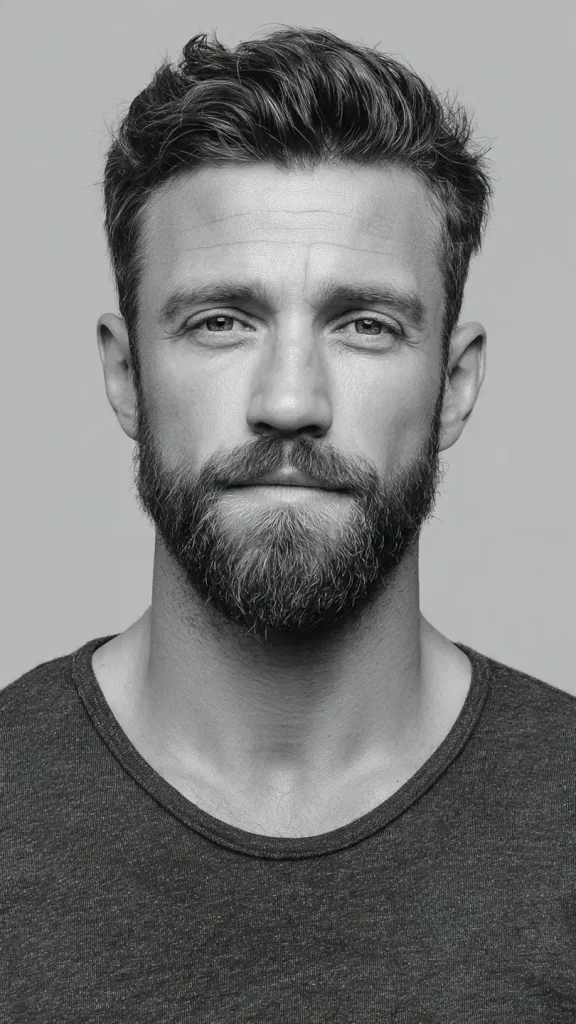
Angular edges break circular softness. When combined with disciplined chin density, this style ranks high among jawline beard styles for round faces.
19. Modern Precision Slim Beard
The modern precision slim beard blends tight sides, subtle tapering, and controlled chin emphasis into a symmetrical structure.
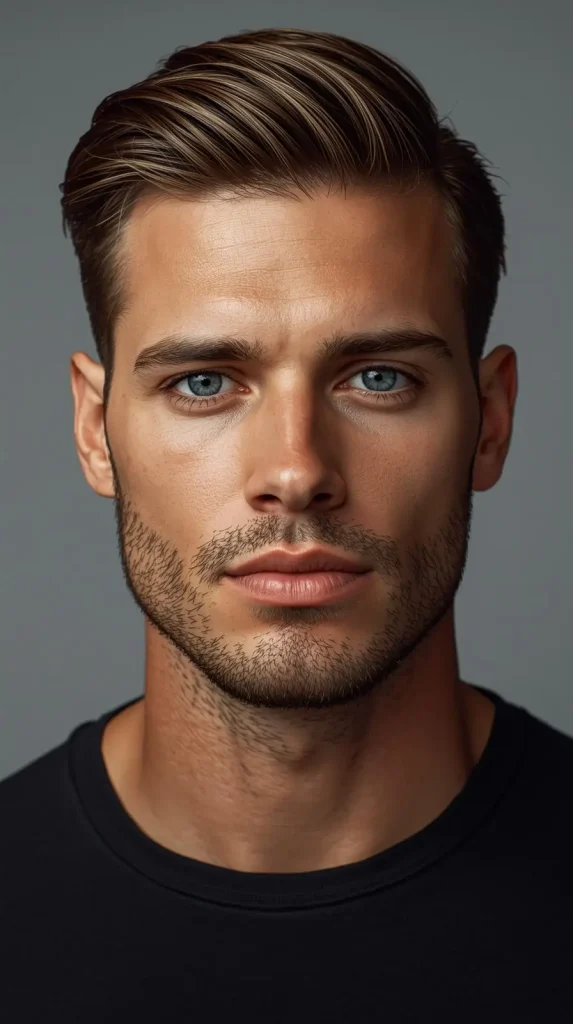
Every boundary is intentional. Among beard styles for round face, this variation delivers refined correction without looking overly engineered.
Beard Styles Round Faces Should Avoid
Knowing what to avoid is just as important as knowing what works. Certain beard shapes amplify width and soften structure, making a round face appear even fuller. Avoiding these patterns protects the slimming effect you are trying to create.
Full Wide Beards
Full wide beards add density equally across the cheeks and jaw. This increases horizontal volume and exaggerates facial roundness.
While fullness may look impressive, it rarely corrects proportion. For beard for round face men, excessive side bulk works against vertical emphasis.
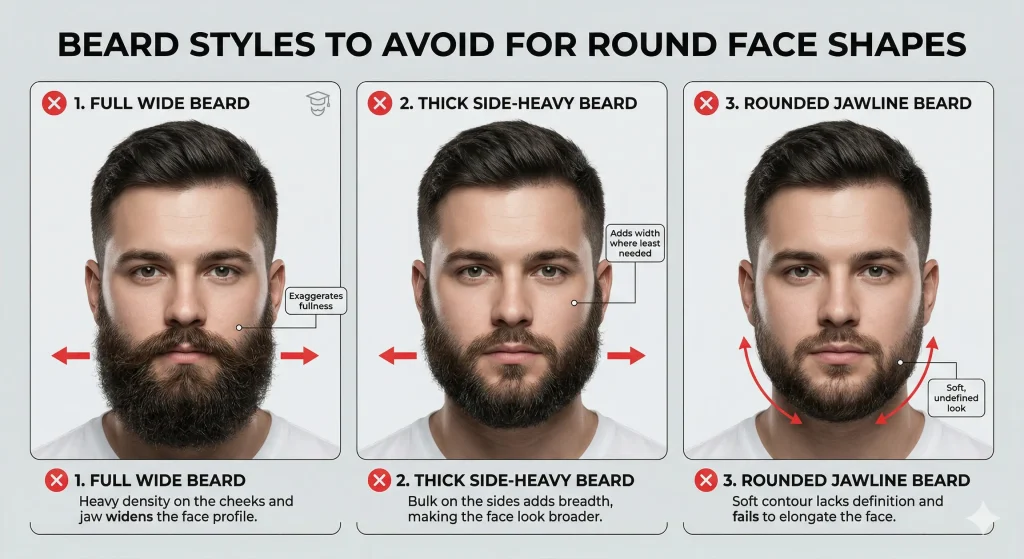
Thick Side Heavy Beards
Beards that carry most of their weight along the cheeks rather than the chin widen the lower third of the face.
Side heavy shaping disrupts the vertical illusion principle. Even moderate cheek overgrowth can reduce the slimming effect of an otherwise well structured beard.
Rounded Jawline Trims
Rounded jawline trims follow the natural curve of the face too closely. Instead of sharpening angles, they reinforce circular contours.
For beard on round face correction, angular or tapered shaping is more effective. Avoiding rounded edges preserves definition and enhances perceived jaw strength.
Fade and Length Optimization for Round Faces
Fade placement and beard length must work together. Even the best beard styles for round face lose effectiveness if the sides are too heavy or the chin lacks definition. Strategic fade selection and disciplined length control reinforce vertical emphasis and reduce width.
Low vs Mid Fade Strategy
A low fade beard preserves more upper density, which can sometimes maintain unwanted width on very round faces.
A mid fade reduces side bulk more aggressively and often creates a stronger slimming effect. Exploring structured beard fade styles helps determine which gradient tightens width without looking extreme.
The goal is controlled contrast, not dramatic removal.
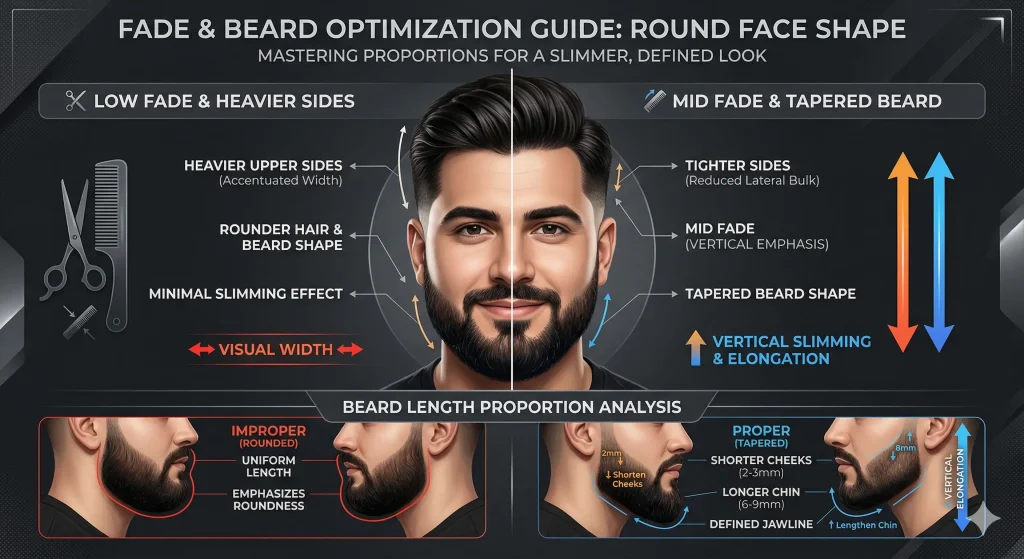
Ideal Beard Length Range
For most beard round face correction, short to medium length works best. Excessively long full beards can add lower bulk rather than elongation if not shaped properly.
Keeping the cheeks slightly shorter than the chin creates proportion. The difference does not need to be dramatic, but it must be intentional.
Professional Styling Approach
In professional settings, subtle tapering and moderate chin emphasis provide balance without aggressive shaping.
Referencing structural blending principles from a taper fade haircut styles guide helps coordinate haircut and beard for cohesive slimming. Clean lines, disciplined trimming, and proportional fade placement complete the correction strategy.