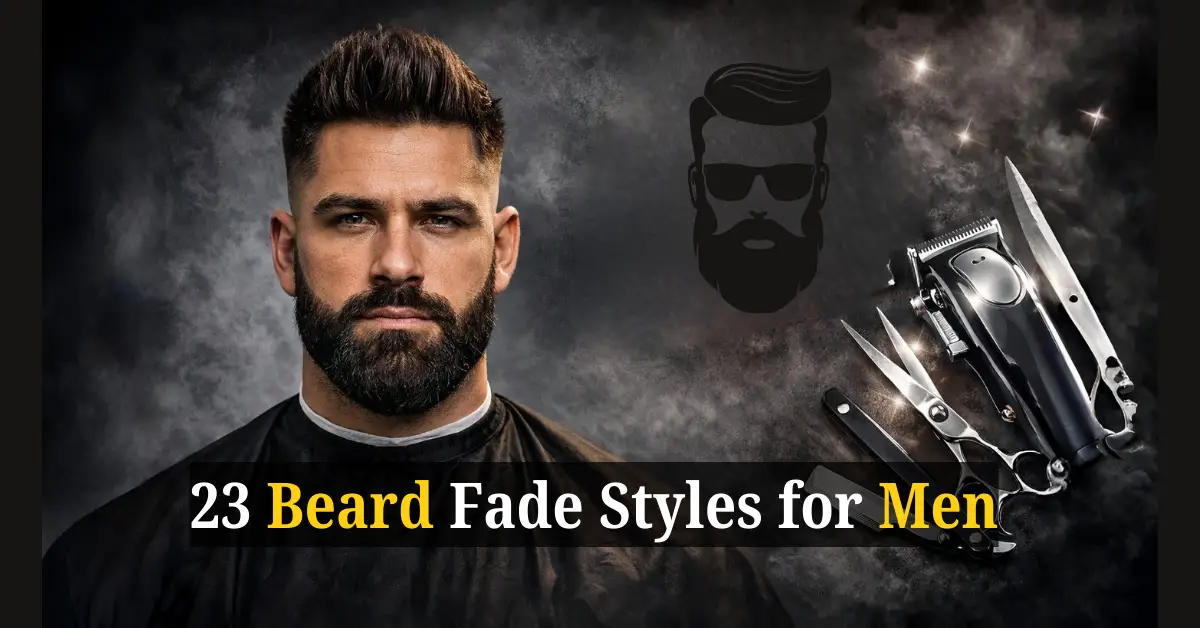
23 Beard Fade Styles for Men That Deliver Razor Sharp Blends
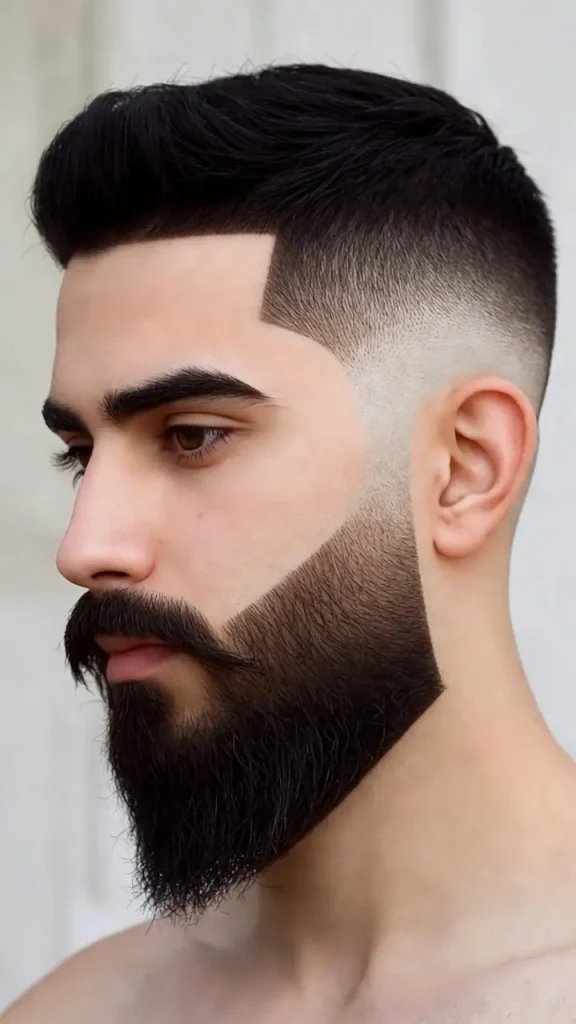
Beard fade styles are built on transition, not length. The fade is the architectural bridge between haircut and facial hair, and when executed properly, it transforms an ordinary beard into a structured design.
Within the broader ecosystem of beard styles for men, faded beard styles represent precision blending and controlled contrast. A sharp beard fade is less about volume and more about mastering the gradient.
23 Beard Fade Styles That Master the Perfect Blend
Beard fade styles rely on clean gradients that move seamlessly from skin to density. The level of fade determines how bold or subtle the contrast appears. Below are 23 variations that define modern beard fade men request most often.
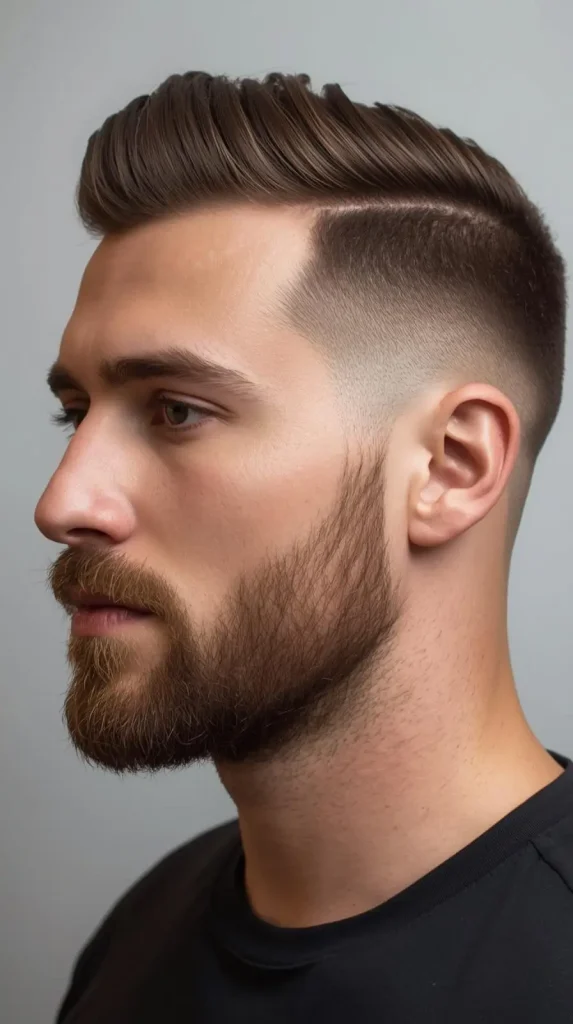
1. Classic Low Fade Beard
The classic low fade beard starts the gradient just above the ear and keeps most of the upper hair intact. The transition into the beard is subtle and controlled.
Understanding the structure behind different types of taper fades helps determine how gradual the blend should appear. A low fade beard works exceptionally well with short and medium beard lengths.
2. Mid Fade with Beard
The mid-fade with beard raises the gradient higher on the sides, creating more visible contrast. It balances sharpness with versatility.
This is one of the most requested beard fade styles because it works across multiple beard lengths. The transition is noticeable but not overly aggressive, making it suitable for professional environments.
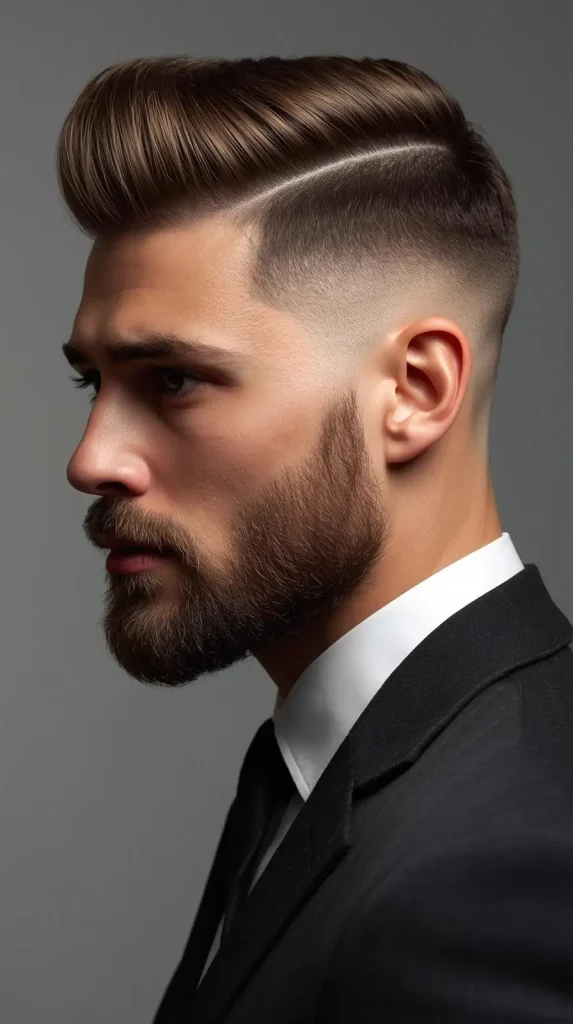
3. High Fade Beard
The high fade beard removes significant bulk from the sides, allowing the beard to dominate the lower face. The contrast is strong and immediately eye catching.
Among faded beard styles, this option delivers maximum definition. Precise blending is essential to prevent harsh lines and maintain a clean silhouette.
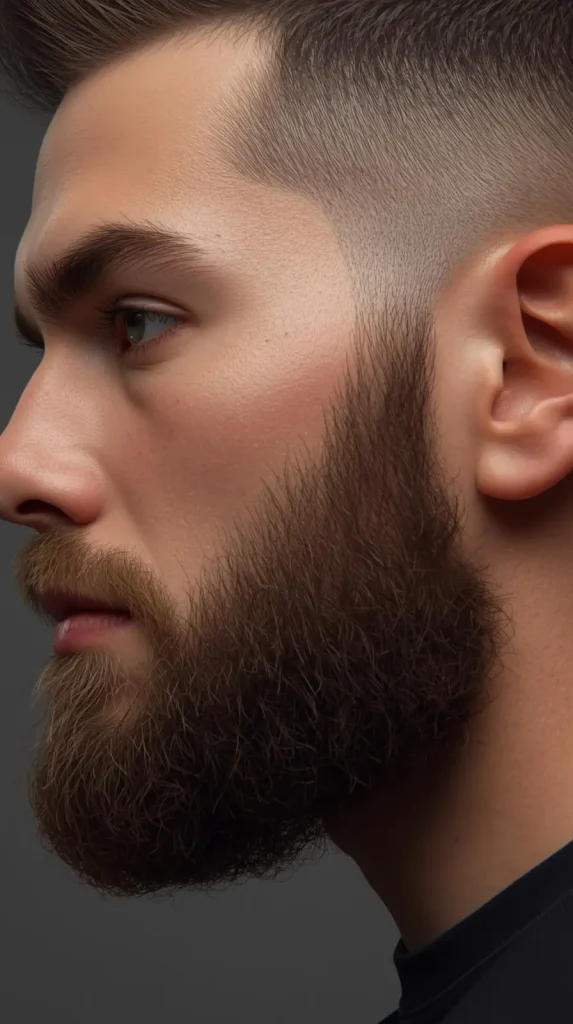
4. Skin Fade with Beard
The skin fade with beard transitions completely to bare skin at the base before blending upward into density. The result is a sharp, high-contrast gradient.
Among beard fade styles, the skin fade delivers one of the cleanest finishes. The transition into the beard must remain smooth to avoid visible steps in the blend.
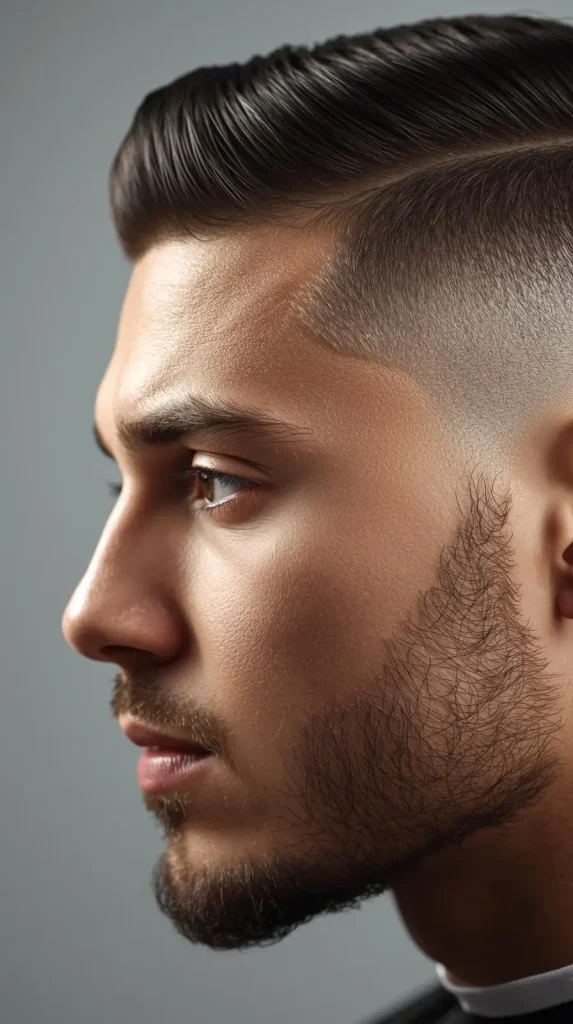
5. 0 Fade with Beard
A 0 fade with beard uses a zero guard at the base instead of a razor finish. It creates tight contrast without fully exposing the skin.
This option is ideal for men who want strong definition without the intensity of a skin fade. Precision blending ensures the beard fade remains proportional.
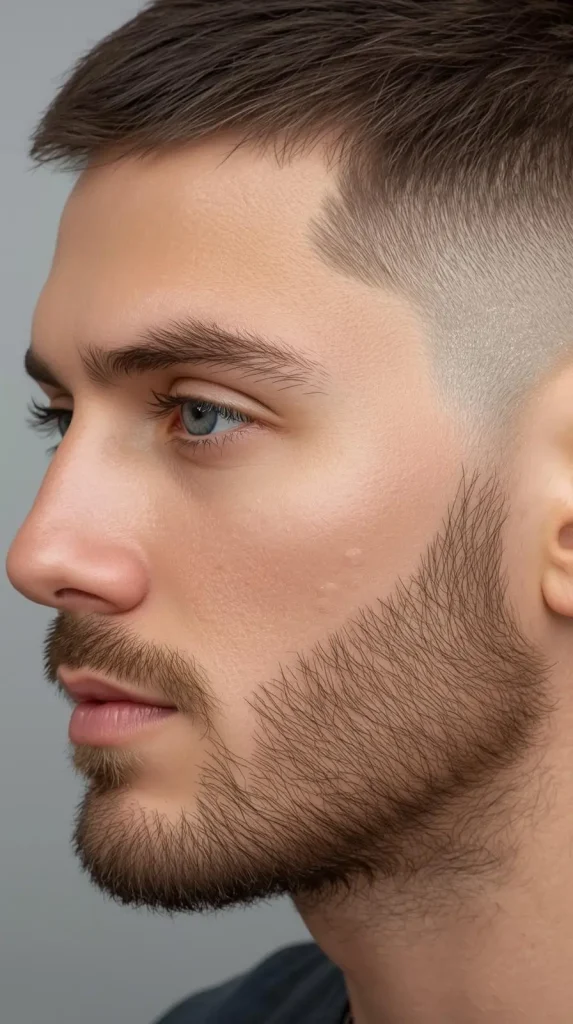
6. Zero Fade Beard
The zero fade beard starts at skin level and gradually increases into beard density. It is often confused with a 0 fade, but the zero fade typically emphasizes tighter skin exposure.
Among beard fade men prefer for bold impact, this variation delivers dramatic contrast. Clean temple detailing keeps the look structured.
7. Taper Fade Beard
The taper fade beard focuses on gradual blending at the sideburn and neckline rather than removing bulk high on the head. It creates a natural yet defined transition.
Understanding the technical foundation from a taper fade haircut styles guide improves the balance between haircut and beard. Selecting the appropriate level from different types of taper fades determines how subtle the gradient appears. This is one of the most versatile beard fade styles.
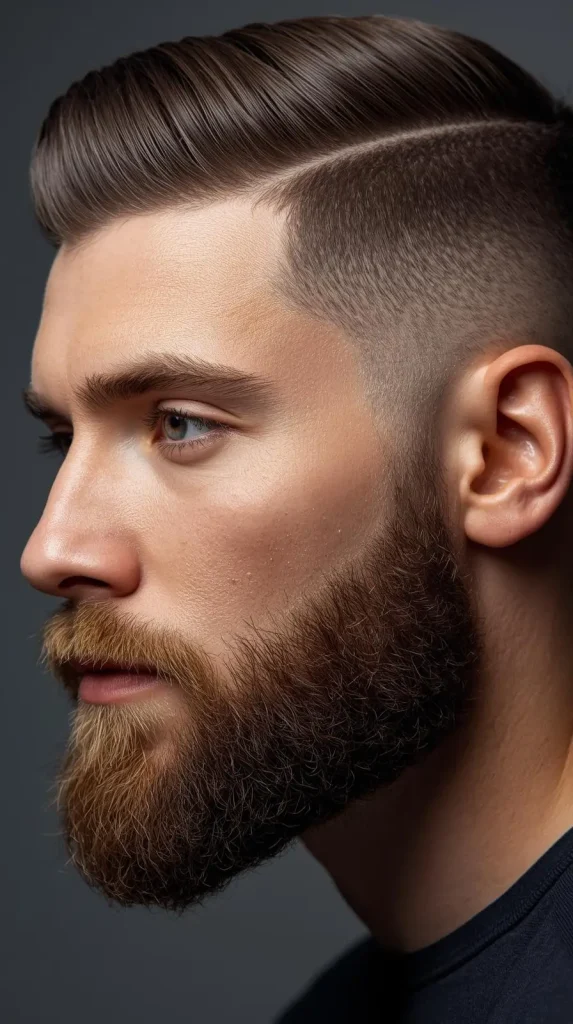
8. Drop Fade with Beard
The drop fade with beard curves downward behind the ear, following the natural shape of the head. This sculpted transition enhances facial contours.
Drop fades work exceptionally well with medium and short beards. The curved gradient sharpens the jaw while maintaining clean proportion.
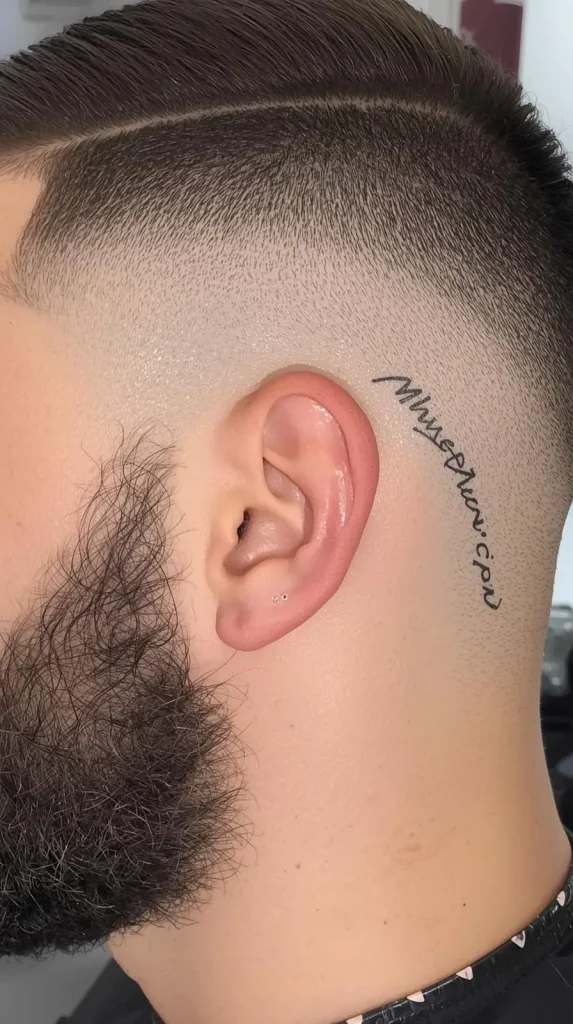
9. Temple Fade Beard
The temple fade beard keeps the blend concentrated around the temples while preserving density above. It creates a focused, clean transition into the beard.
Among faded beard styles, this variation is subtle but precise. It works especially well with short beard lengths and crisp line ups.
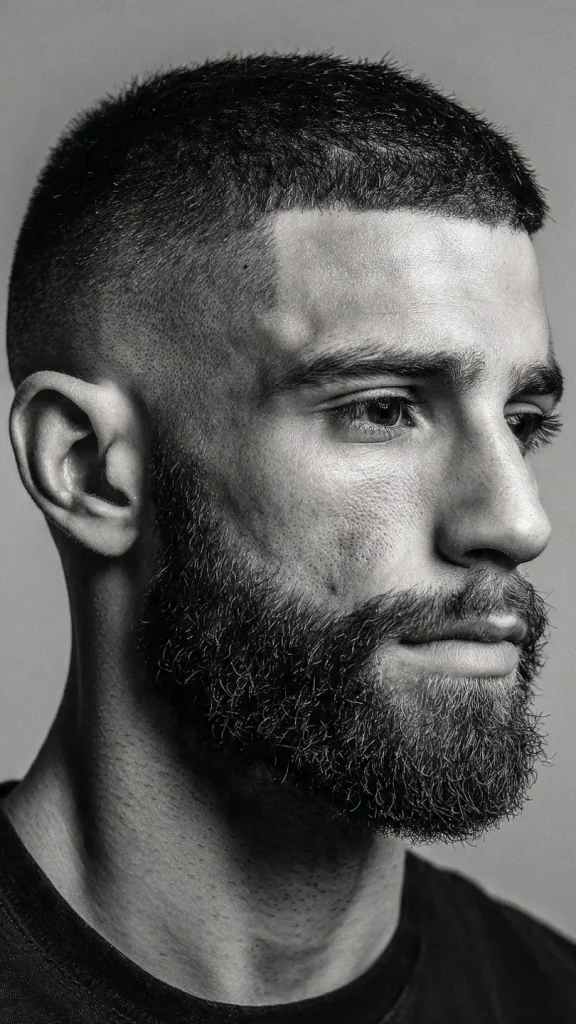
10. Burst Fade with Beard
The burst fade with beard radiates around the ear, creating a circular gradient effect. It introduces visual movement while maintaining structure.
This bold option suits men who want modern contrast. The blend into the beard must remain smooth to avoid breaking the silhouette.
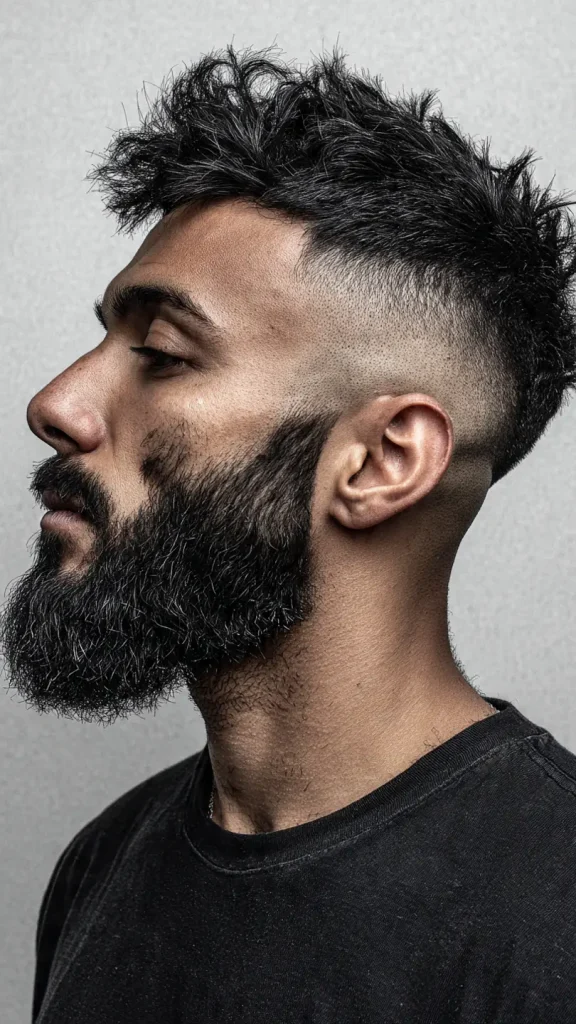
11. Bald Fade with Short Beard
The bald fade with short beard pairs tight skin exposure on the sides with compact facial hair below. The clean upper contrast amplifies jaw definition.
This is one of the sharpest beard fade styles for men who prefer short beard lengths. Consistent fade maintenance keeps the gradient crisp.
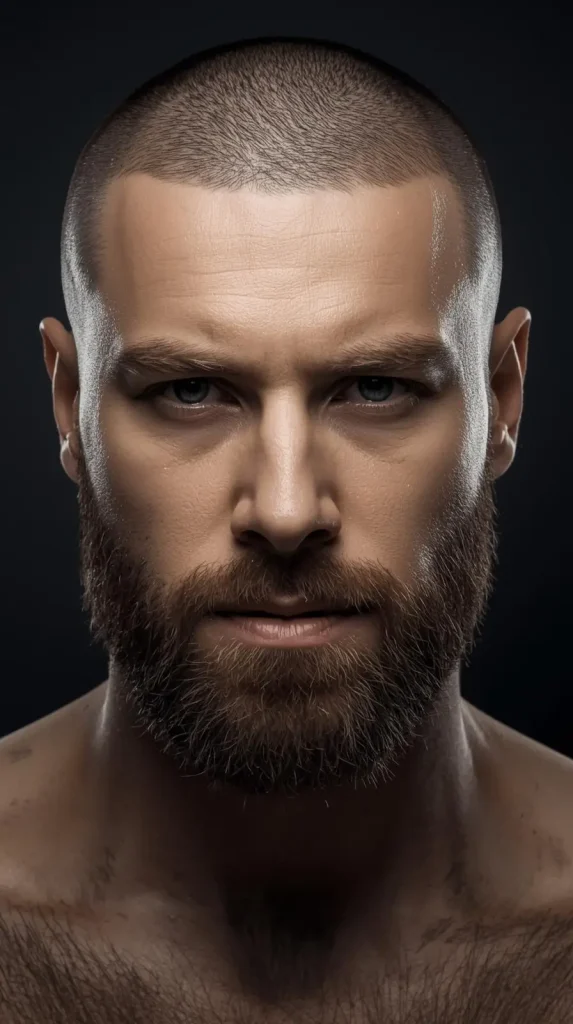
12. Faded Beard with Buzz Cut
Combining a faded beard with a buzz cut simplifies the top while emphasizing the blend. The minimal haircut allows the beard fade to stand out.
This pairing delivers clean, masculine structure. The fade must remain proportional to prevent overpowering the compact haircut.
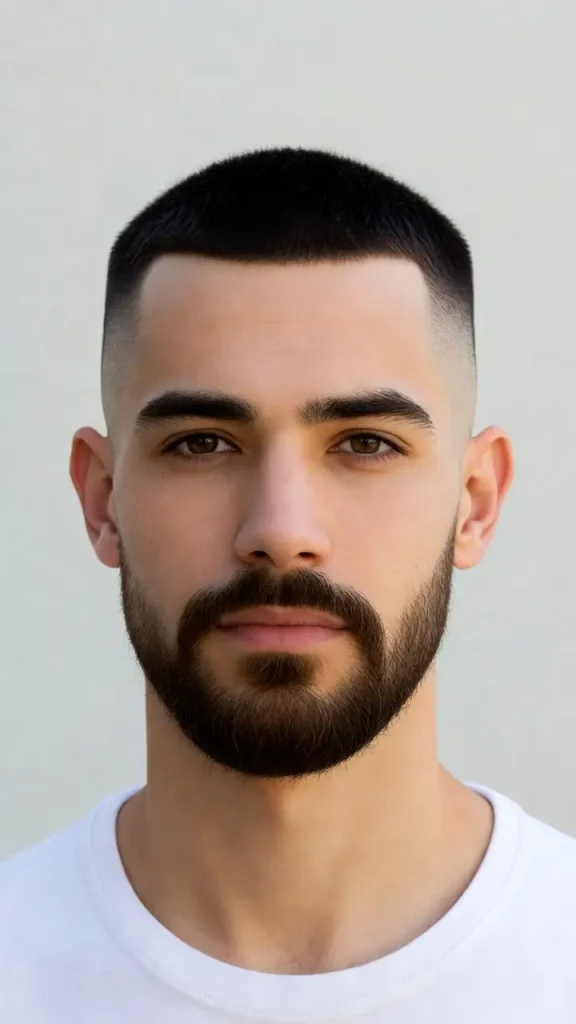
13. Faded Beard with Undercut
The faded beard with undercut creates dramatic separation between tight sides and fuller top hair. The beard fade bridges that contrast smoothly.
This style works best when the fade remains consistent and symmetrical. Clean transitions preserve balance between haircut and beard.
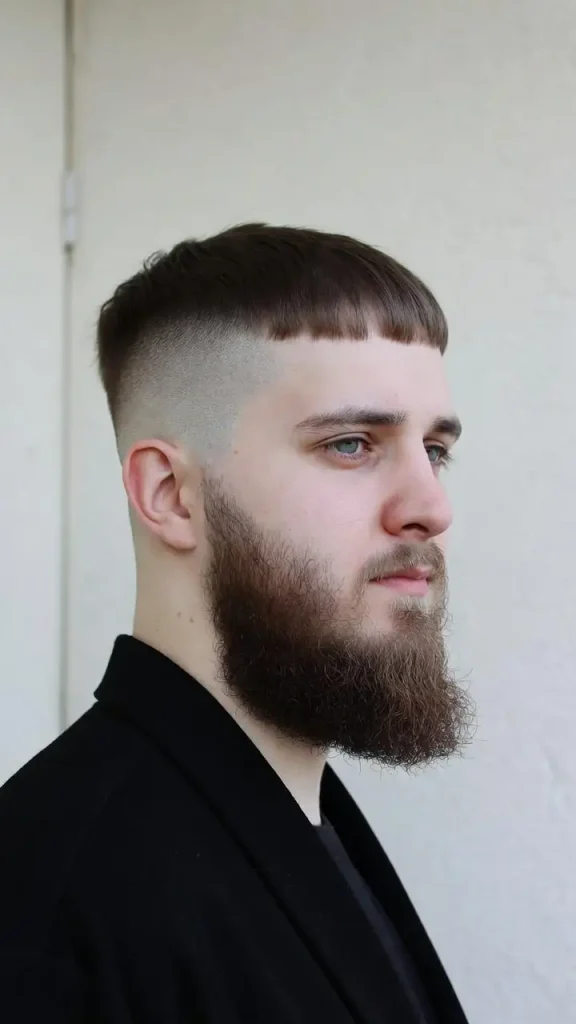
14. Faded Beard with Hard Part
The faded beard with hard part introduces a defined line in the haircut that complements the sharp gradient. The hard part enhances geometric precision.
Among beard fade styles, this variation offers structured contrast without increasing beard length. Accurate blending and crisp line work maintain a cohesive finish.
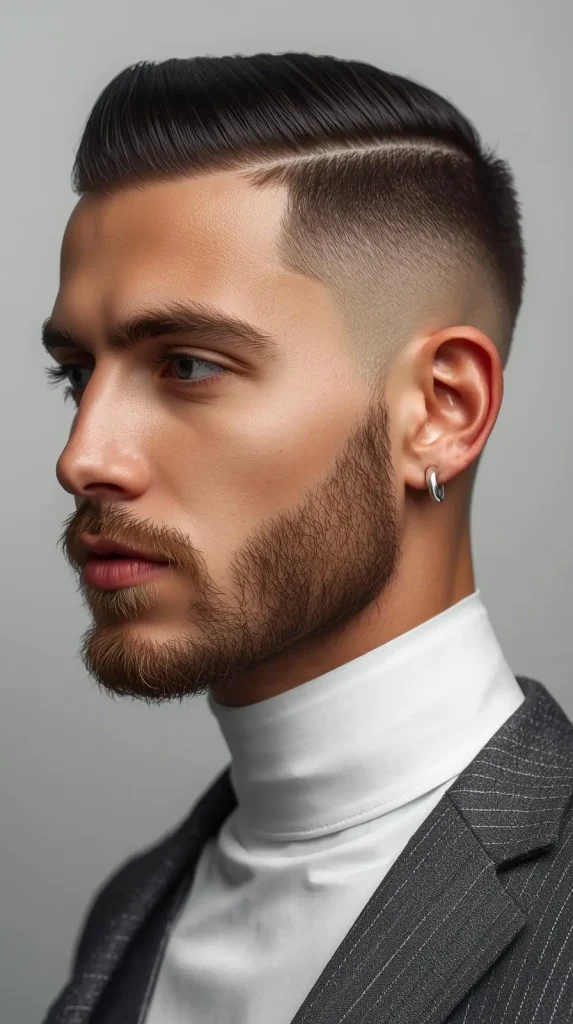
15. Corporate Fade Beard
The corporate fade beard keeps the gradient clean and moderate without extreme contrast. It avoids aggressive skin exposure while maintaining sharp structure.
Among beard fade styles, this variation is ideal for professional environments. A controlled mid or low fade beard paired with a compact length preserves polish and discipline.
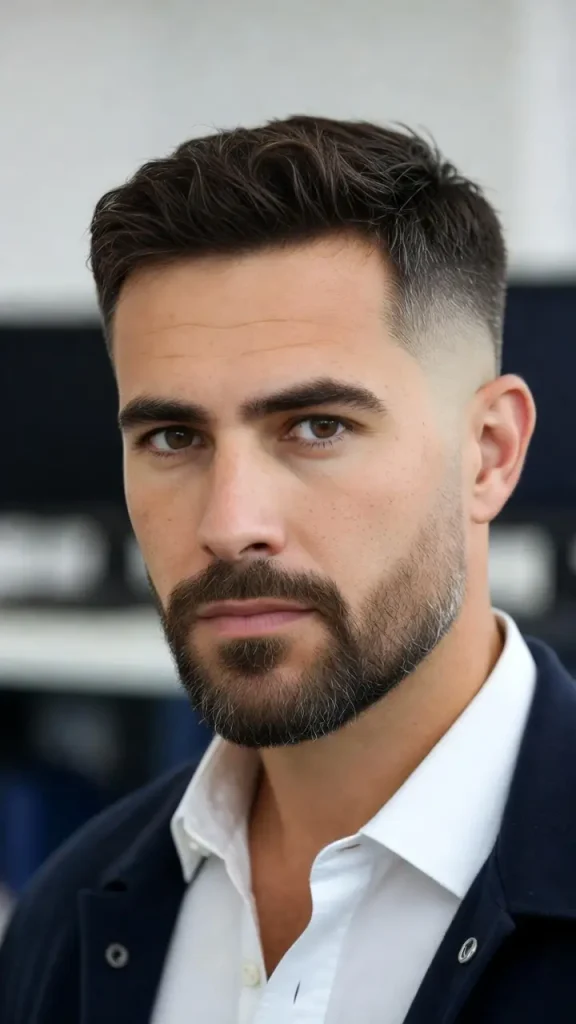
16. Beard Fade for Round Face
For round faces, the fade should create vertical emphasis without adding width. A mid or high fade helps slim the sides and sharpen the jaw.
Faded beard styles with tighter cheek control reduce facial fullness. The goal is to elongate the lower third while maintaining balanced density.
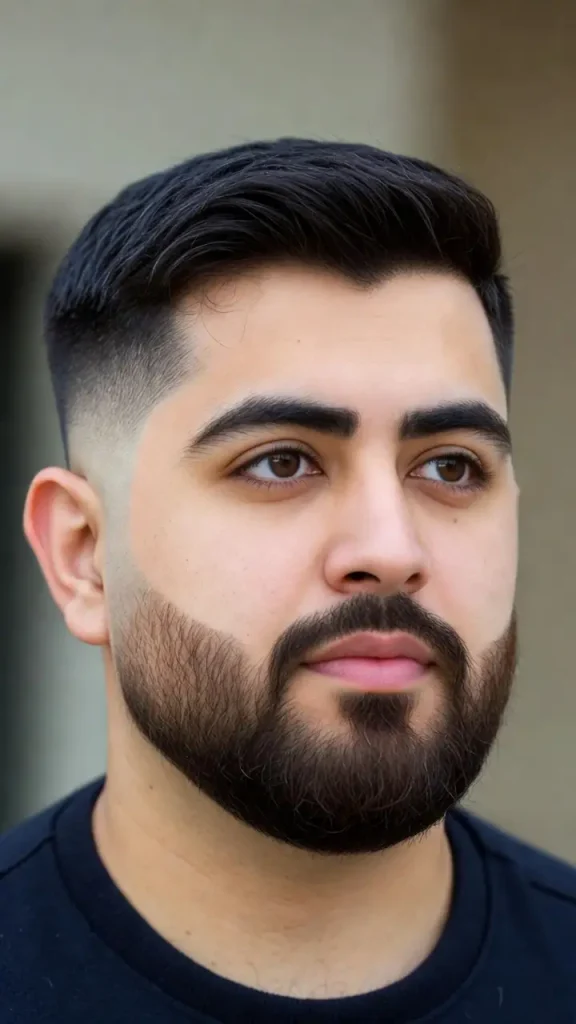
17. Beard Fade for Square Face
Square faces already have strong angles. The fade should complement structure rather than exaggerate width.
A low fade beard works especially well because it maintains side density while refining the transition. Balanced blending keeps the profile proportional.
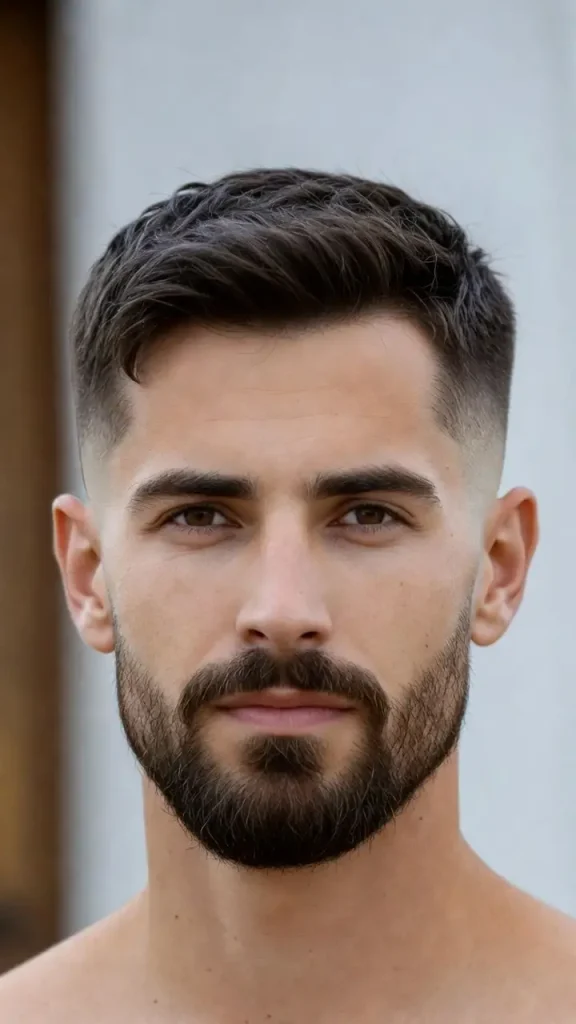
18. Beard Fade for Oval Face
Oval faces adapt easily to most beard fade styles. The objective is preserving symmetry rather than dramatic reshaping.
Low, mid, or taper fade beard options all work effectively. Consistent blending ensures the fade enhances natural balance.
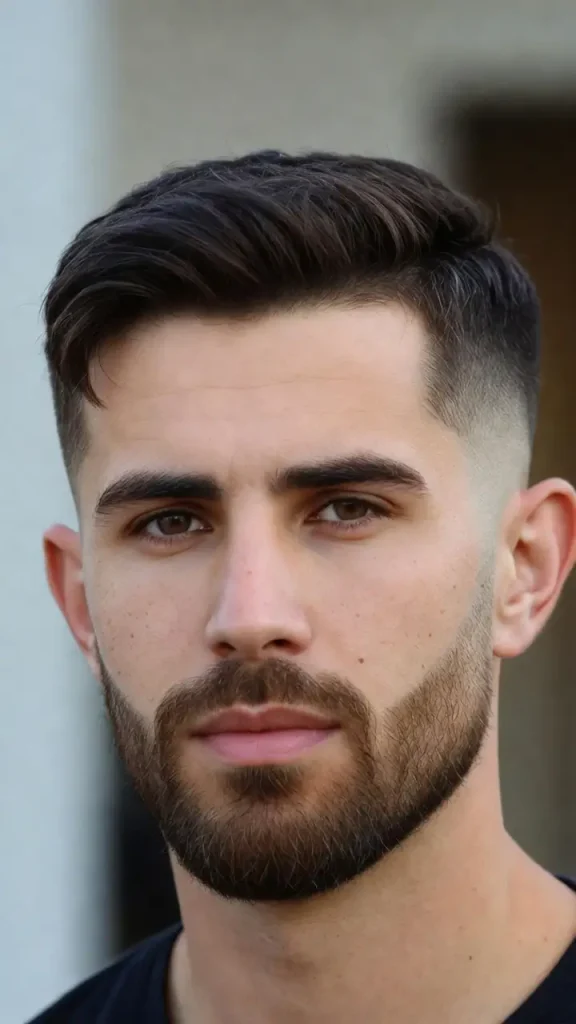
19. Beard Fade for Bald Men
For bald men, the beard fade becomes the primary architectural detail. Without hair on top, the gradient must anchor the sides cleanly.
Zero fade beard or taper fade beard variations work well in this scenario. The transition should remain tight to maintain sharp contrast against the shaved scalp.
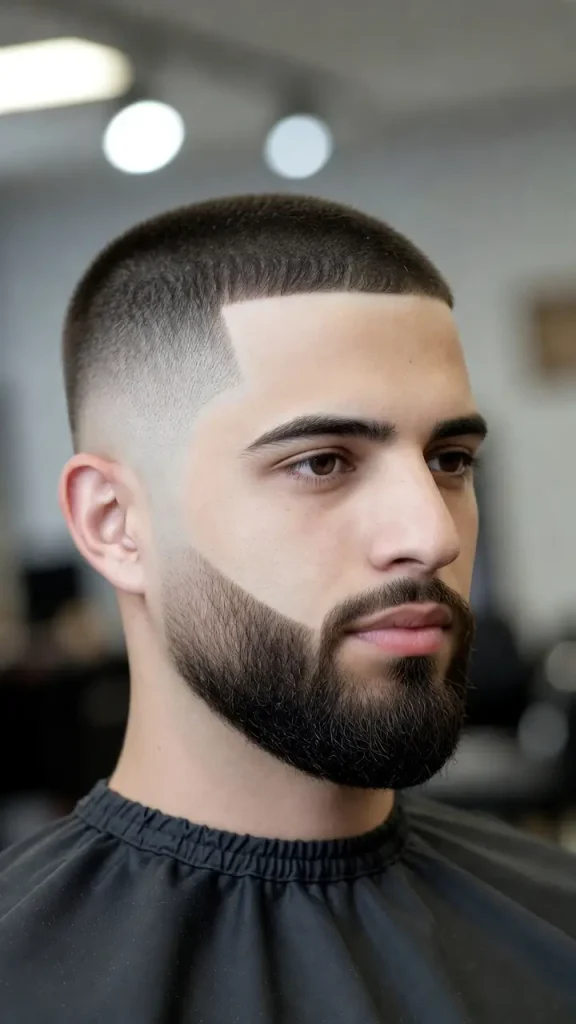
20. Textured Fade Beard
The textured fade beard embraces natural density while maintaining a structured gradient. It works especially well with coarse or curly hair types.
Among beard fade men prefer for added dimension, this style balances volume with precision. Controlled tapering prevents bulk near the temples.
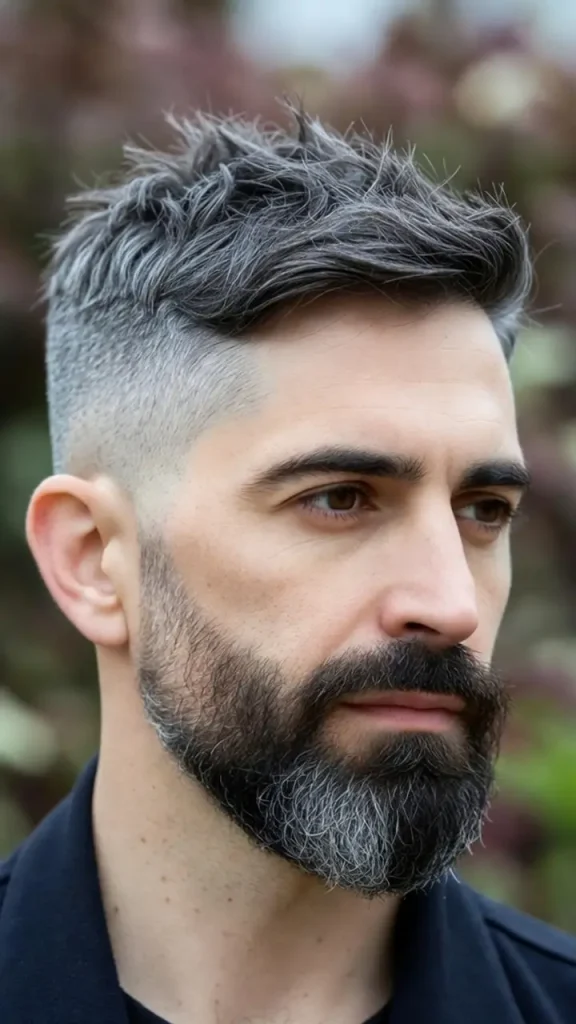
21. Thick Beard with Fade
A thick beard with fade pairs dense facial hair with a clean gradient at the sides. The fade reduces upper bulk while allowing the beard to dominate.
This combination creates strong masculine contrast. Precision blending ensures the transition into heavy density appears seamless.
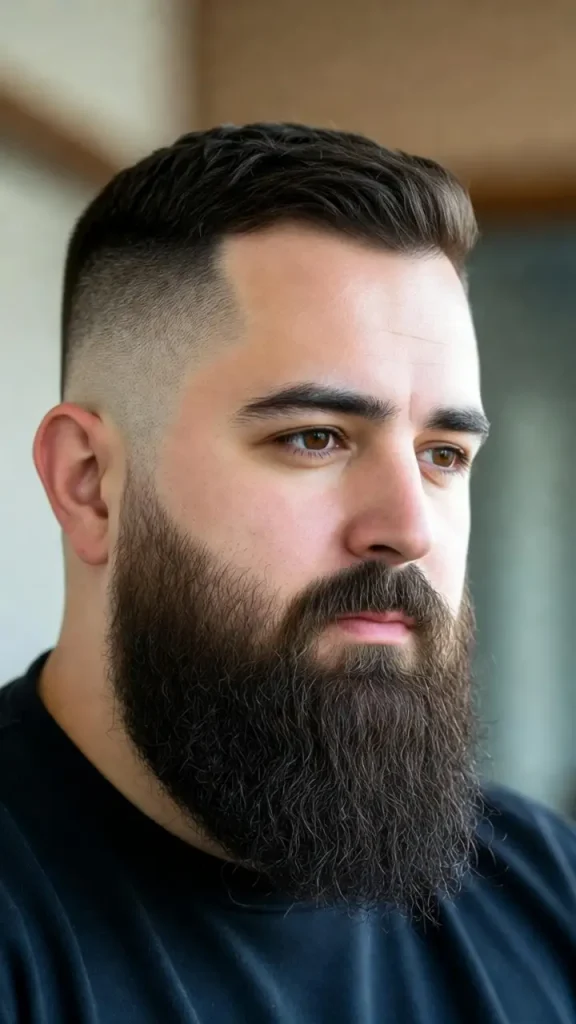
22. Clean Edge Fade Beard
The clean edge fade beard emphasizes crisp cheek lines and sharply defined temple transitions. Even subtle fades look powerful when edges are disciplined.
Among faded beard styles, this variation delivers maximum structure without extreme skin exposure. Detailing defines the silhouette.
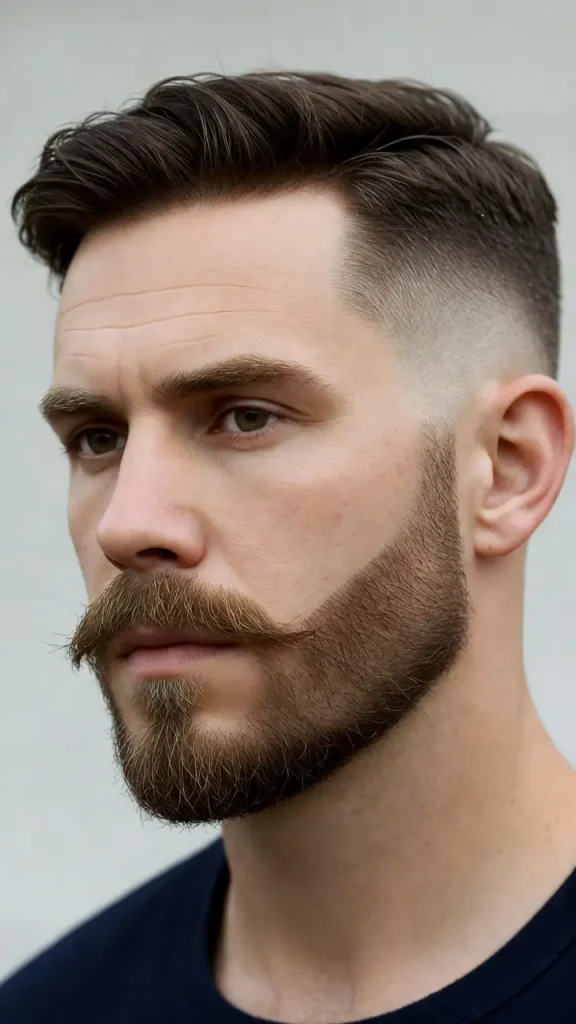
23. Modern Precision Fade Beard
The modern precision fade beard combines exact gradient control with symmetrical beard shaping. Every transition is deliberate and refined.
This is one of the most disciplined beard fade styles available. Consistent maintenance and sharp blending separate structured fades from uneven transitions.
How to Choose the Right Beard Fade Level
Beard fade styles are defined by where the gradient begins and how aggressively it transitions into the beard. Choosing the correct level determines whether the look feels subtle, bold, or ultra sharp. The fade must complement both face shape and beard length to maintain proportion.
Low vs Mid vs High Fade
A low fade beard starts near the ear and keeps most of the upper hair intact. It offers a subtle blend and works well with short and medium beard lengths.
A mid fade with beard raises the transition higher, creating noticeable contrast without overwhelming the profile. It balances structure and versatility.
A high fade beard removes significant bulk from the sides, allowing the beard to dominate. This option delivers stronger definition and sharper silhouette but requires precise blending.
When to Choose Zero Fade
A zero fade beard or 0 fade with beard creates the tightest transition. It starts at skin or near skin level and blends upward into density.
Choose this level when you want maximum contrast and crisp edge definition. It works especially well with short beard lengths and strong jawlines.
Professional Settings Strategy
In professional environments, low fade beard or mid fade with beard options are typically safest. They provide clean structure without extreme contrast.
Corporate beard fade styles should emphasize symmetry and controlled blending. Moderate gradients maintain polish while still delivering sharp definition.
Beard Fade Maintenance and Blend Control
Beard fade styles demand tighter upkeep than standard beard cuts. Because the gradient is the focal point, even a few days of overgrowth can blur the transition and weaken the silhouette. Consistent touch ups and precision detailing keep faded beard styles sharp and proportional.
Fade Touch Up Schedule
Low and mid fade beard variations typically need touch ups every one to two weeks depending on growth speed.
High, zero fade beard, and 0 fade with beard styles require more frequent maintenance, often every five to seven days, to preserve clean skin contrast. Following a structured taper fade maintenance guide ensures the blend remains crisp and symmetrical.
Sideburn and Temple Precision
The sideburn area is the bridge between haircut and beard. Uneven blending here disrupts the entire gradient.
Precise trimming along the temple and upper beard line maintains smooth transition. Clean symmetry on both sides separates professional beard fade men request from rushed blends.
Tool Essentials
Maintaining sharp gradients requires accurate tools. Adjustable clippers and detail trimmers allow controlled transitions between guard lengths.
Professional barber tools for fades improve precision when tightening temple areas and refining the blend. Clean blades and consistent guard progression protect gradient integrity.
Moisture and Beard Balance
A sharp fade loses impact if the beard itself appears dry or uneven. Proper hydration keeps density smooth and manageable.
Light beard oil helps maintain shine without weighing down shorter faded beard styles. Balanced grooming ensures the gradient and the beard work together as one cohesive design.