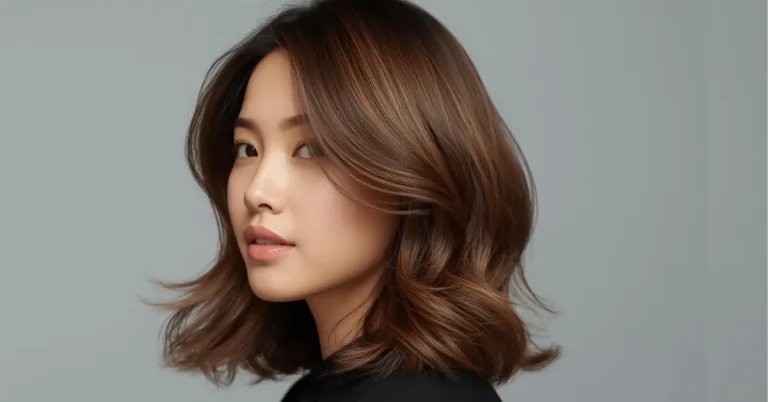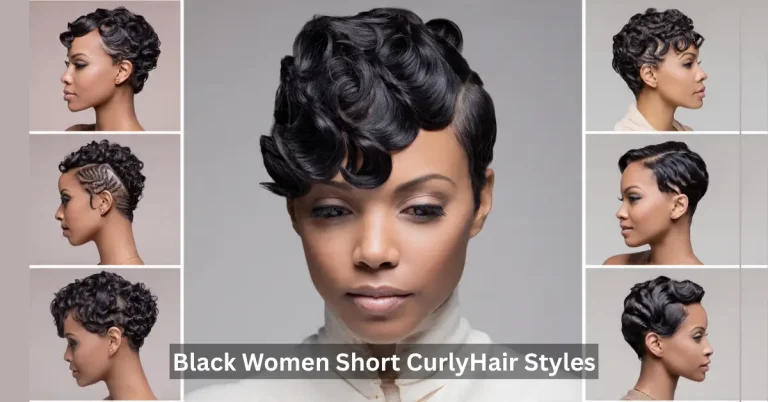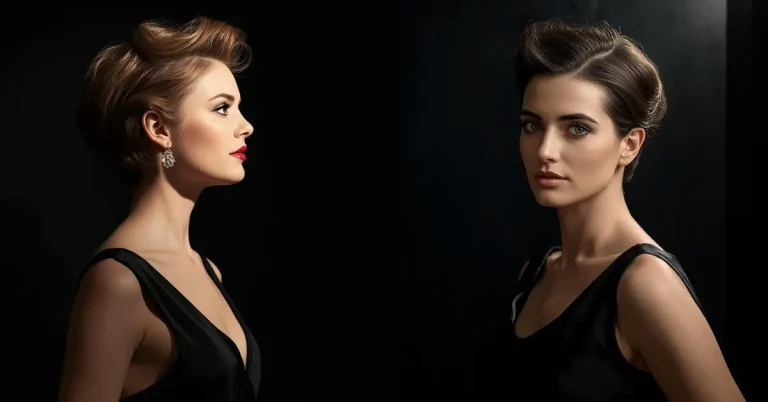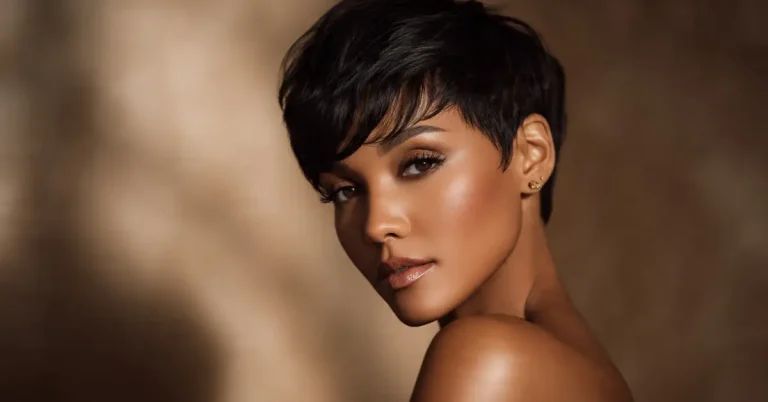

27 Short Haircuts for Women Wolf Cut That Add Volume and Shape Instantly
The short haircuts for women wolf cut category is not about trend replication, it is about controlled chaos built through intentional layering, weight removal, and crown-driven volume. A properly executed wolf cut on short hair reshapes density distribution, allowing movement at the top while preserving structure through the perimeter.
The result is a haircut that balances edge with control, making it adaptable across straight, wavy, and curly textures while maintaining strong facial framing.
Understanding the Structure of Short Haircuts for Women Wolf Cut
The short haircuts for women wolf cut rely on intentional imbalance, where the crown carries volume while the lower sections are strategically collapsed to avoid bulk. This is not random layering. It is a controlled removal of weight that builds vertical lift, separation, and directional movement. The structure must guide the eye upward while maintaining a soft perimeter that does not appear disconnected.
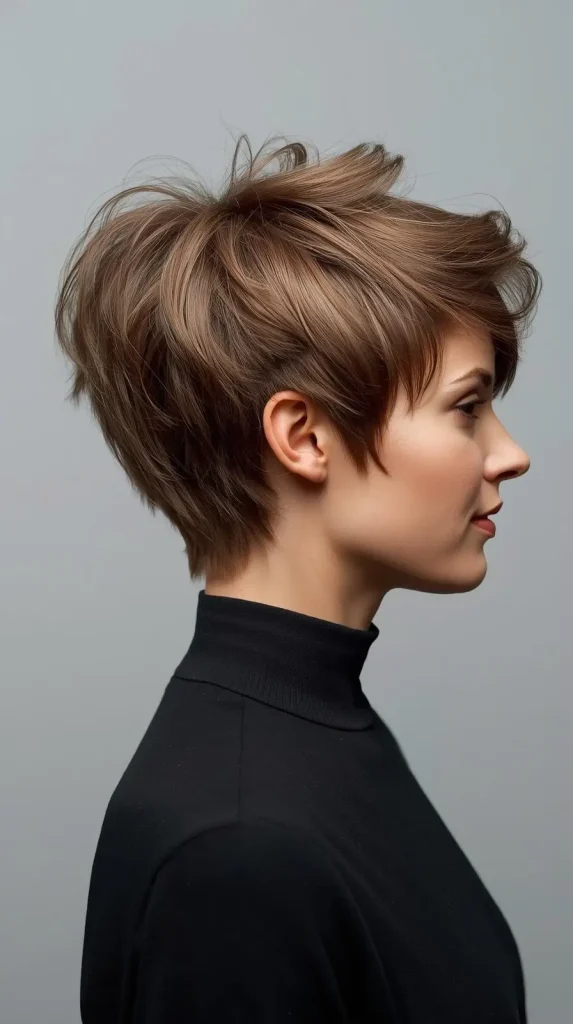
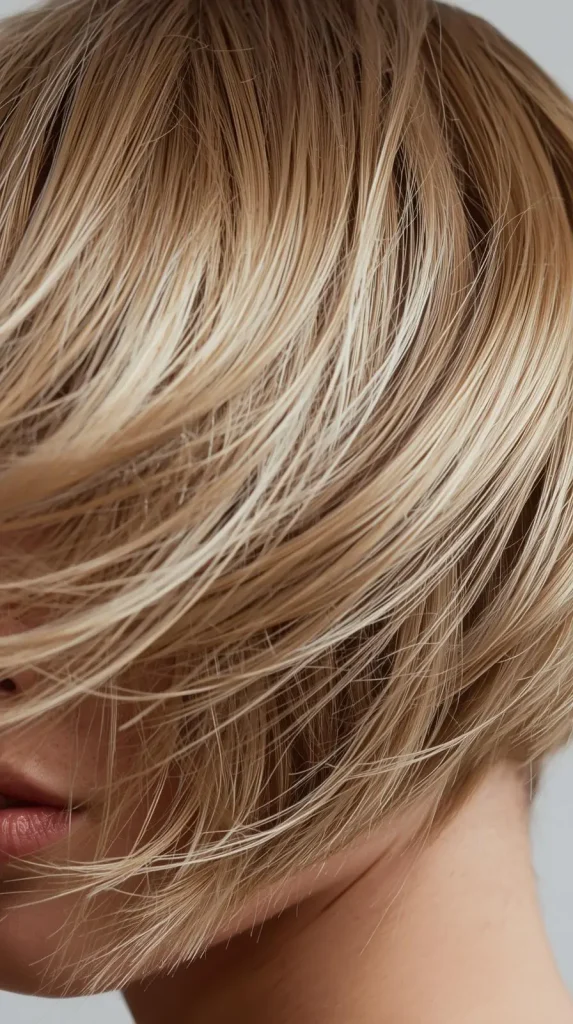
At its core, the wolf cut on short hair blends two opposing mechanics: shag-style layering and mullet-inspired distribution. The crown is aggressively layered to create expansion, while the mid-lengths are diffused to prevent heaviness. This is why understanding volume placement becomes critical. If the crown is under-layered, the cut falls flat. If the ends are over-texturized, the shape loses integrity.
For styling, a lightweight texturizing product such as TIGI Bed Head Manipulator Matte Cream helps separate layers at the crown while keeping the ends soft and touchable, reinforcing the intended shape without stiffness.

How Layering Controls Volume in Short Wolf Cuts
Layering in the short haircuts for women wolf cut is not applied evenly. It is engineered to shift weight upward while breaking density below the occipital bone. The goal is to create lift at the crown and controlled collapse through the ends, allowing the haircut to hold shape without appearing bulky or flat. Every layer must serve a direction, either to expand, separate, or soften.
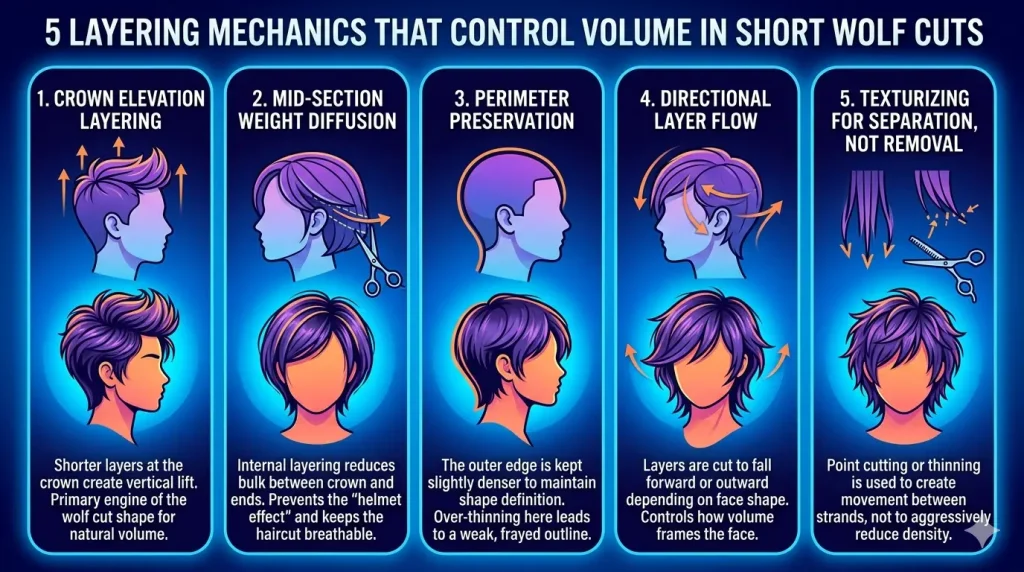
5 Layering Mechanics That Control Volume in Short Wolf Cuts
- Crown Elevation Layering
Shorter layers at the crown create vertical lift. This is the primary engine of the wolf cut shape, allowing natural volume without excessive styling. - Mid-Section Weight Diffusion
Internal layering reduces bulk between crown and ends. This prevents the “helmet effect” and keeps the haircut breathable. - Perimeter Preservation
The outer edge is kept slightly denser to maintain shape definition. Over-thinning here leads to a weak, frayed outline. - Directional Layer Flow
Layers are cut to fall forward or outward depending on face shape. This controls how volume frames the face rather than just sitting on top. - Texturizing for Separation, Not Removal
Point cutting or thinning is used to create movement between strands, not to aggressively reduce density.
Face Shape Alignment for Short Haircuts for Women Wolf Cut
The short haircuts for women wolf cut must be adjusted based on facial geometry, not just hair texture. The layering pattern, fringe placement, and crown height all work together to either elongate, widen, or soften facial proportions. Without alignment to face shape, the wolf cut loses its structural purpose and becomes visually unbalanced.
For a deeper understanding of how facial proportions influence haircut decisions, refer to medium haircuts for women where shape control and length distribution are analyzed across different face types.
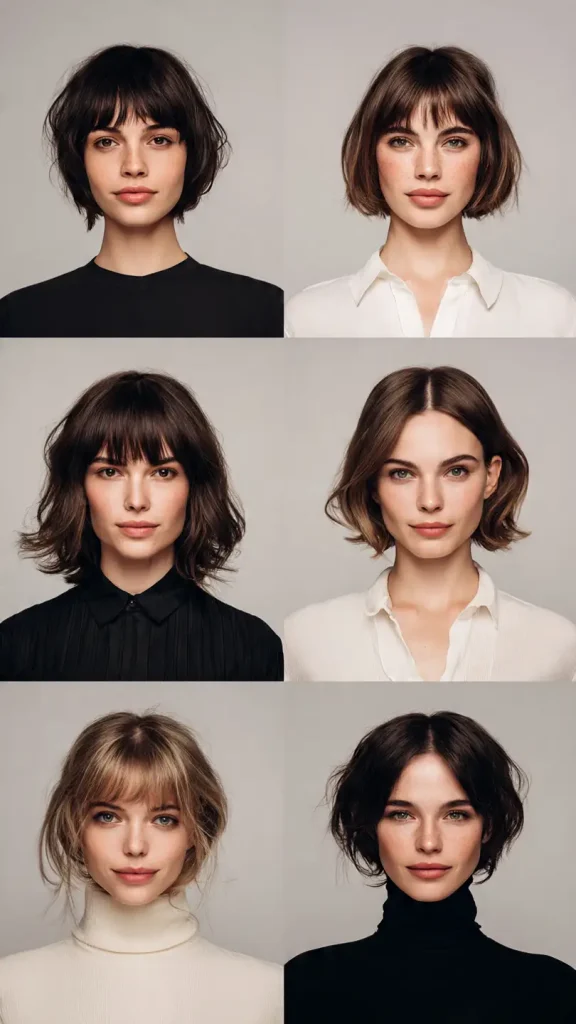
5 Face Shape Adjustments for Short Wolf Cuts
- Round Face → Vertical Expansion Focus
Increase crown height and keep side layers tighter to elongate the face. Avoid wide, heavy sides that exaggerate roundness. - Oval Face → Balanced Layer Distribution
Maintain even layering across crown and sides. This face shape allows flexibility, but over-layering can distort natural symmetry. - Square Face → Soft Edge Diffusion
Use feathered layers and softer fringe to break sharp jawlines. Avoid blunt ends that reinforce angular structure. - Heart Face → Lower Volume Compensation
Reduce crown dominance slightly and add weight near the jawline to balance a wider forehead. - Long Face → Controlled Crown Height
Minimize excessive lift at the top and introduce fuller side layers to prevent further elongation.
To maintain precise alignment during styling, a round brush like the Osensia Professional Round Brush for Blow Drying helps direct airflow and shape layers according to facial structure, allowing controlled volume placement where it is actually needed.

27 Short Haircuts for Women Wolf Cut Variations
The short haircuts for women wolf cut category expands through controlled variations in layering depth, fringe design, and perimeter structure. Each variation shifts how volume is distributed and how the face is framed, allowing the same core haircut to adapt across different densities, textures, and styling preferences.
For additional structural reference on short haircut shaping and layering behavior, explore short haircuts for women with thin hair where density control is broken down in detail. If you want to understand how modern short styles evolve through layering techniques, butterfly haircut for medium hair provides insight into advanced layering flow that directly influences wolf cut variations.
1. Classic Short Wolf Cut with Balanced Layers
This variation maintains equal distribution between crown lift and perimeter weight. The layers are neither overly aggressive nor too soft, making it the most structurally stable version. It works across most hair types because it does not rely on extreme contrast.
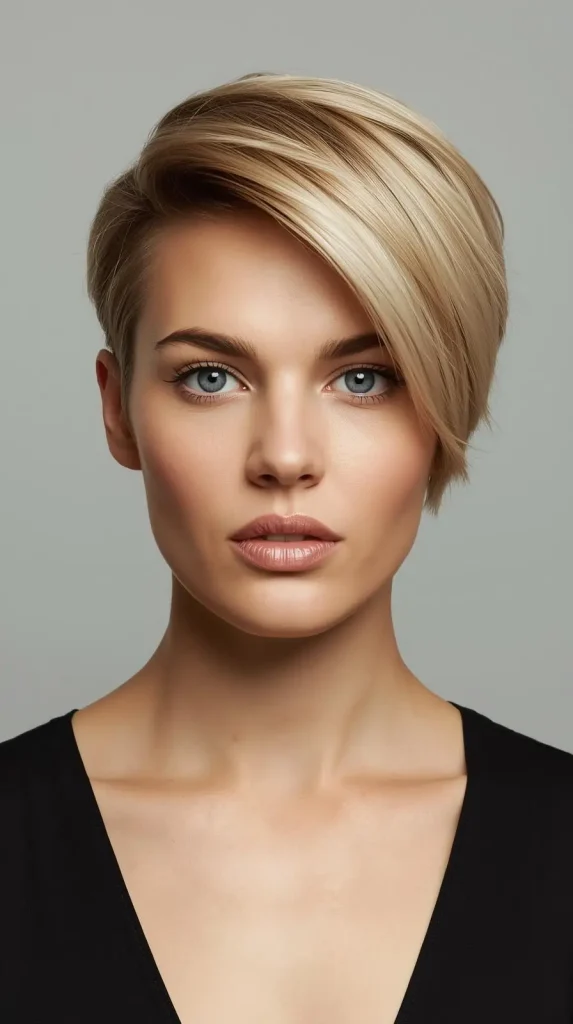
2. Short Wolf Cut Bob with Structured Ends
Here, the perimeter is tighter and more defined, similar to a bob foundation, while the crown retains layered movement. This creates a cleaner outline with controlled volume on top, ideal for those who want shape without excessive texture.
3. Very Short Wolf Cut with High Crown Volume
The sides and back are kept compact while the crown is heavily layered. This exaggerates vertical lift and creates a sharper silhouette. Precision cutting tools like the ULG Professional Hair Thinning Scissors are essential here to remove bulk without collapsing the shape.
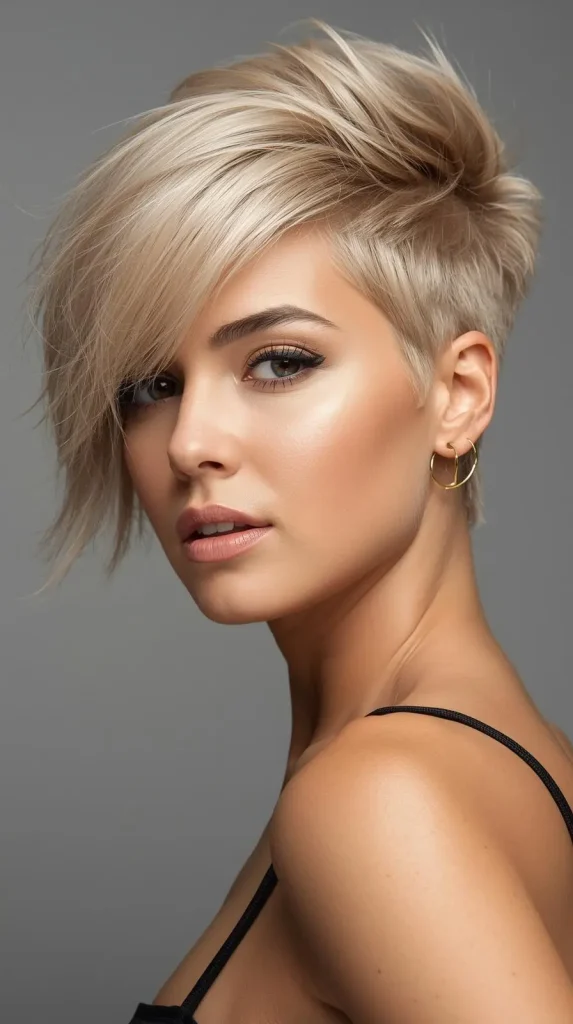

4. Short Wolf Cut with Soft Curtain Bangs
Curtain bangs blend into the side layers, softening the front profile while maintaining movement. This variation is ideal for adding facial framing without creating a heavy fringe line.
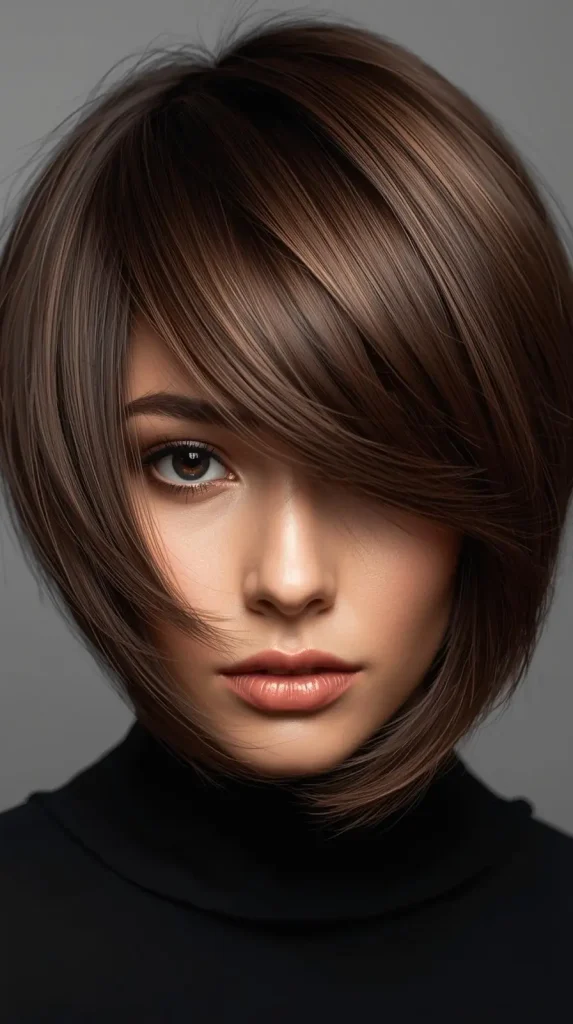
5. Short Wolf Cut Without Bangs for Clean Forehead Exposure
Removing the fringe shifts full attention to the layering structure. The crown and sides must be perfectly balanced since there is no front element to hide inconsistencies.
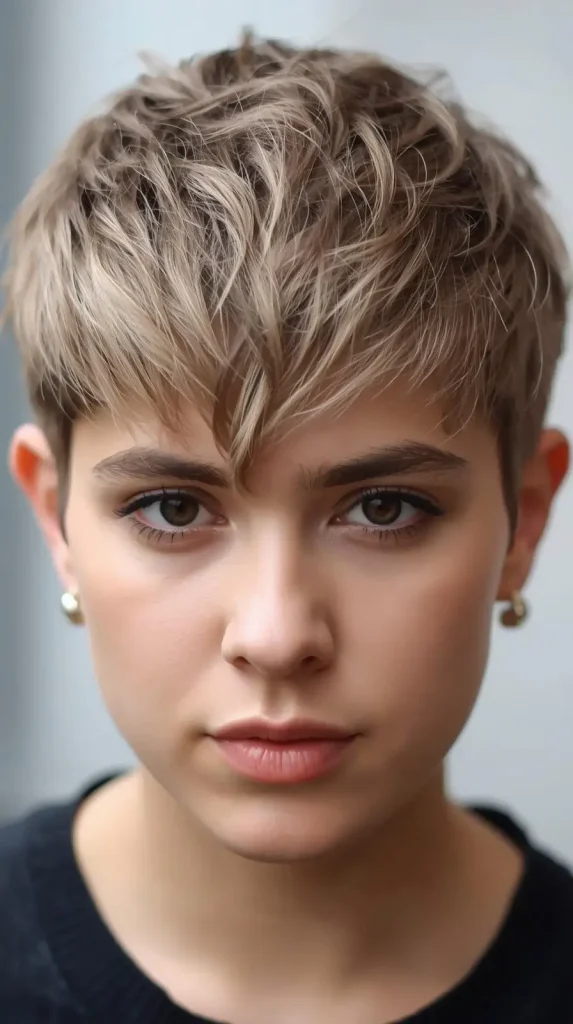
6. Curly Short Wolf Cut with Controlled Bulk Removal
Curly textures require internal debulking rather than surface layering. The goal is to maintain curl definition while preventing pyramid-shaped expansion. A diffuser-friendly styling product like the DevaCurl Super Cream Ultra-Rich Moisturizing Definer Styler helps define curls while keeping the layered structure intact without frizz or stiffness.
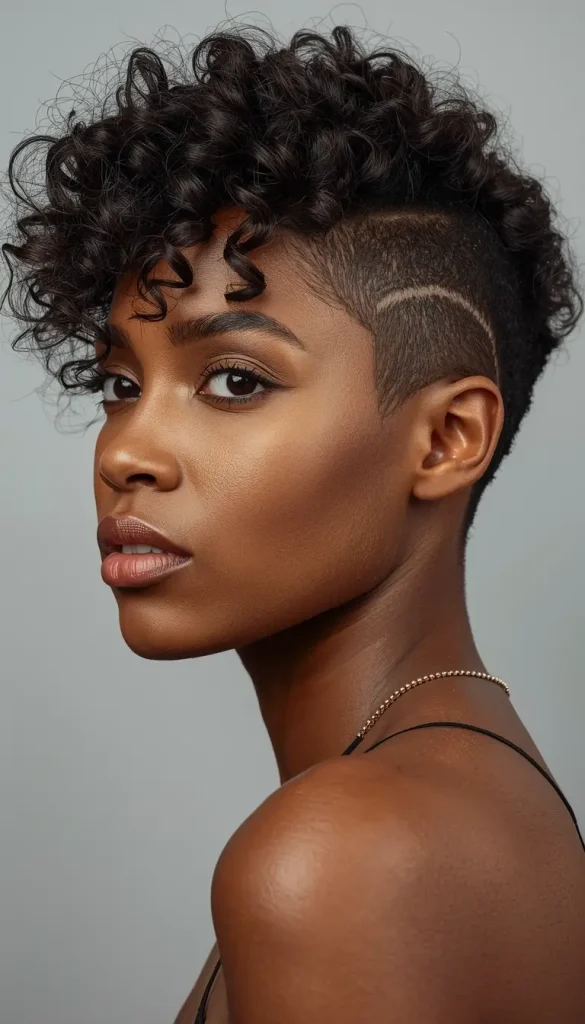

7. Wavy Short Wolf Cut with Natural Flow
This variation uses the natural wave pattern to enhance movement between layers. The structure relies on soft, staggered layering that allows waves to expand without creating bulk pockets. The crown is lightly elevated while mid-lengths remain fluid.

8. Straight Hair Short Wolf Cut with Sharp Layer Definition
On straight hair, layering must be more precise because there is no natural texture to hide inconsistencies. Clean, sharp layers create visible separation, making the haircut look intentional rather than flat.
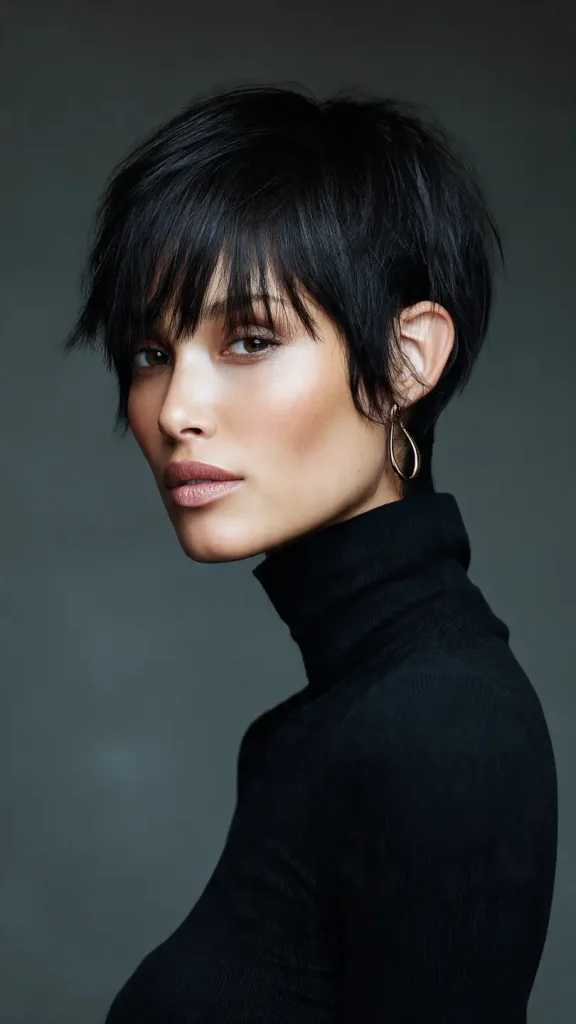
9. Korean Wolf Cut Short Hair with Soft Feathering
This version focuses on lightweight, airy layering with softened edges. The transition between crown and ends is blended to avoid harsh disconnection, creating a more refined and wearable silhouette.
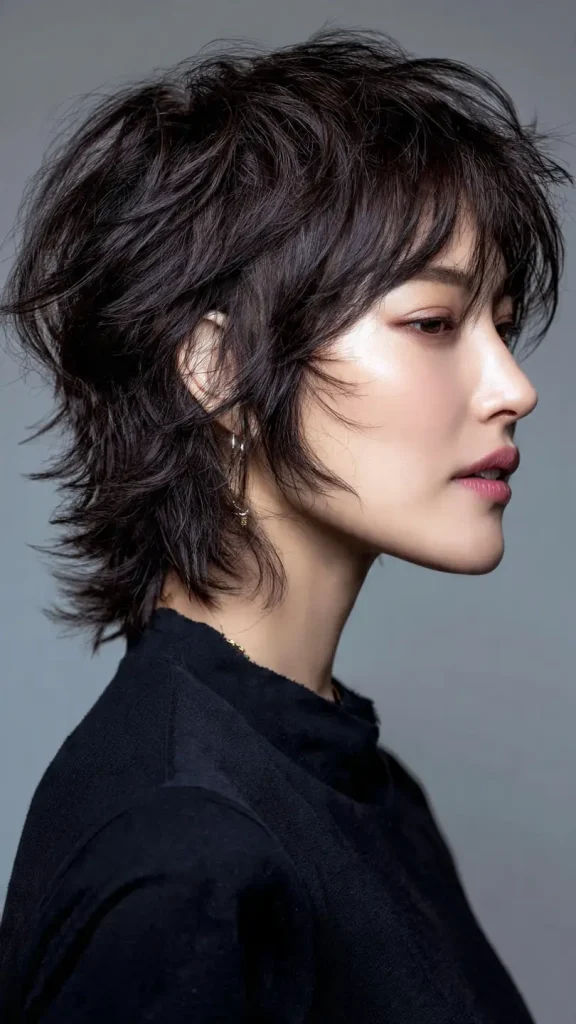
10. Blonde Short Wolf Cut with Dimension Contrast
Color plays a structural role here. Blonde tones highlight layering contrast, making depth and separation more visible. The layering must be clean because light shades expose every detail of the cut.
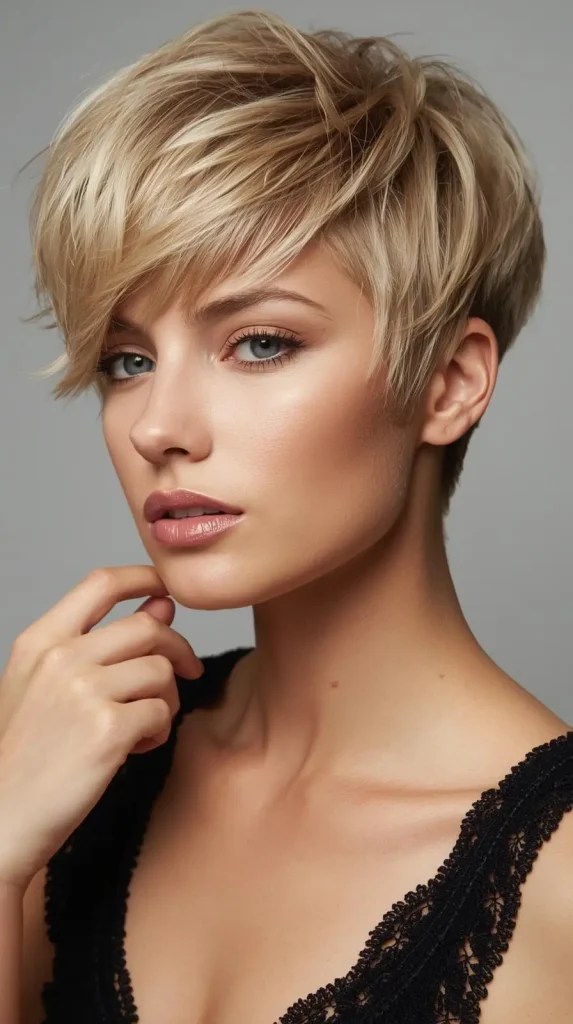
11. Short Wolf Cut for Thin Hair with Density Illusion
The goal is to simulate fullness without removing too much weight. Layers are placed strategically at the crown while keeping the perimeter slightly denser to avoid a hollow appearance.
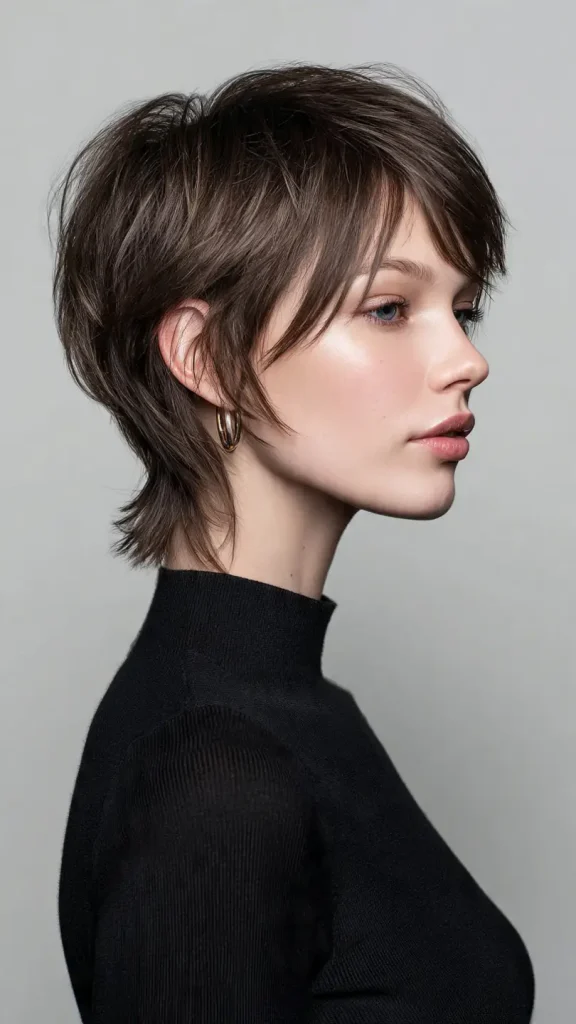
For deeper insight into managing low-density hair structure, refer to short haircuts for women with thin hair where volume illusion techniques are explained in detail.
12. Short Wolf Cut for Thick Hair with Debulking Layers
Thick hair requires internal weight removal to prevent excessive expansion. Thinning and point cutting are applied underneath the surface layers to reduce bulk while maintaining the outer shape.
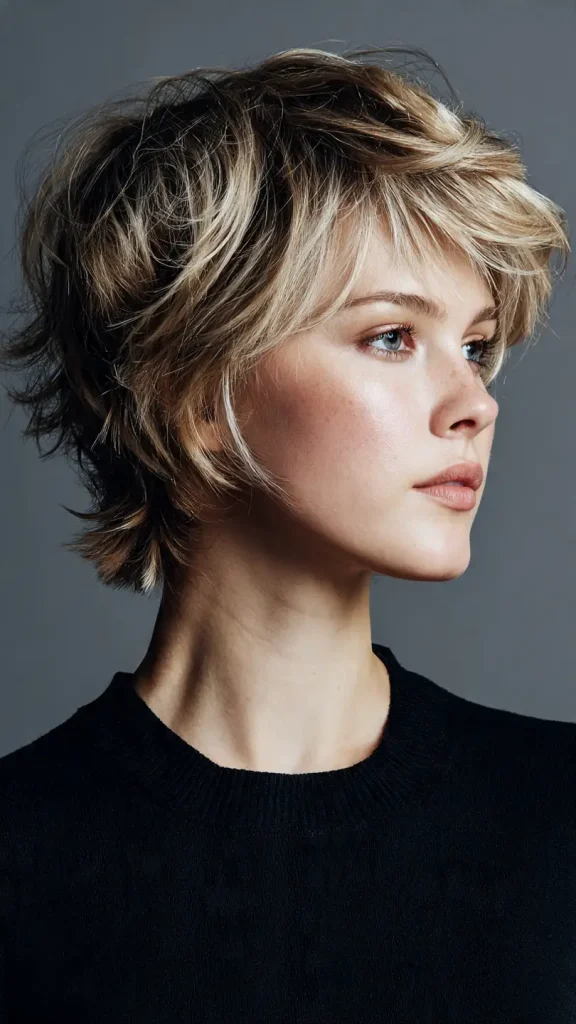
13. Shoulder-Length Short Wolf Cut with Extended Shape
This variation stretches the wolf cut slightly longer while keeping short-layer dynamics at the crown. It offers more versatility while still maintaining the signature layered structure.

14. Short Wolf Cut with Micro Layers for Texture Build
Micro layers are used to create fine separation across the surface. This technique builds texture without dramatically changing the overall length or silhouette.
15. Short Wolf Cut with Heavy Fringe Control
A heavier fringe shifts visual weight to the front. The crown layering must be adjusted to balance this, ensuring the haircut does not feel front-heavy or compressed at the top.
To understand how fringe and layering interact structurally, explore side swept bangs medium hair which breaks down front-section control and blending techniques. For broader layering mechanics that influence movement and styling behavior, messy short hair women guide provides additional structural context.
16. Short Wolf Cut Indian Style with Face-Framing Focus
This variation prioritizes front-section detailing to complement facial features while maintaining layered movement at the crown. The face-framing pieces are cut with precision to follow cheekbone and jawline contours, creating a structured yet soft outline that works well with naturally dense hair types.
17. Short Wolf Cut with Tapered Ends
The ends are subtly narrowed to avoid bulk accumulation at the perimeter. This tapering effect allows the crown volume to stand out while the lower section collapses cleanly, creating a sharper silhouette without heaviness.
18. Short Wolf Cut with Choppy Crown Separation
Here, the crown is aggressively textured to create visible separation between layers. This builds a more rugged, high-movement top section, making the haircut appear dynamic even without heavy styling.
19. Medium Short Wolf Cut with Balanced Weight Distribution
This version sits between short and mid-length, maintaining enough length to stabilize the structure while still allowing crown-driven volume. The layering is evenly distributed to prevent either top-heavy or bottom-heavy imbalance.
20. Short Wolf Cut for Round Face with Vertical Emphasis
The layering is designed to elongate the face by increasing height at the crown and reducing width at the sides. Side layers are kept tighter, while vertical movement is enhanced to create a more defined and lengthened appearance.
21. Short Wolf Cut with Layered Volume Expansion
This variation pushes layering higher into the crown to maximize lift and spread. The layers are stacked in a way that allows expansion outward and upward, creating a fuller silhouette without adding density at the ends.
22. Short Wolf Cut with Subtle Undercut Effect
A hidden undercut removes internal bulk beneath the top layers, allowing the crown to sit lighter and more elevated. This technique is especially effective for thick hair where traditional layering alone cannot control volume.
23. Short Wolf Cut with Razor Texture Finish
A razor is used to soften edges and create fine separation between strands. This produces a lived-in texture where layers blend seamlessly while still maintaining visible movement.
24. Short Wolf Cut with Soft Edge Blending
Instead of sharp disconnection, this version focuses on smooth transitions between layers. The result is a more refined shape where volume flows naturally from crown to ends without abrupt breaks.
25. Short Wolf Cut with High Movement Top Layers
The top layers are cut shorter and lighter to encourage constant motion. This creates a dynamic crown that responds easily to minimal styling, giving the haircut a naturally active appearance.
26. Short Wolf Cut with Structured Perimeter Control
The outer edge is kept defined to anchor the haircut. While the crown remains layered and airy, the perimeter provides stability, ensuring the overall shape does not appear scattered or unfinished.
27. 360 View Short Wolf Cut with Full Shape Visibility
This variation is built for consistency from every angle. The layering, tapering, and perimeter are balanced so the haircut maintains its structure whether viewed from the front, sides, or back, ensuring complete visual coherence.
Styling Mechanics for Short Haircuts for Women Wolf Cut
Styling the short haircuts for women wolf cut is about reinforcing the built-in structure rather than overpowering it with product. The objective is to activate crown lift, maintain layer separation, and keep the perimeter controlled without flattening the movement. Every styling step should follow the direction of the layers, not fight against them.
For a deeper understanding of how styling direction impacts overall haircut behavior, refer to taper fade styling techniques where movement control and flow mechanics are explained in a structural context.
Styling Control Reference for Short Wolf Cuts
| Area of Hair | Styling Objective | Technique Applied | Result Achieved |
|---|---|---|---|
| Crown | Volume activation | Lift while blow-drying with airflow upward | Elevated, airy top section |
| Mid-Lengths | Layer separation | Use fingers to break sections apart | Defined movement without stiffness |
| Fringe / Front | Directional framing | Blow-dry forward or curtain-style split | Face-shaping control |
| Ends / Perimeter | Soft structure retention | Minimal product, avoid overworking | Clean, natural finish |
| Overall Shape | Balance and flow | Style in direction of layers | Cohesive, controlled silhouette |
To support this structure during styling, a lightweight texture-enhancing product like the TIGI Bed Head Small Talk Thickening Cream helps build volume at the crown while maintaining flexibility through the layers, ensuring the haircut retains movement without collapsing.

Maintenance Strategy for Layer Integrity and Shape Retention
Maintaining the short haircuts for women wolf cut is about preserving the original layering intention. As the hair grows, the crown loses lift, the mid-section gains weight, and the perimeter starts to blur. Without a controlled maintenance cycle, the structure shifts from defined movement to uneven bulk.
For a broader understanding of how short hair structures evolve over time and how to maintain them effectively, refer to messy short hair women guide where upkeep strategies are aligned with layered haircut behavior.
From a practical standpoint, maintenance is not just about trimming length. It involves selective refinement of layers, controlled debulking, and consistent styling support to keep the haircut functioning as designed. A nourishing product such as the Moroccanoil Treatment Light maintains smoothness and prevents frizz from disrupting layer definition.

Maintenance Strategy Summary for Short Wolf Cuts
| Maintenance Area | Action Required | Frequency | Result Achieved |
|---|---|---|---|
| Crown Layers | Re-layering to restore lift | Every 4–6 weeks | Maintains volume and height |
| Mid-Length Control | Internal thinning to reduce bulk | Every 6–8 weeks | Prevents heaviness and shape collapse |
| Fringe Adjustment | Trim and reshape front sections | Every 3–4 weeks | Keeps face framing sharp |
| Perimeter Cleanup | Light trimming for edge definition | Every 6–8 weeks | Preserves clean outline |
| Styling Support | Use lightweight products consistently | Daily | Sustains movement and separation |
15 Common Mistakes That Break Wolf Cut Structure on Short Hair
The short haircuts for women wolf cut depend on balance between crown lift, internal weight removal, and perimeter control. When one of these elements is mismanaged, the entire structure collapses. Most issues are not caused by the haircut itself, but by incorrect layering decisions, poor maintenance, or improper styling habits.
For additional structural awareness of how short styles lose shape over time, review short haircuts for women over 60 where shape preservation is critical. To understand how different short haircut variations behave under styling and maintenance, short hair styles for wedding guest provides insight into controlled finishing and structure retention.
15 Mistakes and Fixes
- Over-Layering the Crown
Fix: Reduce layer intensity and rebuild controlled stacking to avoid excessive lift. - Ignoring Mid-Length Bulk
Fix: Apply internal thinning to remove hidden weight without affecting outer shape. - Over-Thinning the Ends
Fix: Rebuild perimeter density to restore structure and avoid frayed edges. - Flat Blow-Drying Technique
Fix: Direct airflow upward at the crown to reactivate volume. - Using Heavy Styling Products
Fix: Switch to lightweight formulas that support movement instead of compressing layers. - Uneven Fringe Integration
Fix: Reconnect fringe with side layers using soft blending techniques. - Skipping Regular Trims
Fix: Maintain a 4–6 week trimming cycle to preserve layering accuracy. - Cutting Layers Too Uniformly
Fix: Introduce varied layer lengths to create dimension and separation. - Ignoring Face Shape Alignment
Fix: Adjust layer direction and fringe placement based on facial geometry. - Overusing Heat Without Direction
Fix: Style following the natural fall of layers instead of random heat application. - Neglecting Crown Volume During Styling
Fix: Focus styling effort on the crown as the primary volume zone. - Improper Tool Usage
Fix: Use precision scissors and controlled thinning tools instead of aggressive cutting. - Allowing Product Build-Up
Fix: Cleanse regularly to keep layers responsive and lightweight. - Over-Styling the Ends
Fix: Keep the perimeter soft with minimal manipulation. - Ignoring Natural Hair Texture
Fix: Adapt layering and styling approach to suit straight, wavy, or curly patterns.
Professional Barber Tips for Precision Wolf Cut Execution
Executing the short haircuts for women wolf cut at a professional level requires controlled layering, directional cutting, and a clear understanding of how volume behaves across different sections. Precision is not about cutting more, it is about removing weight exactly where it disrupts structure while preserving movement where it matters.
For deeper technical insight into how precision cutting translates into consistent results, refer to barber tools for fades where tool control and cutting accuracy are broken down from a professional standpoint.
10 Professional Tips for Precision Wolf Cut Execution
- Start with a Clear Sectioning Map
Divide the hair into crown, mid-section, and perimeter before cutting to maintain structural control. - Build the Crown First
Establish volume at the crown as the foundation, then adjust surrounding layers to support it. - Control Elevation Angles
Higher elevation increases volume, while lower elevation preserves weight. Use both intentionally. - Avoid Uniform Layer Lengths
Vary layer lengths to create depth and prevent a flat, stacked appearance. - Use Point Cutting for Soft Separation
This prevents harsh lines and keeps the movement natural across layers. - Preserve Perimeter Density
Do not over-thin the ends, as they anchor the entire haircut structure. - Cut According to Natural Fall
Always observe how the hair sits naturally before refining layers. - Debulk Internally, Not Externally
Remove weight from inside sections to maintain a clean outer shape. - Refine the Fringe Last
This ensures the front blends seamlessly with the overall structure. - Use Precision Cutting Tools for Accuracy
A high-quality shear like the Equinox Professional Razor Edge Series Hair Cutting Scissors allows clean cuts and controlled layering, which is essential for maintaining balance and symmetry.