Taper Fade Versatile Cut: How to Make Your Fade Work for Any Style
As a barber, I’ve always believed the best haircut is one that adapts to you, not the other way around. The taper fade versatile cut does exactly that.
Whether you want a clean, professional look for the week or something sharper for the weekend, this fade style gives you the flexibility to switch effortlessly between both.
The taper fade isn’t just a trend; it’s a foundation. With the right length transitions and fade balance, it can be adjusted to suit any face shape, texture, or lifestyle.
In this guide, I’ll show you how to make your fade truly versatile, with styling and maintenance tips you can use long after you leave the barber chair.
What Makes a Taper Fade a Truly Versatile Cut
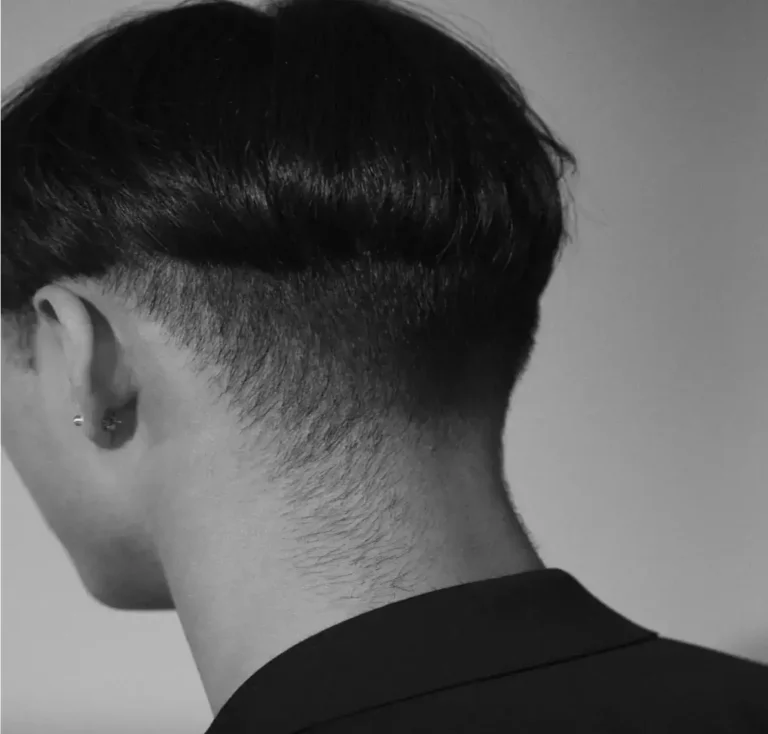
What sets the taper fade apart is its clean, balanced gradient, short near the neckline and temples, gradually blending into longer hair on top. This structure allows endless customization.
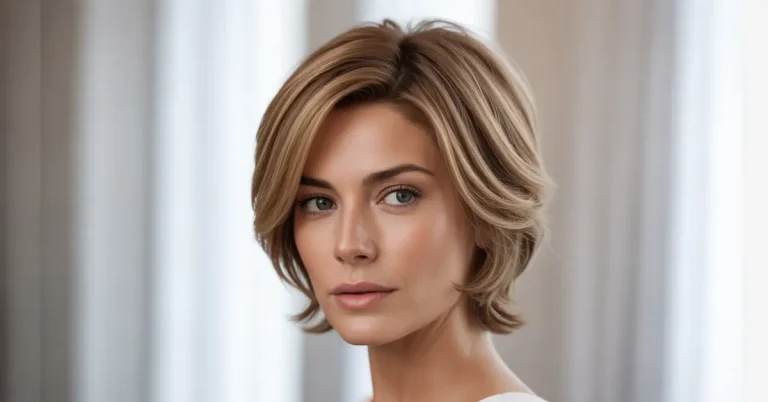
You can keep it tight and sharp for formal looks, or let it grow naturally for a casual vibe. The fade’s adaptability comes from how it transitions, making it ideal for both short and medium-length styles. It suits textured curls, straight hair, and everything in between.
If you’re still exploring your fade options, I recommend checking out the Types of Taper Fades Guide for a closer look at variations that might fit your features.
How to Adapt Your Fade to Your Face Shape and Hair Type
A truly versatile taper fade complements your natural structure. Understanding how your face shape and hair texture influence the cut helps you achieve balance and definition.
Face Shape Considerations
- Round faces: Opt for a higher taper to elongate the face and create more contrast on the sides.
- Square faces: A mid taper maintains structure while softening the corners.
- Oval faces: Almost any taper fade works, but a low fade enhances natural symmetry.
- Heart-shaped faces: Keep the taper subtle near the temples for better balance.
Hair Texture and Growth Pattern
- Curly or coiled hair: Use a gradual fade to control volume and define shape.
- Straight hair: Sharp tapers emphasize clean lines and make styling easier.
- Wavy hair: Blend the taper softly for a natural, flowy transition.
Knowing your texture helps your barber adjust clipper lengths for smooth blending and lasting results.
Style Scenarios | From Business to Weekend
One reason I love the taper fade versatile cut is that it transitions effortlessly between different lifestyles and looks. Here’s how to make it fit your day-to-day.
Professional / Clean-Cut Fade
For office or formal settings, keep the sides neat with a low taper and subtle top length. Use a lightweight styling cream for control without stiffness. Pair it with a defined part or comb-over to maintain polish.
Trendy / Textured Fade
If you prefer a modern edge, go for a mid taper with volume or texture on top. Use matte clay or powder for a natural, styled finish that looks intentional but relaxed.
Curly / Natural Hair Fade
For those with textured or curly hair, a versatile taper fade helps highlight your curls while maintaining clean sides. Use curl-enhancing cream and a sponge brush for shape definition.
For detailed styling product recommendations, visit the Styling Techniques guide.
Ask Your Barber: Key Questions and Reference Phrases
Communication shapes results. When you’re in the chair, mention how you plan to style your hair daily. Say whether you want your fade to lean professional, casual, or trend-focused.
Bring a few reference photos to ensure you and your barber share the same vision. If you like more flexibility, ask for a versatile taper fade that allows adjustments between textured and smooth looks.
Your barber can also recommend how often to visit for touch-ups based on your growth rate and styling habits.
Maintenance Tips to Keep Your Versatile Fade Looking Good
Maintenance is where your taper fade versatile cut truly proves its worth. A few small habits can keep it sharp for weeks.
Product Suggestions
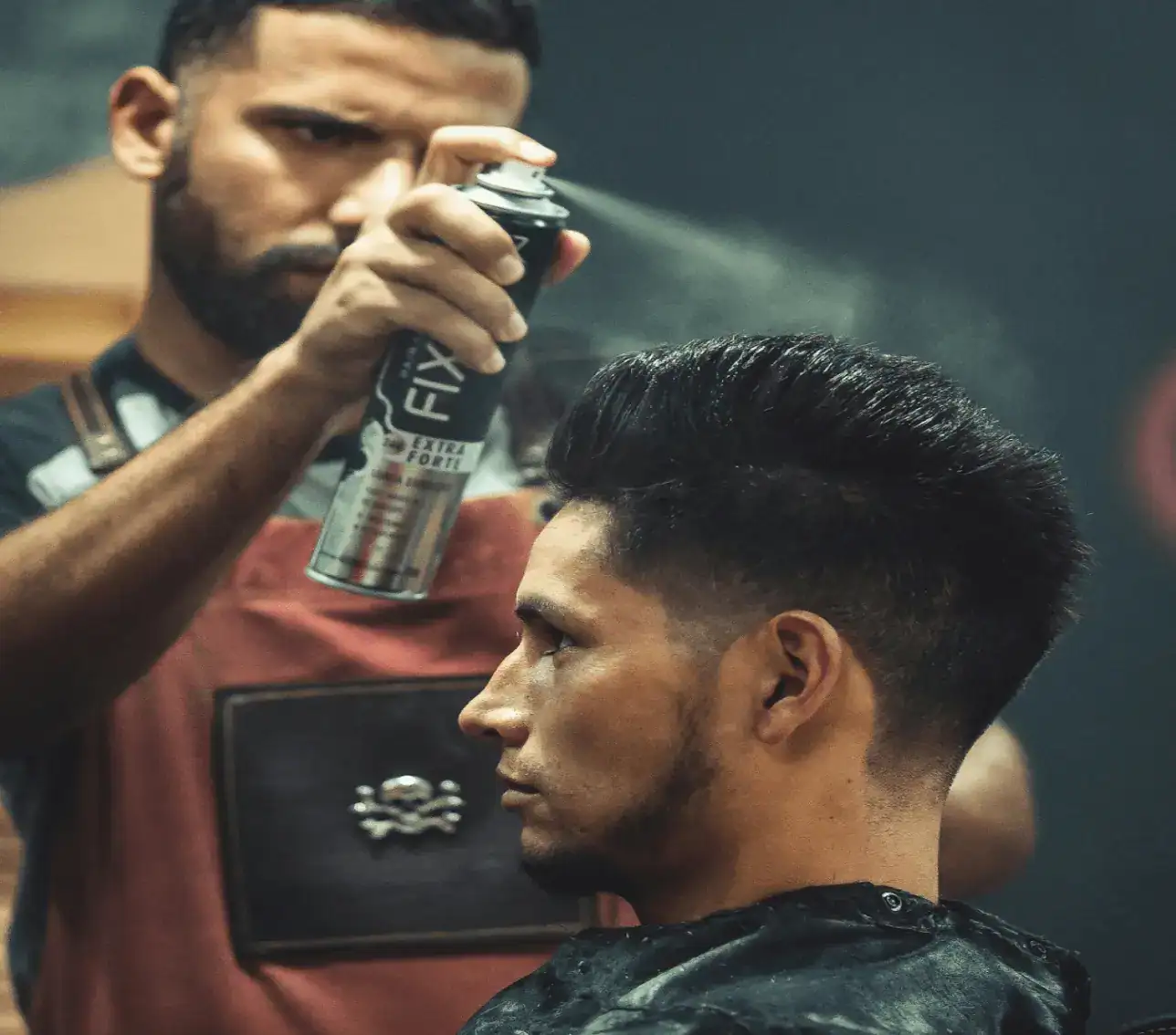
Use lightweight products that don’t leave residue. Matte clays, soft creams, or curl moisturizers keep your fade balanced without buildup. Avoid heavy gels that make fades look flat or greasy.
Explore detailed product advice in my Styling Techniques guide.
Tools and Clippers You Should Have
Even between barber visits, small touch-ups help. Use a quality trimmer and mirror to clean neckline and sideburns. Keep blades oiled and sanitized for precision.
For professional gear insights, check out the Tools and Clippers article for recommendations I use in the shop.
Ethan’s Favorite Versatile Fade Looks for 2025
2025 is all about adaptability and balance. My favorite versatile taper fades this year blend texture with structure. The top styles include:
- Textured medium tapers with natural waves
- Low tapers paired with side parts
- Curly tapers enhanced with sponge curls
- Mid tapers styled upward for volume
Each of these cuts maintains flexibility while keeping your fade fresh and modern.
FAQs
The taper fade versatile cut gives you control over your look, whether you’re headed to work or out for the night. It’s not just a haircut, it’s a flexible foundation that grows with your style.
For more tutorials, fade ideas, and barber insights, visit the Taper Fade Pro homepage and keep your style evolving with confidence.