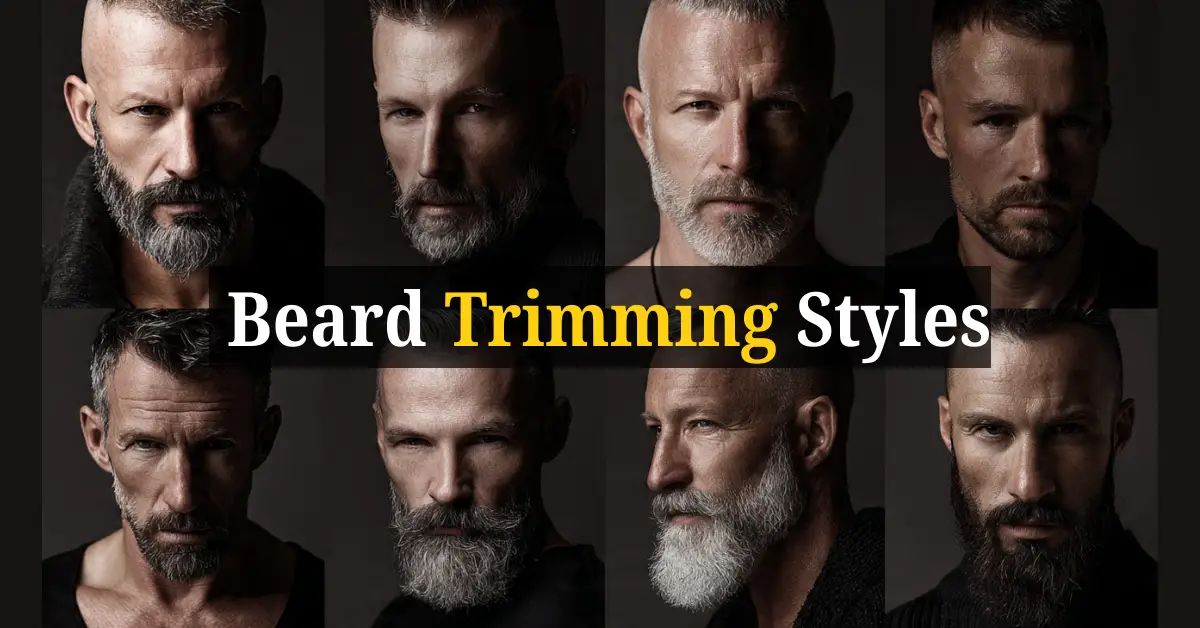
Beard Trimming Styles: The Complete Guide to Sharp Lines and Perfect Shape
Beard trimming styles are not random cleanups. They are structural grooming decisions that determine how your jawline reads, how your beard connects to your haircut, and how disciplined your overall appearance feels.
Within the broader ecosystem of beard styles for men, trimming is the invisible framework that separates sharp definition from uncontrolled growth. Mastering beard trimming is about understanding architecture, not just reducing length.
The Anatomy of a Proper Beard Trim
Before choosing a specific beard trim style, you need to understand the structural components that shape every well executed beard. Precision in lines, angles, and transitions determines whether the result looks intentional or accidental.
Cheek Line Architecture
The cheek line defines the upper boundary of the beard. It can be kept natural, slightly cleaned, or sharply carved depending on density and desired sharpness.
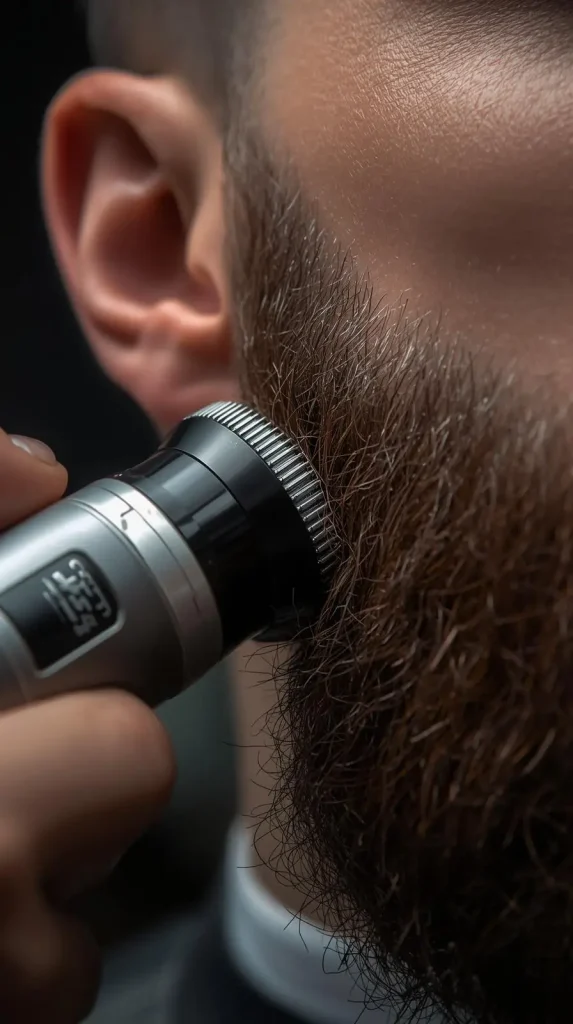
A higher cheek line creates a fuller, more rugged appearance. A slightly lowered, straightened line delivers sharper definition. Over carving, however, reduces fullness and can make the beard appear thinner than intended.
Consistency on both sides is critical. Even minor asymmetry weakens the overall structure.
Neckline Placement Science
The neckline is the foundation of every beard trimming guide. If placed too high, the beard loses depth and looks unnatural. If placed too low, the neck appears bulky and unrefined.
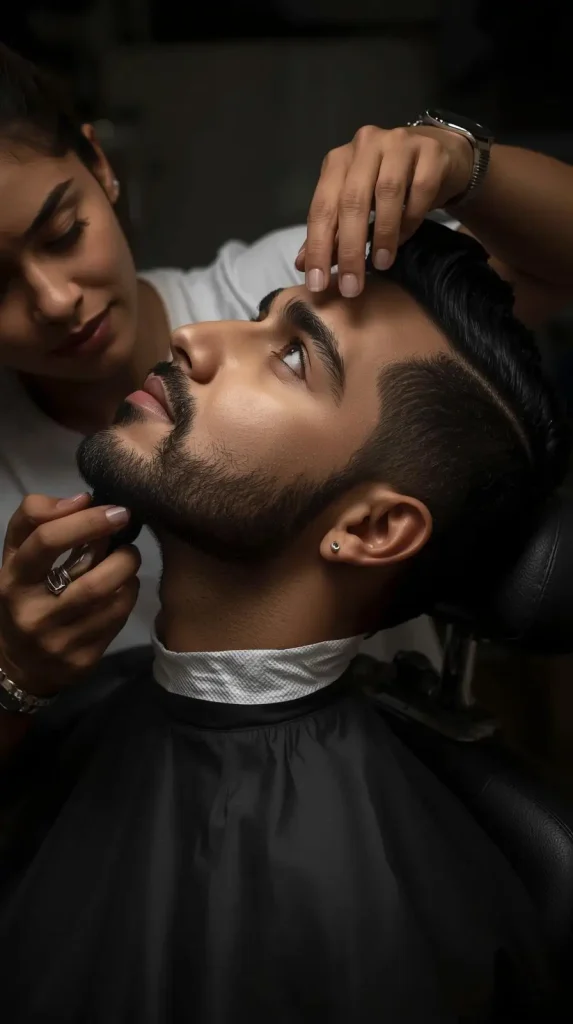
The ideal placement typically sits just above the Adam’s apple and follows a subtle curve from ear to ear. This preserves jaw clarity while maintaining a natural growth boundary.
Proper neckline discipline instantly upgrades most beard trimming styles.
Jawline Emphasis Strategy
The jawline determines how masculine and structured a beard appears. Trimming slightly shorter near the upper cheeks while leaving subtle density toward the chin can enhance jaw projection.
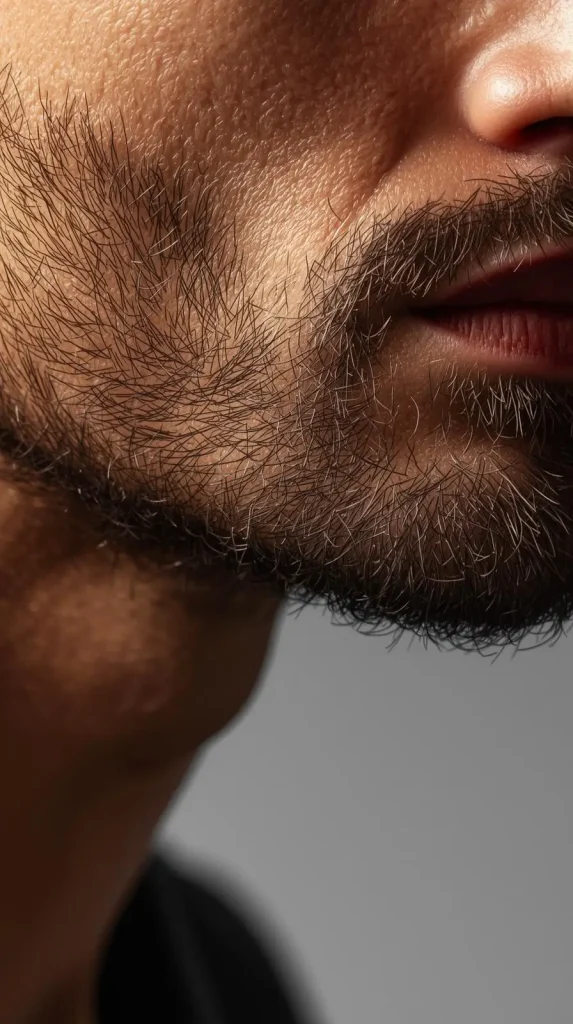
For rounder faces, maintaining stronger angles along the jawline improves definition. For square faces, slightly softening extreme corners maintains balance.
Every beard trim should intentionally support facial proportions rather than ignore them.
Transition Into Sideburns
The transition between sideburns and beard is where many trims fail. A harsh break disconnects the haircut from the facial hair.
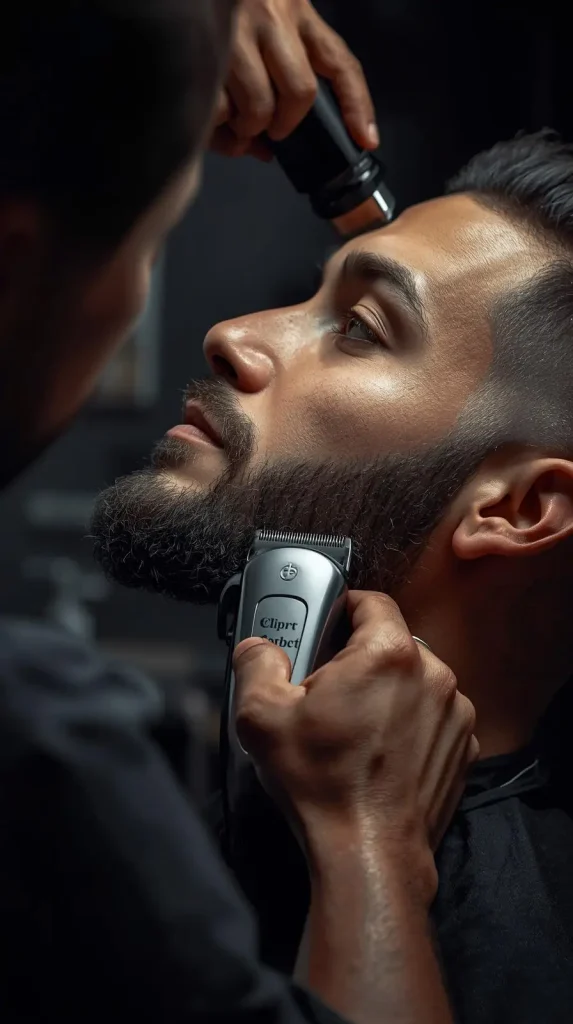
Gradual blending creates cohesion. Studying transition structure inside a taper fade haircut styles guide helps you understand how guard progression and gradient control improve this connection.
A seamless sideburn transition turns a simple beard trim into a complete grooming design.
18 Beard Trimming Styles That Define Structure
Once the anatomy is understood, execution becomes intentional. Beard trimming styles are less about removing hair and more about shaping boundaries. The following trims focus on structure, proportion, and edge control rather than sheer length.
1. Clean Short Trim
The clean short trim maintains compact length across the beard while sharpening the neckline and cheek lines. It prioritizes uniform guard control.
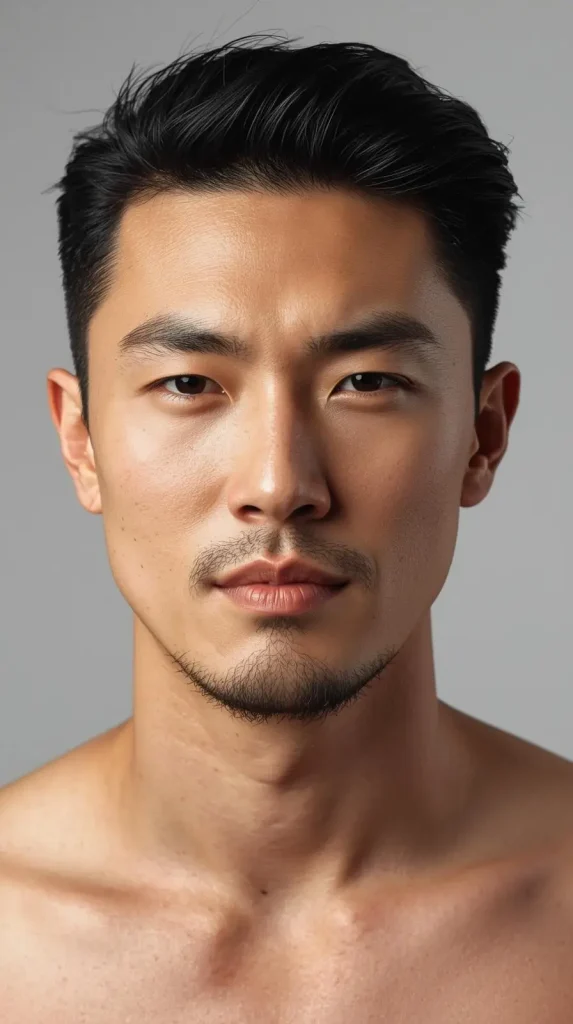
This style works best for men who want low maintenance with crisp structure. The key is consistent millimeter discipline and symmetrical outlining.
2. Sharp Boxed Trim
The sharp boxed trim creates straight cheek lines and defined vertical edges near the sideburn area. It gives the beard a geometric appearance.
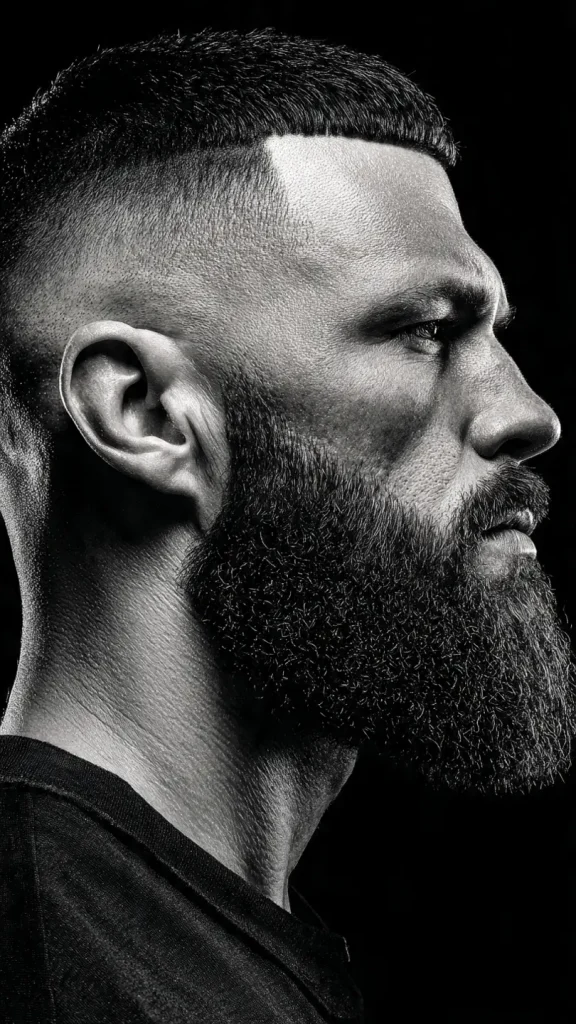
Among beard trimming styles, this variation delivers maximum structure. Precision along the jaw and upper boundary is essential to preserve the box shape.
3. Tapered Trim
The tapered trim gradually reduces density near the sideburns while keeping slightly more fullness toward the chin. This adds dimension without increasing length.
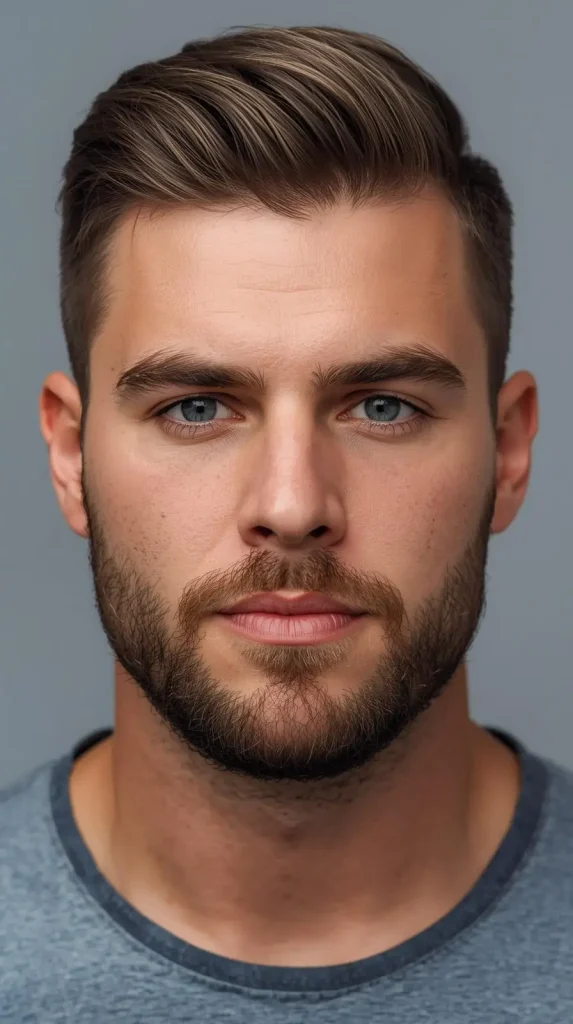
This beard trim enhances facial angles and prevents bulk along the cheeks. Controlled guard progression is critical for smooth transitions.
4. Jawline Focused Trim
The jawline focused trim concentrates shaping along the lower boundary of the beard. Slight tightening beneath the jaw sharpens chin projection.
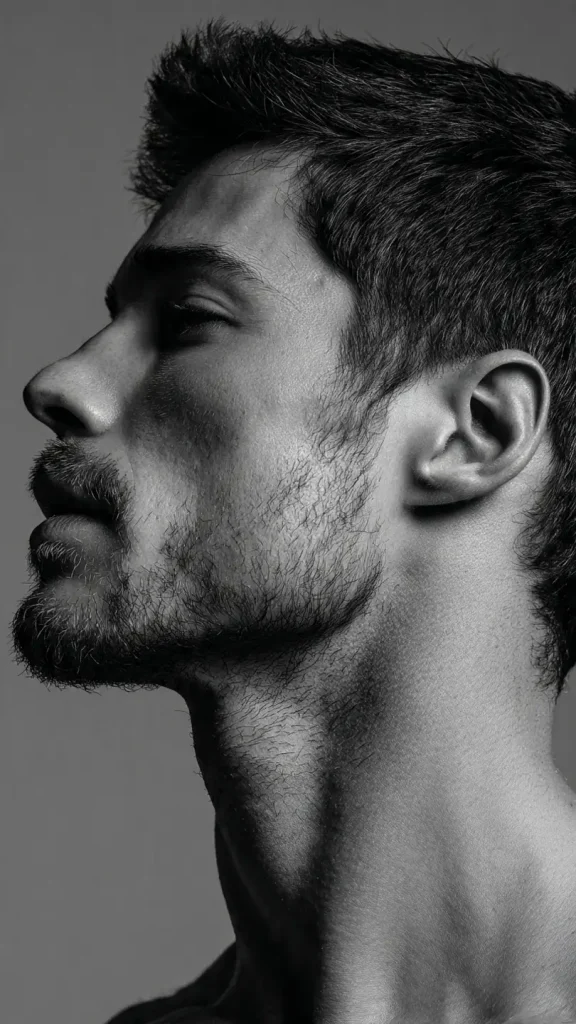
This variation is ideal for men who want stronger lower face definition. Neckline accuracy determines whether the jaw appears sculpted or soft.
5. Rounded Natural Trim
The rounded natural trim follows the natural growth curve of the beard without aggressive carving. The edges remain clean but not overly sharp.
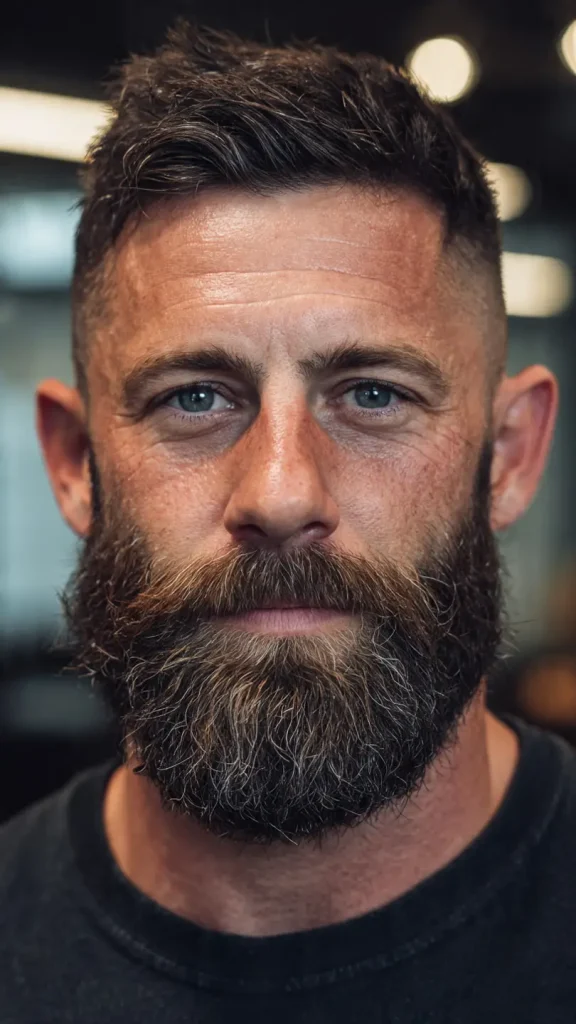
This approach works well for thicker growth patterns. It maintains fullness while preserving discipline through subtle shaping.
6. High Cheek Line Trim
The high cheek line trim preserves maximum upper beard coverage. Only minimal stray hairs are removed to maintain fullness.

This beard trimming style projects a rugged aesthetic while keeping the boundaries clean. Symmetry is crucial to prevent imbalance between sides.
7. Low Cheek Line Trim
The low cheek line trim intentionally lowers the upper beard boundary to create sharper angles and a more sculpted look. It removes upper cheek density to emphasize structure.
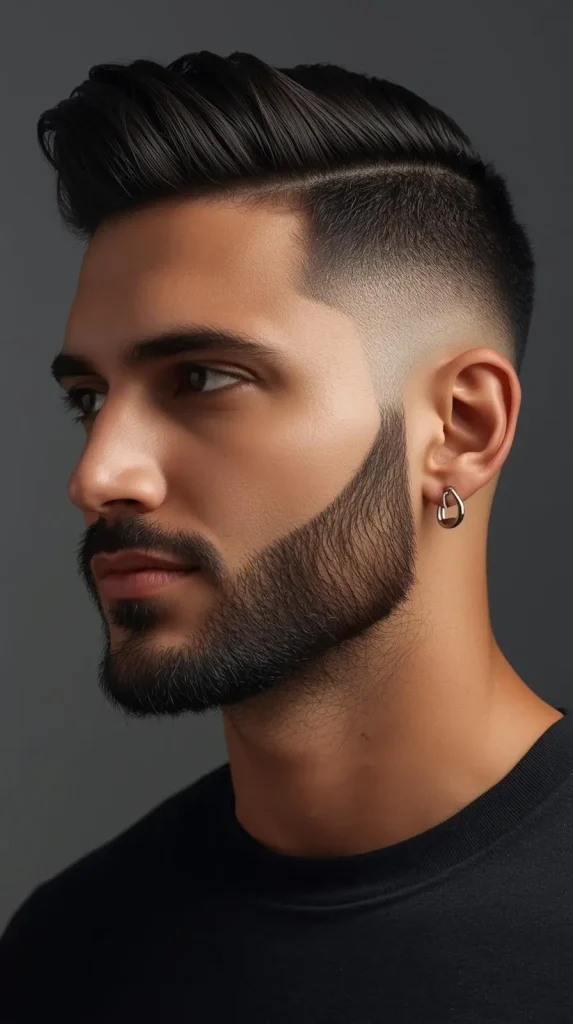
Among beard trimming styles, this variation delivers a cleaner, more aggressive silhouette. Precision is critical because lowering the line too far can reduce overall fullness.
8. Hard Line Up Trim
The hard line up trim focuses on razor sharp edges along the cheeks and temple area. Straight, defined lines replace natural curves.
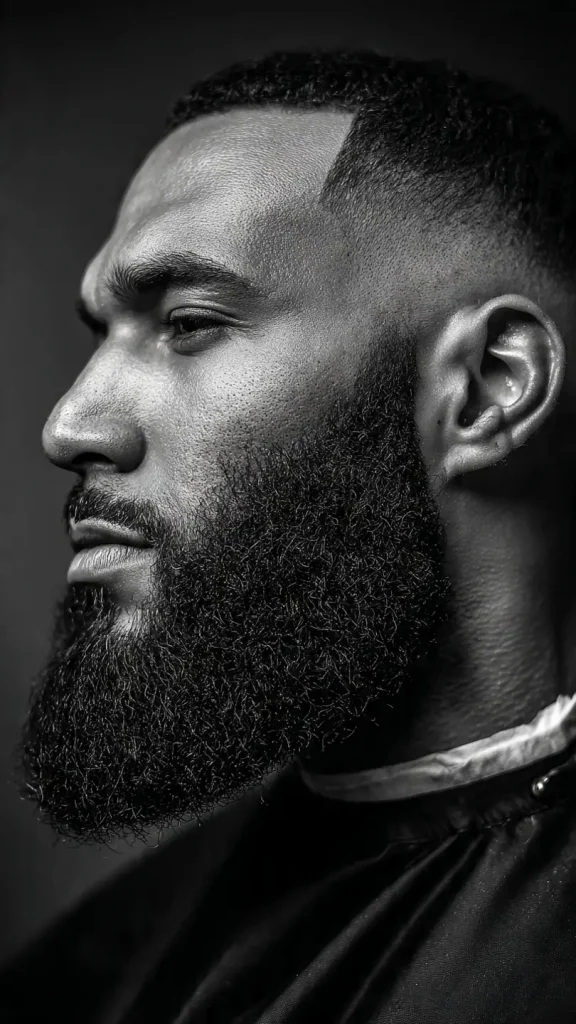
This beard line up technique creates bold contrast and geometric clarity. Symmetry and steady hand control determine whether the trim looks refined or artificial.
9. Faded Beard Trim
The faded beard trim blends the sideburn and upper beard into the haircut rather than leaving a hard break. The result is a smooth gradient transition.

This trim integrates seamlessly with modern beard fade styles. Proper guard progression and gradual blending preserve cohesion between haircut and beard.
10. Corporate Precision Trim
The corporate precision trim prioritizes symmetry, moderate density, and conservative cheek shaping. It avoids extreme carving while maintaining sharp boundaries.

This beard trim style suits professional environments where polish matters. Clean neckline placement and subtle tapering maintain discipline without aggression.
11. Thick Beard Sculpted Trim
The thick beard sculpted trim maintains heavy density while refining edges and proportions. Bulk is preserved, but structure is enforced.
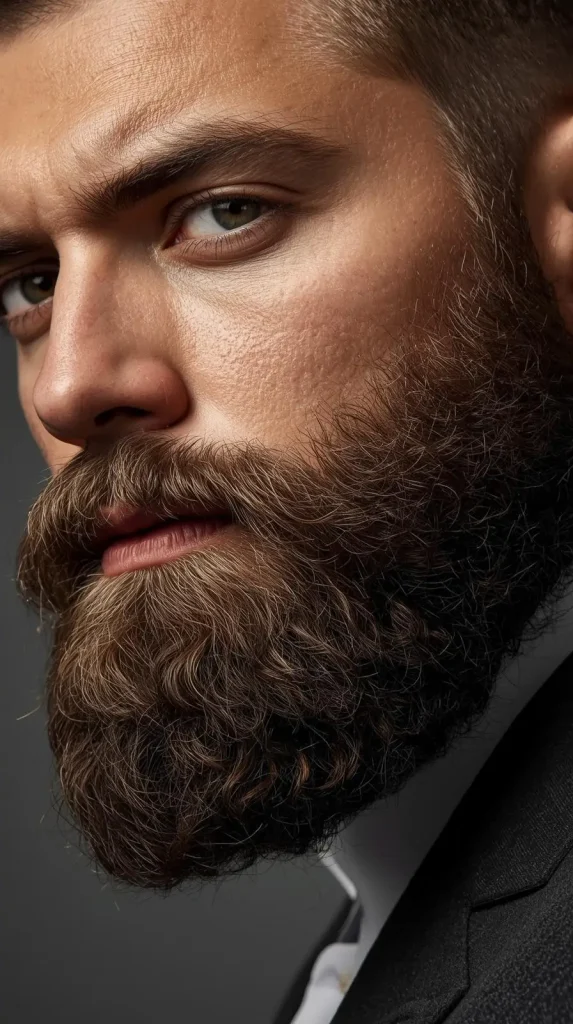
Strategic thinning along the cheeks and controlled shaping along the jaw prevent the beard from appearing oversized. This approach balances fullness with refinement.
12. Medium Length Structured Trim
The medium length structured trim works with moderate growth and focuses on balanced shaping. It avoids dramatic tapering while still defining boundaries.
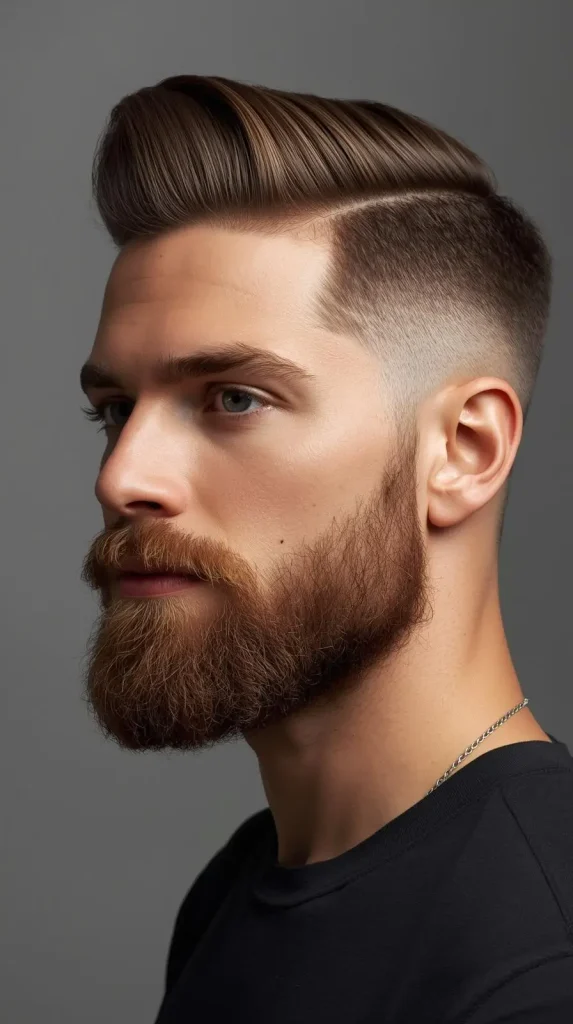
Among beard trimming styles, this variation offers flexibility. Consistent guard control and sharp outlining ensure the beard remains intentional and proportionate.
13. Bald Head Integrated Trim
The bald head integrated trim aligns the beard’s density with a clean shaved scalp. Without hair on top, the beard becomes the primary structural element.
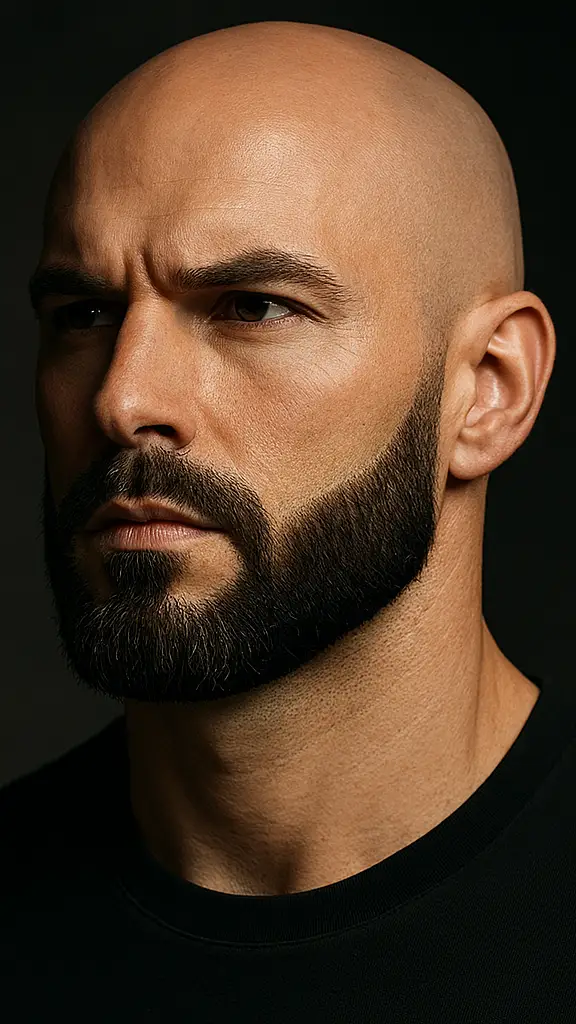
Neckline placement must be precise and slightly lower to anchor the face. Tight cheek lines and controlled jaw shaping prevent the beard from overpowering the profile.
14. Undercut Integrated Trim
The undercut integrated trim maintains strong contrast between tight sides and fuller top hair while ensuring the beard connects smoothly.
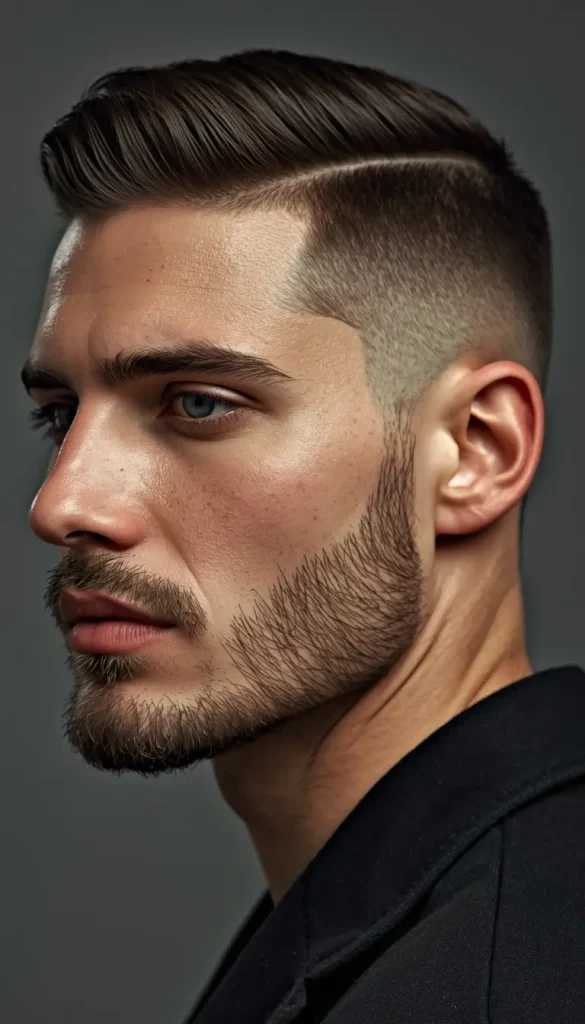
This beard trim focuses heavily on the sideburn transition. Gradual blending prevents a harsh break and preserves cohesion between haircut and facial hair.
15. Buzz Cut Integrated Trim
The buzz cut integrated trim pairs compact top length with a clean, structured beard. Because the haircut is minimal, facial hair becomes more prominent.
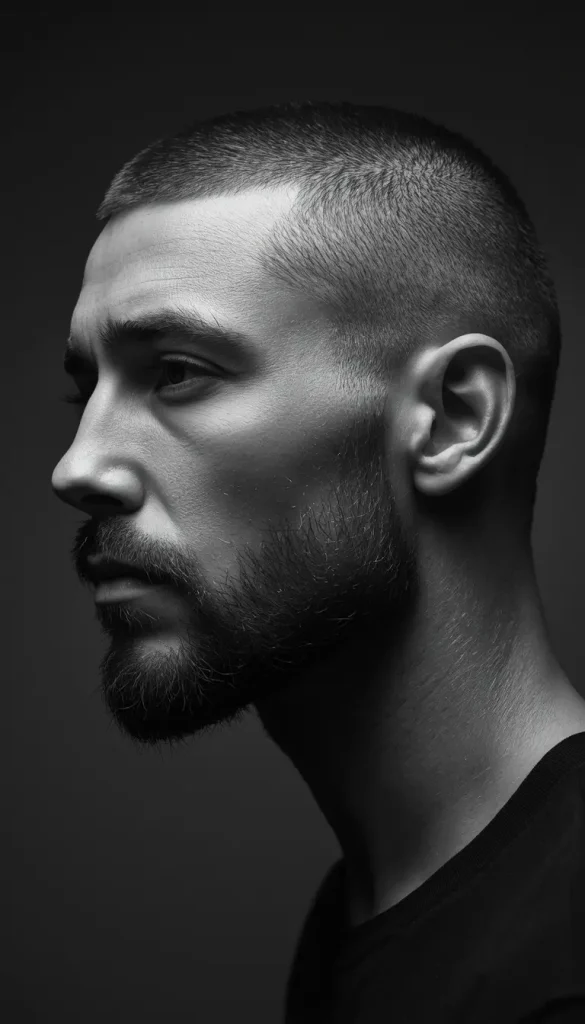
Sharp outlining and balanced density are essential. Even slight asymmetry becomes noticeable with such a streamlined haircut.
16. Patchy Beard Correction Trim
The patchy beard correction trim reduces overall length to minimize contrast between dense and sparse areas. Keeping the beard slightly shorter creates uniformity.

Strategic cheek shaping and controlled jaw trimming redirect attention to structure rather than density. This technique transforms uneven growth into intentional style.
17. Salt and Pepper Defined Trim
The salt and pepper defined trim enhances natural gray contrast while maintaining disciplined edges. Color variation adds dimension, but shape determines polish.
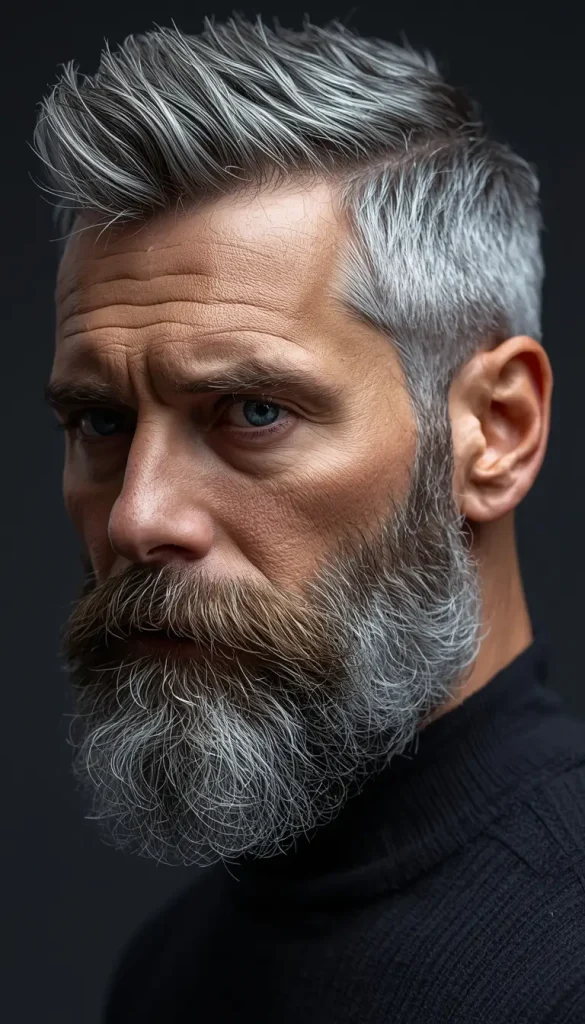
Clean neckline placement and consistent guard control keep mixed tones looking refined rather than unkempt.
18. Modern Symmetry Trim
The modern symmetry trim emphasizes equal proportions on both sides of the face. Every boundary is intentional and balanced.
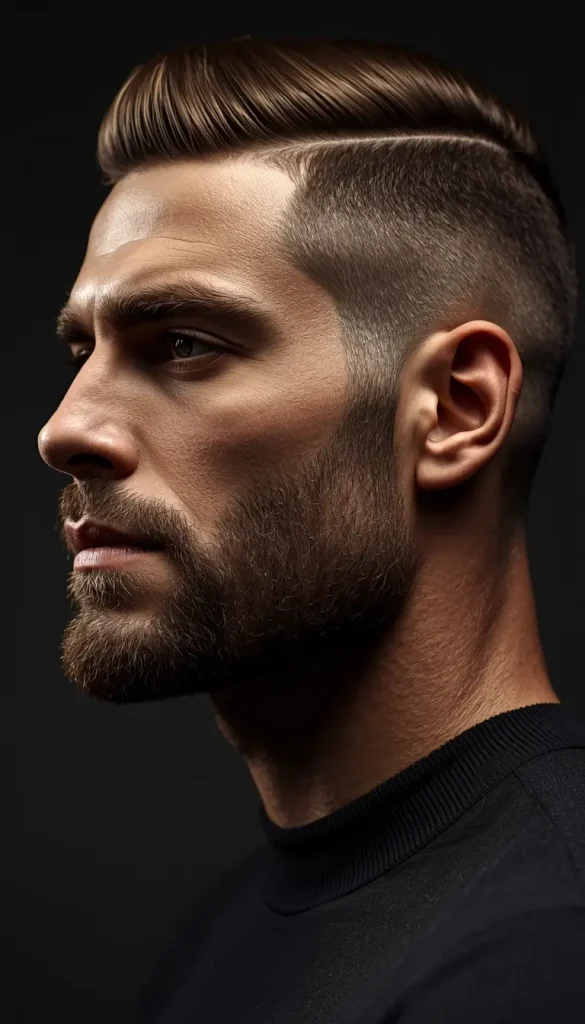
Among beard trimming styles, this approach reflects advanced grooming discipline. Precision measurement, controlled guard use, and consistent line up detailing define the final result.
Beard Line Up, Neckline, and Jawline Mastery
Even the best beard trimming styles fail without disciplined edge control. Line placement defines structure more than length ever will. Mastery of the beard line up, neckline positioning, and jawline shaping turns an average trim into a professional level result.
Beard Line Up Technique
A proper beard line up establishes clean upper boundaries along the cheeks and temples. The goal is clarity without over carving.
Start by identifying your natural growth pattern. Remove only stray hairs outside the intended shape before refining the line with a detail trimmer. Straight lines create bold definition, while slightly curved lines maintain a more natural aesthetic.
Symmetry is critical. Always step back and evaluate both sides before committing to deeper carving.
Beard Neckline Guide
The neckline anchors the entire beard. A common mistake is trimming it too high, which weakens depth and disrupts jaw structure.
The ideal beard neckline guide starts just above the Adam’s apple and curves naturally toward the ears. This placement preserves chin projection while eliminating excess neck bulk.
Maintaining this boundary consistently elevates all beard trimming styles.
Beard Jawline Guide
The jawline is where masculine structure is defined. Tightening hair just beneath the jaw while preserving density along the edge sharpens facial angles.
Avoid rounding the jaw unintentionally. Instead, follow the natural bone structure and trim with purpose. Balanced density along the jawline enhances symmetry and strengthens the lower third of the face.
Most Common Beard Trimming Mistakes
Precision defines beard trimming styles, but small errors can instantly weaken structure. Most grooming mistakes are not about length. They are about placement, symmetry, and control. Avoiding the following issues protects the integrity of your trim.
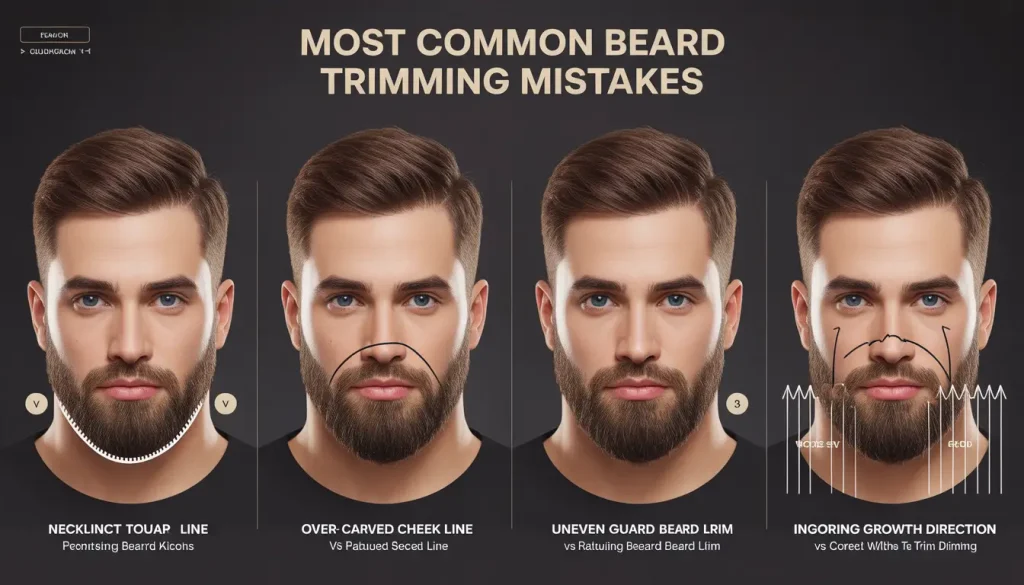
Neckline Too High
Trimming the neckline too high removes depth from the lower face and creates an unnatural floating beard effect.
This mistake shortens the visual length of the beard and weakens jaw projection. Keeping the neckline just above the Adam’s apple preserves structure and masculine balance.
Over-Carved Cheek Line
Over carving the cheek line reduces fullness and exposes too much skin. While sharp lines can look clean, excessive carving thins the beard.
A balanced beard line up enhances structure without sacrificing density. Subtle shaping is often more effective than aggressive outlining.
Uneven Guard Length
Switching guards without consistent blending creates visible steps in density. Uneven guard progression disrupts the flow of the beard.
Maintain discipline by trimming systematically. Always blend gradually between lengths rather than jumping from long to short settings abruptly.
Ignoring Growth Direction
Every beard grows in multiple directions. Trimming against natural growth patterns without awareness can create uneven patches.
Understanding hair direction improves uniformity. Trim with the grain first to establish baseline length, then refine against the grain carefully for sharper structure.
Tools and Precision Control
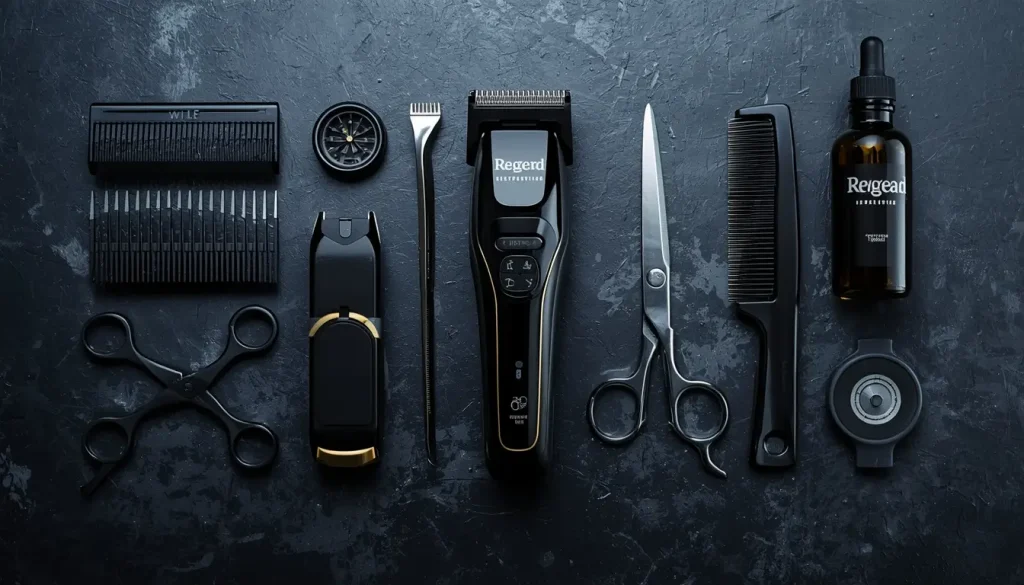
Even the most refined beard trimming styles rely on disciplined tool selection. Precision is not just about technique. It is about using the right equipment for shaping, blending, and edge refinement. The tools you choose directly influence symmetry, guard consistency, and line sharpness.
Clippers and Guard Strategy
A high quality clipper with reliable guard sizes is the foundation of controlled beard trimming. Consistent guard progression prevents uneven density and harsh transitions.
Start with a slightly longer guard than your target length, then refine downward. Gradual reduction ensures smooth blending and protects against accidental over trimming.
When integrating the beard into a haircut, understanding transition logic from a taper fade haircut styles guide improves guard selection and blending discipline.
Detail Trimmers for Sharp Edges
Detail trimmers define cheek lines, necklines, and jaw contours. They are essential for executing a precise beard line up and maintaining clean structure.
Professional barber tools for fades offer tighter blade control and improved edge accuracy. Clean, sharp blades prevent irritation and create crisp boundaries.
Mirror and Lighting Setup
Precision trimming requires clear visibility. Poor lighting hides asymmetry and uneven lines.
Use bright, even lighting and multiple mirror angles to check both sides of the beard. Evaluating from different perspectives helps maintain symmetry and structural balance across all beard trimming styles.