Types of Taper Fades: How to Choose the Best Fade for Your Style
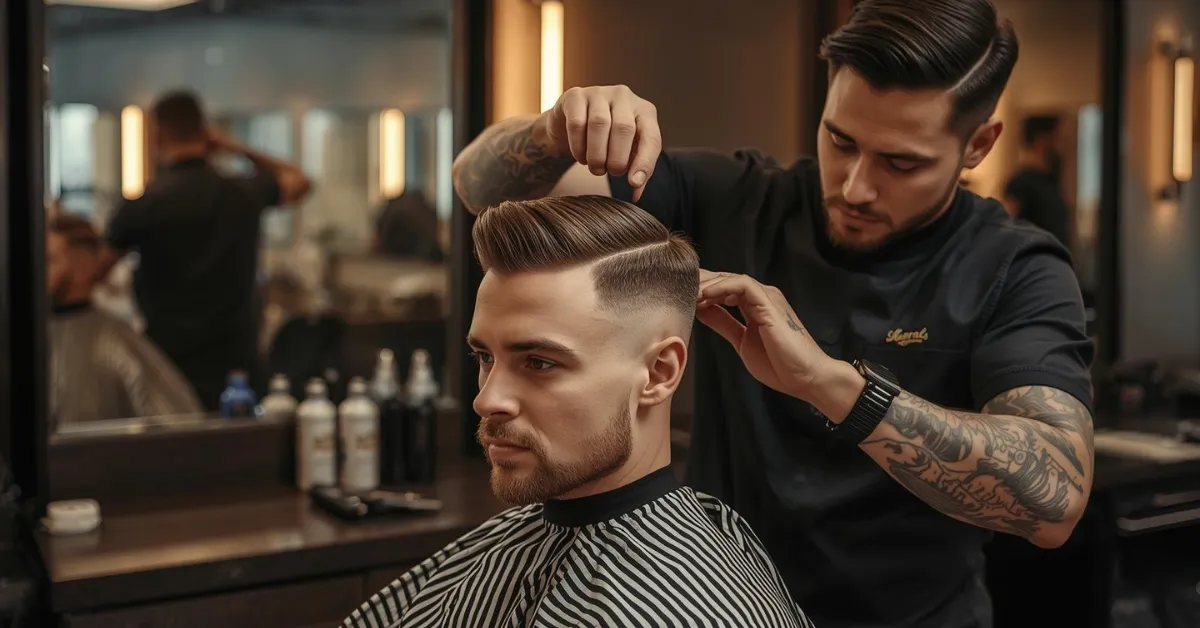
As a barber, I’ve seen countless clients walk into the shop asking for a taper fade without really knowing which one they want. The truth is, every fade tells a story. Some are sharp and defined, others are subtle and natural. Choosing the right one can transform your entire look.
In this guide, I’ll help you understand the main types of taper fades and how to choose the best one based on your face shape, hair type, and personal style. By the end, you’ll know exactly which fade to ask for next time you sit in the chair.
Understanding the Taper Fade Spectrum
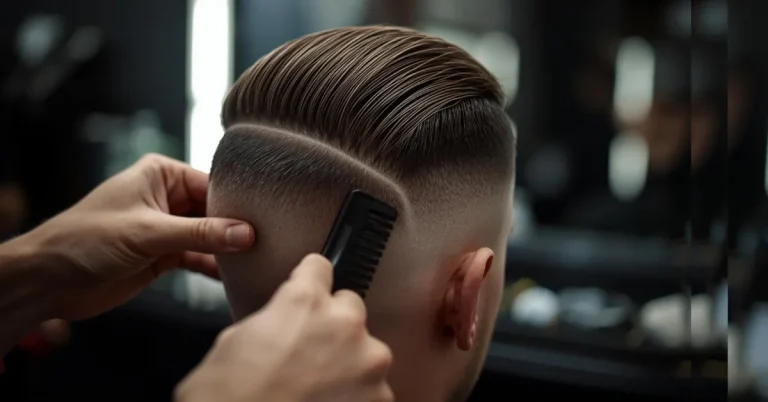
A taper fade is all about gradual blending, a clean transition from longer hair on top to shorter sides and neckline. It’s versatile, professional, and stylish, which is why it has become one of the most requested men’s haircuts worldwide.
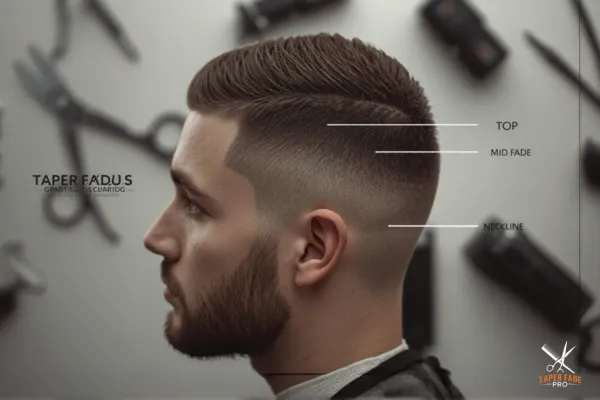
While the term “taper fade” might sound singular, there are several fade types within it, each offering a different level of contrast and personality. From subtle low fades to bold high fades, your choice affects how your haircut frames your face and complements your features.
Choosing the Right Fade for You
Before you pick a specific fade, consider three key factors: face shape, hair type, and style personality. These determine how balanced and flattering your haircut will look.
Based on Face Shape
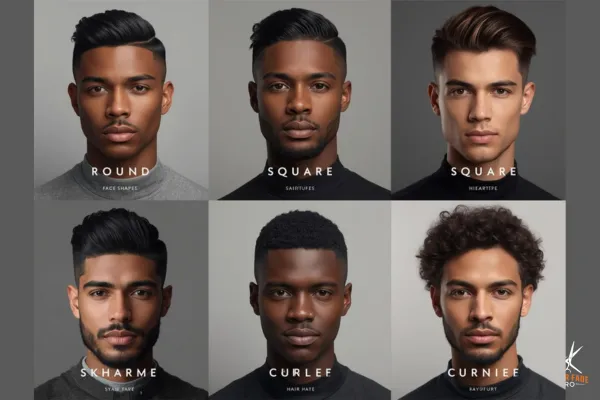
- Round face: Go for a high taper fade to add height and definition to your overall look. The sharp sides make your face appear longer and leaner.
- Square face: A mid taper fade softens strong jawlines and adds a modern touch without exaggerating edges.
- Oval face: You can wear nearly any fade, but the low taper fade gives a polished, balanced appearance.
- Heart-shaped face: Choose a temple taper fade to keep attention around the cheekbones while maintaining fullness near the crown.
Based on Hair Type
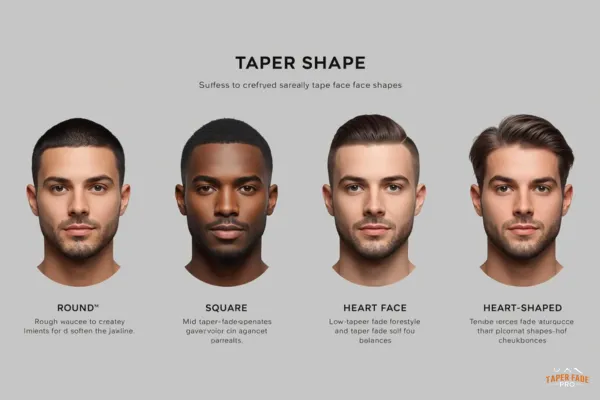
- Curly or coiled hair: The burst taper fade works beautifully, emphasizing texture while keeping sides clean.
- Straight hair: A mid taper fade adds controlled shape and avoids too much scalp exposure.
- Wavy hair: The low taper fade enhances wave definition and flows naturally.
- Thick coarse hair: Opt for a high taper fade to reduce bulk and keep your style manageable.
Based on Style Personality
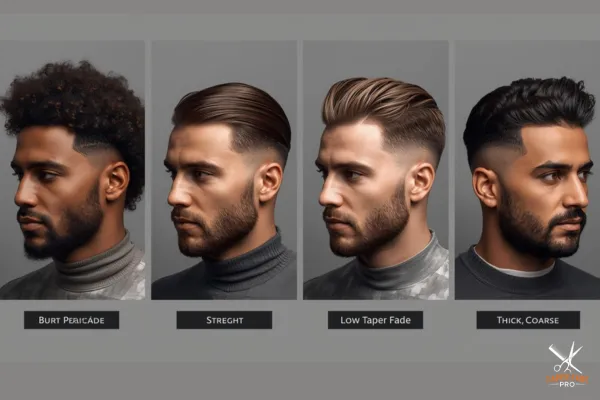
If you prefer classic looks, stick to a low taper fade that blends smoothly without harsh contrast.
For a bold or fashion-forward vibe, a high taper fade or burst fade offers strong visual impact.
And if you like to mix business and casual, the mid taper fade keeps you versatile in every setting.
The Main Types of Taper Fades
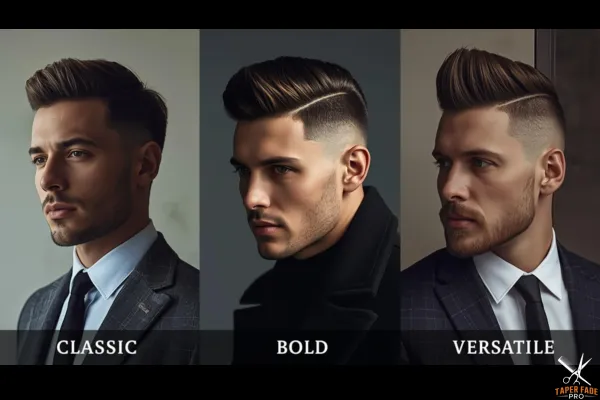
Each fade type has its own style signature. Here’s how to recognize them and when to choose one.
Low Taper Fade Type
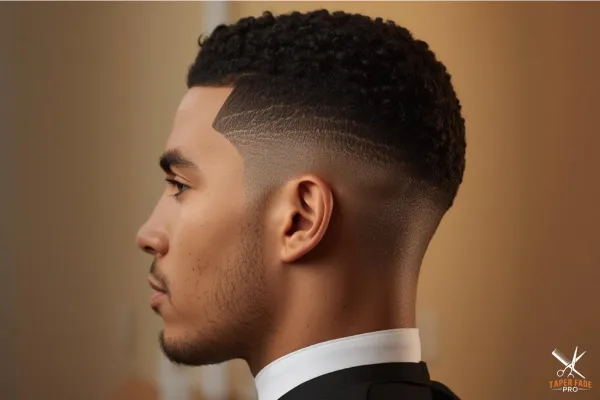
The low taper fade starts just above the ear and gently graduates toward the neckline. It’s perfect for professionals or anyone who wants a neat, understated finish. Pair it with short curls, waves, or even a side part for an everyday refined look.
For detailed finishing tips, explore my guide on Styling Techniques.
Mid Taper Fade Type
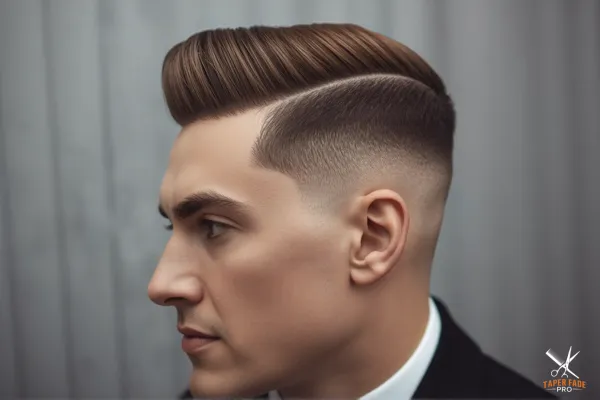
The mid taper fade begins around the temple area and offers a balanced contrast between subtle and bold. It suits most face shapes and works well for both textured and straight hair.
If you want to see how this fade achieves the perfect blend, check out my in-depth article on the Perfect Taper Fade.
High Taper Fade Type
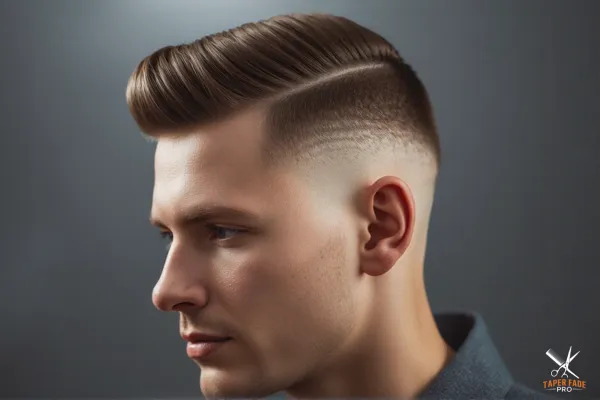
The high taper fade starts near the upper sides of the head, creating a sharp, dramatic effect. It’s a go-to for men who prefer clean lines and bold definition. This fade pairs well with modern styles like crop tops and afro curls.
To keep this fade crisp, use the maintenance tips shared in the Taper Fade Maintenance Guide.
Temple Taper Fade Type
Also known as the Brooklyn fade, the temple taper fade focuses on the sideburns and neckline, leaving the rest of the hair full. It’s a stylish choice if you want subtle edges without removing too much volume.
For creative variations that blend with line designs, see the full collection in Taper Fade Designs.
Burst Taper Fade Type
The burst taper fade curves around the ear and creates a rounded, burst-like shape. It looks exceptional on curly or textured hair and pairs well with mohawks or short curls.
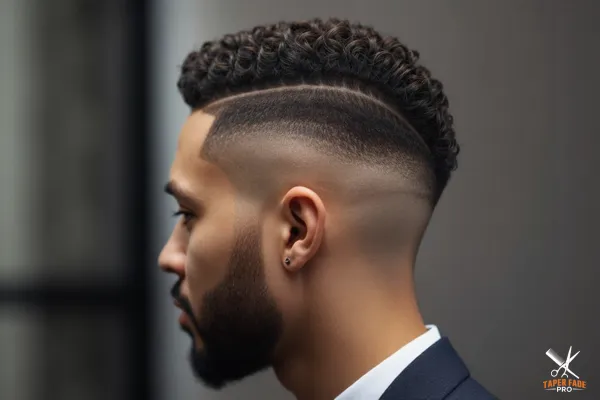
For barbers or clients who like experimenting, this is the fade that draws attention while keeping a clean silhouette.
My Barber’s Advice | Making the Cut Work for You
When clients ask me which taper fade suits them best, I always start by asking how much time they spend styling their hair daily. If you want a low-maintenance look, a low or mid taper fade keeps things simple. But if you love experimenting, the high or burst fade opens room for creativity.
Be specific with your barber. Use reference photos, mention where you want the fade to start, and ask for blending that suits your hair texture. If you’re doing it at home, ensure your clippers are sharp and reliable.
You can explore my detailed post on Tools and Clippers for professional gear recommendations.
Fade Upkeep & Maintenance
A clean fade is only as good as its maintenance routine. I recommend a quick lineup every 10 to 14 days to keep edges sharp. Moisturize your scalp, brush regularly, and avoid using heavy products that cause buildup.
For an extended care routine, check my full guide on Taper Fade Maintenance.
FAQs
Choosing the right taper fade is about expressing who you are. Whether you prefer subtle or bold, clean-cut or creative, the fade you pick should reflect your personality.
If you’re exploring more haircut inspiration or need visual guides, visit the Taper Fade Pro homepage where I share the latest trends, tutorials, and professional advice to help you stay sharp every day.