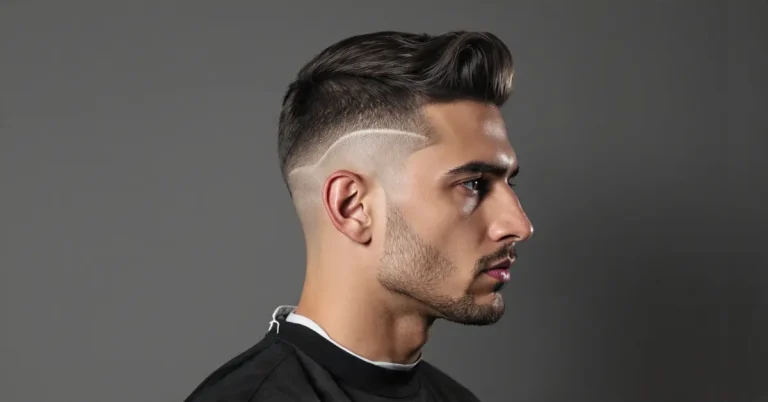
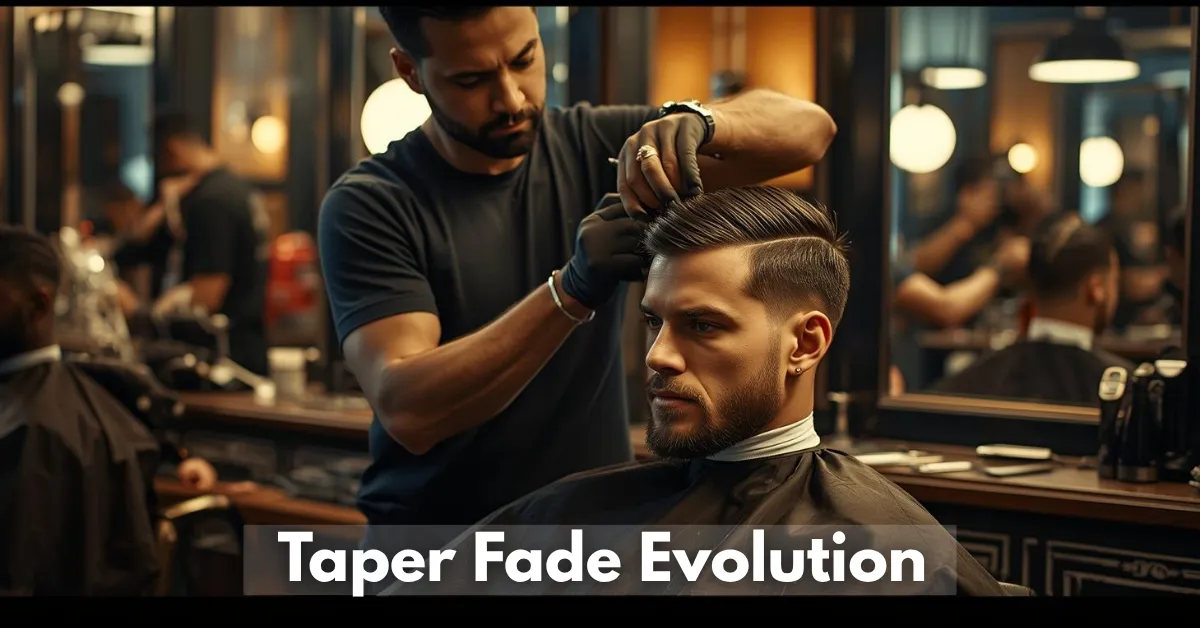
Taper Fade Evolution: How the Iconic Cut Became a Trend
When I first started cutting hair, I never imagined how deeply the taper fade would shape men’s style around the world. What began as a clean, practical military haircut has evolved into a statement of individuality, precision, and confidence.
The taper fade evolution tells the story of how one technique became a language of self-expression across generations and cultures.
In this article, I’ll share how the fade began, what drove its transformation, and why it remains one of the most requested styles in my chair to this day.
The Origins of the Taper Fade
The taper fade traces its roots back to mid-20th century barbershops, where it was first designed for practicality and discipline. Military grooming standards required sharp, low-maintenance cuts, leading barbers to refine a fade that blended seamlessly from short to shorter.
That clean, gradual transition quickly spread beyond barracks and into city barbershops. It offered a fresh, professional look that still felt masculine and modern, a combination that made it easy to adapt to civilian life.
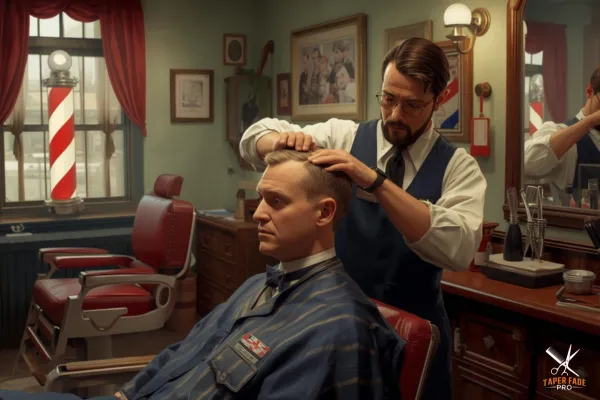
Over time, communities across the U.S. began personalizing the fade with small variations: tighter sides, higher blends, or textured tops. This laid the foundation for what would become decades of style evolution.
The Rise of the Taper Fade in Popular Culture
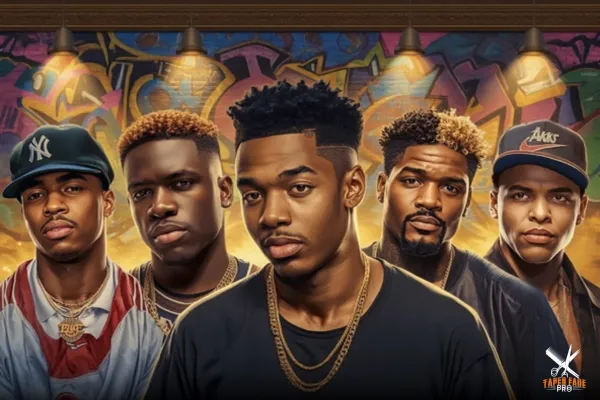
By the late 1980s and early 1990s, the taper fade had moved from barbershops to music videos, films, and sports arenas. Artists, athletes, and actors wore fades that reflected not only their taste but also their identity.
Influences in Music, Film, and Sport
Hip-hop culture gave the taper fade personality. From tight fades paired with clean lines to experimental shapes and parts, barbers began turning technical skill into art. The look became a symbol of confidence and community.
In film and sports, the fade represented precision and professionalism. Players and actors wore it with pride, a detail that reinforced how the style communicated discipline without sacrificing individuality.
Cultural Variants Around the Globe
As barbers around the world adopted the taper fade, local styles emerged. In Europe, barbers emphasized texture and subtle blending. Across Africa and the Caribbean, the fade became a canvas for patterns, curves, and artistic edge designs.
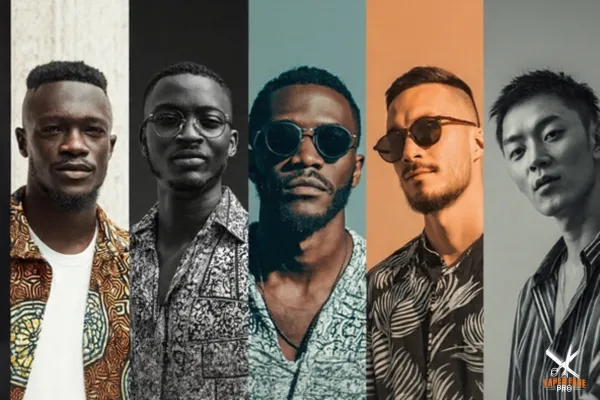
Today, the taper fade connects cultures, a shared aesthetic shaped by technique, creativity, and heritage.
For more on different fade designs that emerged through this era, explore my Types of Taper Fades Guide.
Modern Adaptations and Trend Variations
In today’s grooming world, the taper fade is more than a haircut, it’s a foundation for personal styling. Every year, I see new versions built on the same principles of proportion and balance.
Low, Mid, and High Taper Fades
These three fade levels define how adaptable the cut can be.
- The low taper fade keeps the transition near the ears, ideal for subtle and professional styles.
- The mid taper fade strikes balance and works well for textured or wavy hair.
- The high taper fade creates contrast and sharpness, making it a popular choice for bold, modern looks.
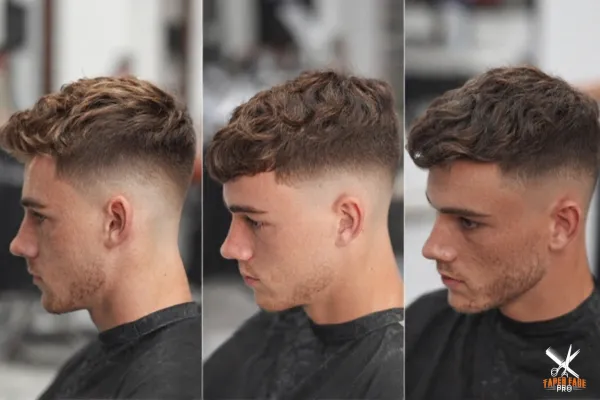
Each version reflects your lifestyle and hair texture, and I cover these in depth in my Taper Fade Versatile Cut Guide.
Textured, Curly, and Afro Taper Fades
Barbers today are embracing texture like never before. For curly and coiled hair, a taper fade enhances definition while maintaining structure. For straighter hair, fades add depth and dimension that make styling easier.
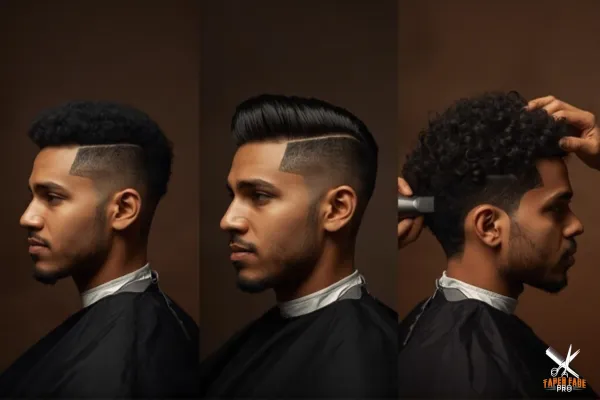
To maintain the blend, I always advise following a consistent care routine. Check my Taper Fade Maintenance Guide for practical daily upkeep tips.
Why the Taper Fade Endures – Style and Practicality
Few styles have lasted like the taper fade. Its longevity lies in its adaptability. It works for every face shape, age, and occasion. From executives to athletes, the fade’s versatility allows people to express professionalism, creativity, or confidence, all from one cut.
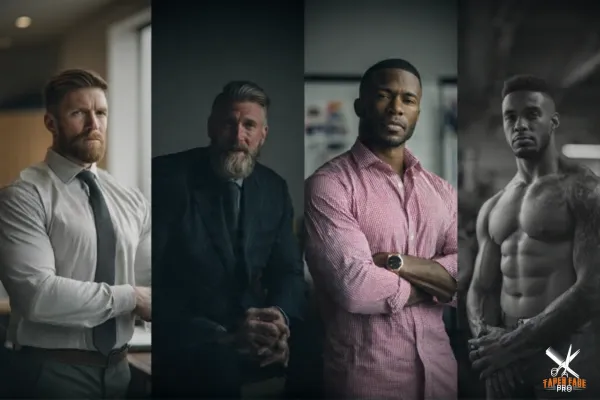
The fade’s structure makes it easy to maintain while still looking sophisticated. Combined with regular touch-ups and proper styling, it stays relevant in every decade.
For styling techniques that bring out your fade’s best features, visit the Styling Techniques Guide, where I share professional approaches to product layering and texture control.
How to Stay Ahead of the Fade Trend in 2025
In 2025, taper fade evolution continues to merge classic structure with innovation. Barbers are blending old-school precision with creative twists like burst fades, drop fades, and natural curls.
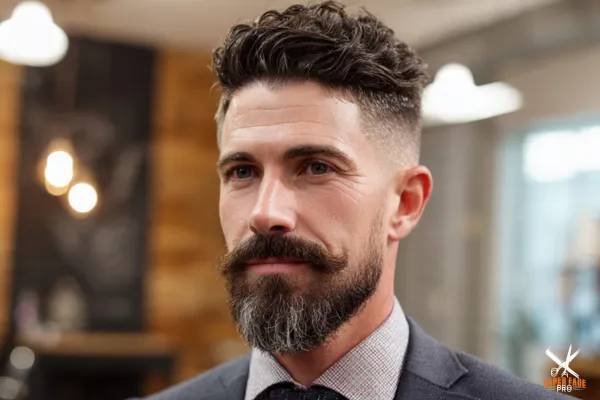
If you want to keep your look modern, pair your fade with updated grooming habits and fresh styling textures. Experiment with matte clays for an effortless finish or shine creams for smoother control.
For a step-by-step upkeep plan, my Barber Tools & Clippers Guide details the exact gear you’ll need for at-home precision. And if you’re just getting started exploring short hairstyles, check out the Short Haircuts for Men Guide for trend-driven looks to complement your fade.
FAQs
The taper fade evolution is more than a story of style, it’s a reflection of culture, confidence, and craft. Each generation has added its own touch, shaping the fade into something that feels both timeless and personal.
For more expert guides, trend updates, and barber insights, visit the Taper Fade Pro homepage, your complete source for mastering every fade and modern grooming style.