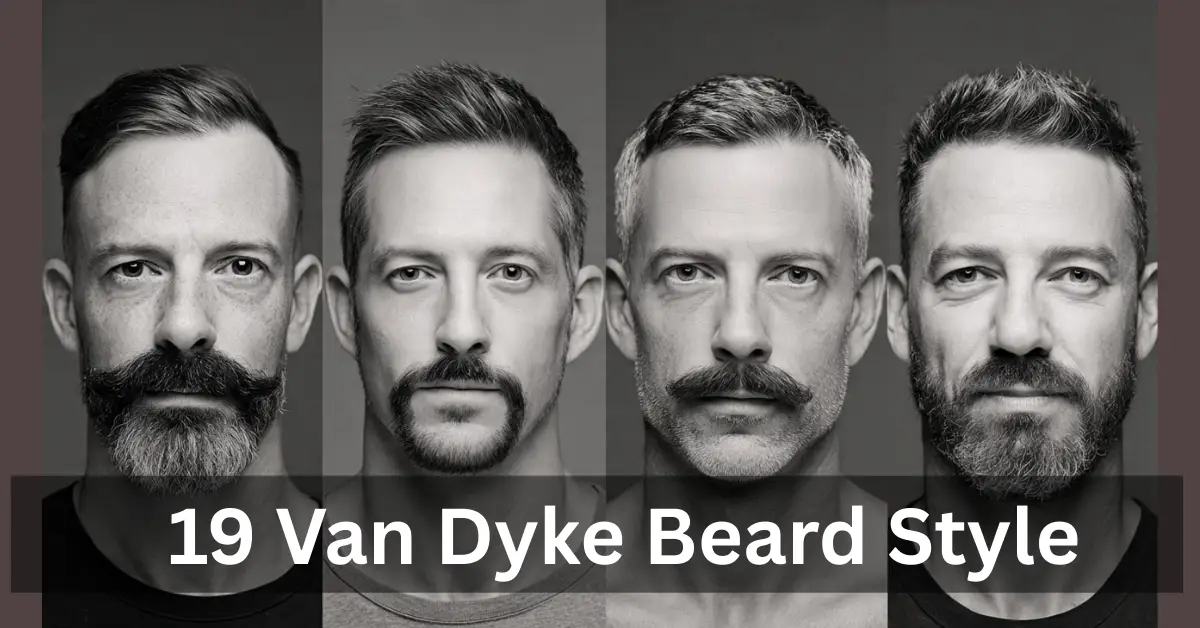
19 Van Dyke Beard Style Variations That Sharpen Your Profile Instantly
The van dyke beard style is built on precision and separation. Unlike full facial coverage, this design isolates a pointed chin beard from a defined mustache, creating sharp contrast and architectural structure.
Within the broader world of beard styles for men, the beard van dyke stands out for its dramatic silhouette and profile-enhancing power. It is one of the most refined pointed beard styles available for men who want structure without bulk.
19 Van Dyke Beard Style Variations That Define Sharp Masculinity
The van dyke beard style focuses on symmetry, sharp lines, and deliberate separation. Small adjustments in thickness, length, and taper dramatically change how the face appears. Below are 19 sculpted variations that elevate the beard van dyke into a statement of controlled masculinity.
1. Classic Van Dyke
The classic Van Dyke features a pointed chin beard paired with a separate mustache. The cheeks remain clean, creating strong contrast between negative space and facial hair.
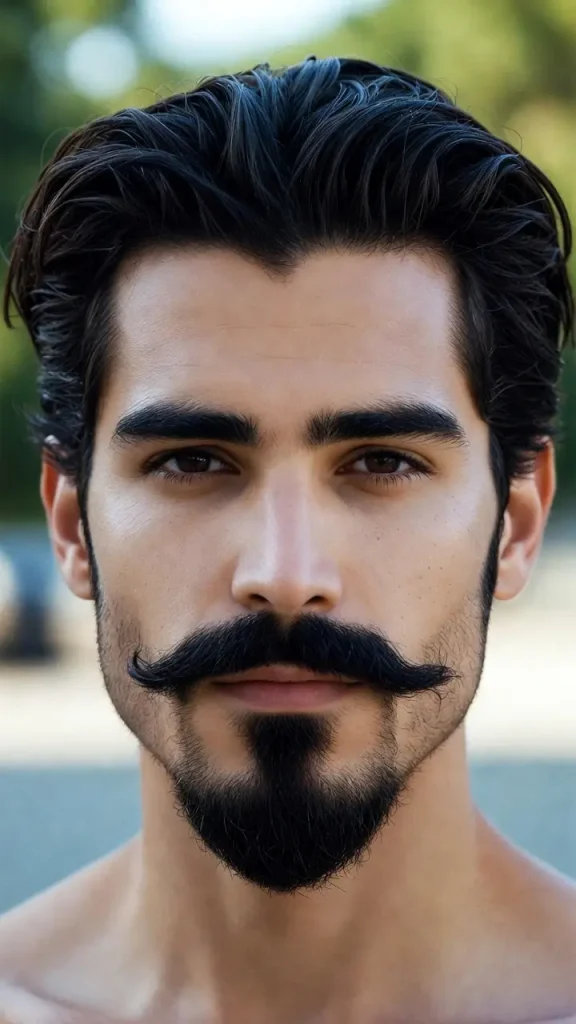
This version emphasizes chin projection and sharp profile definition. It works best for men who want clear structure without excessive density.
2. Short Van Dyke
The short Van Dyke keeps both the chin beard and mustache tightly trimmed. It maintains the signature separation while reducing overall visual weight.
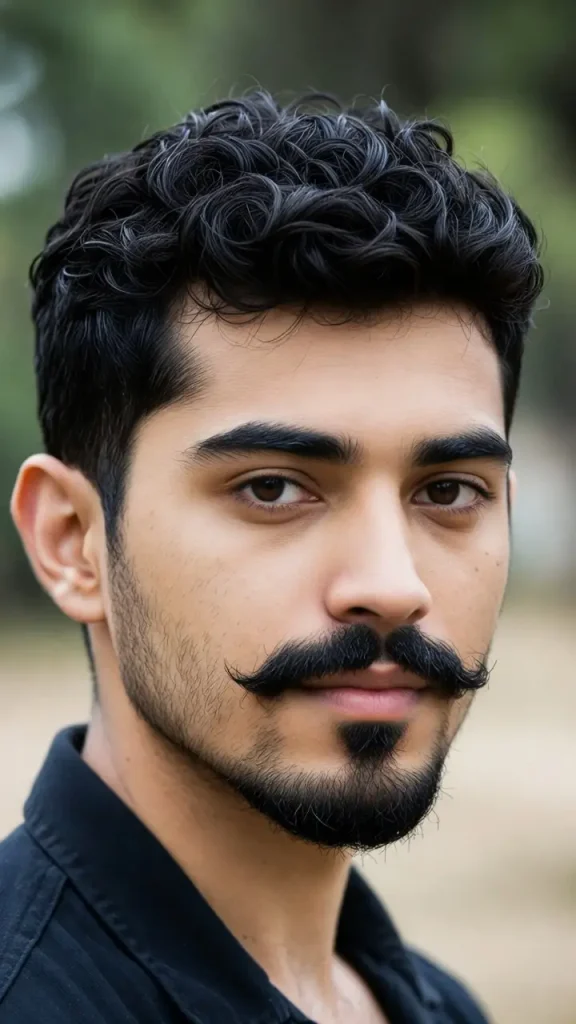
Among pointed beard styles, this variation is practical and professional. Clean edges and frequent trimming preserve its crisp silhouette.
3. Extended Pointed Van Dyke
The extended pointed Van Dyke elongates the chin section further downward, increasing vertical emphasis. The longer point sharpens the lower third of the face.
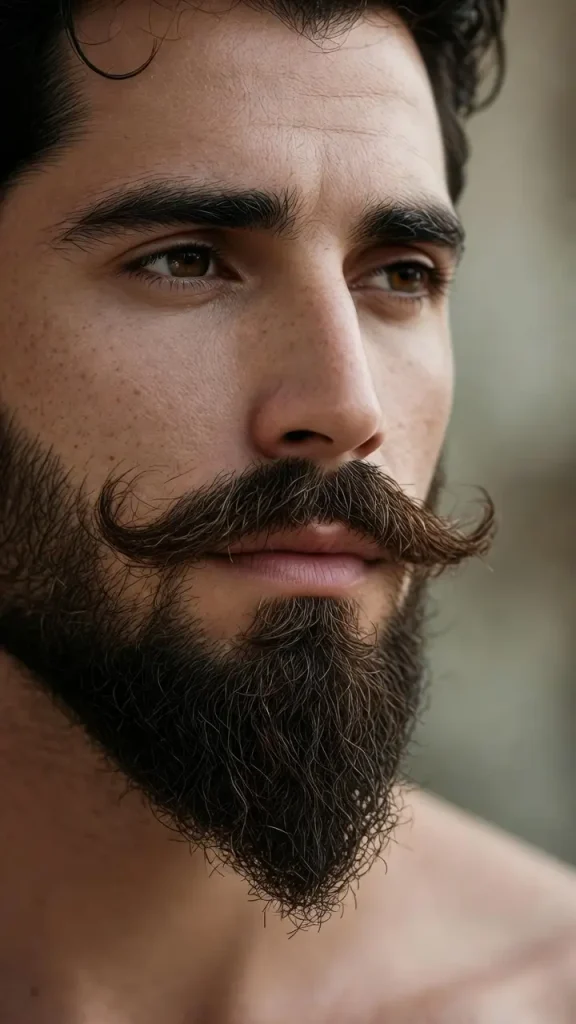
This beard van dyke variation is ideal for men with rounder facial structures because it creates length without adding width. Careful tapering ensures the extended point looks intentional rather than thin.
4. Thin Line Van Dyke
The thin line Van Dyke narrows the chin beard to a slimmer shape. It requires precise trimming because symmetry becomes more noticeable at reduced width.
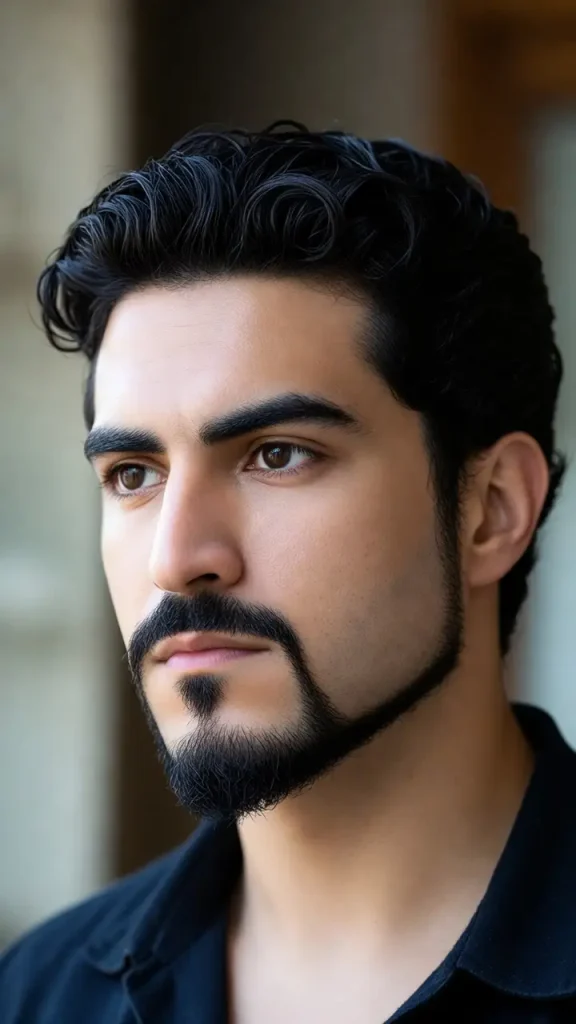
This style suits men who prefer minimalist definition. When executed properly, it delivers sharp structure without heavy density.
5. Thick Van Dyke
The thick Van Dyke increases density in both the mustache and chin area while preserving separation. The added volume enhances boldness and presence.
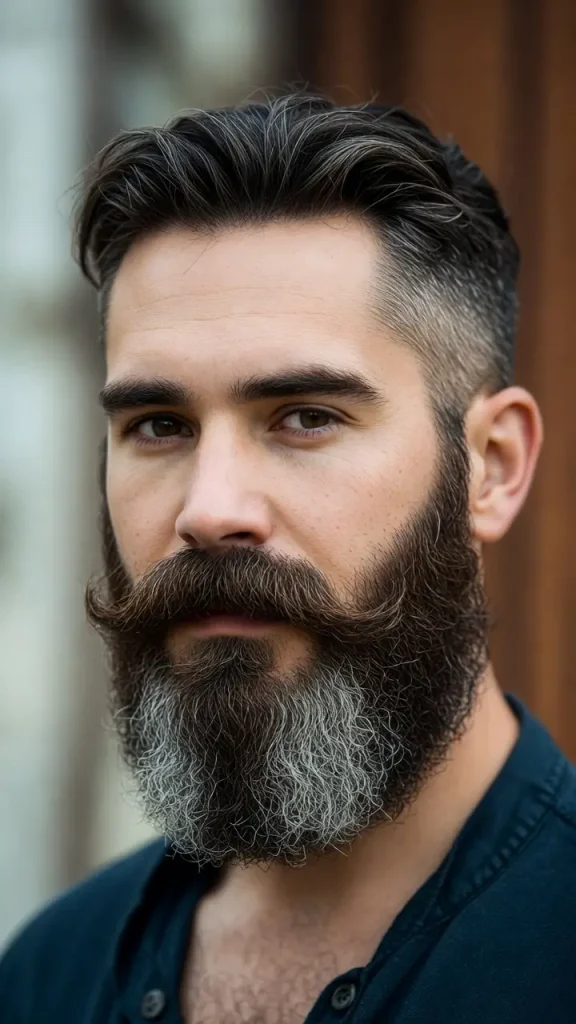
Among beard van dyke variations, this option works best for men with strong growth patterns. Controlled shaping keeps the thickness balanced and prevents the look from appearing heavy.
6. Tapered Van Dyke
The tapered Van Dyke gradually narrows toward the bottom of the chin instead of ending abruptly. This controlled taper sharpens the profile and creates vertical flow.
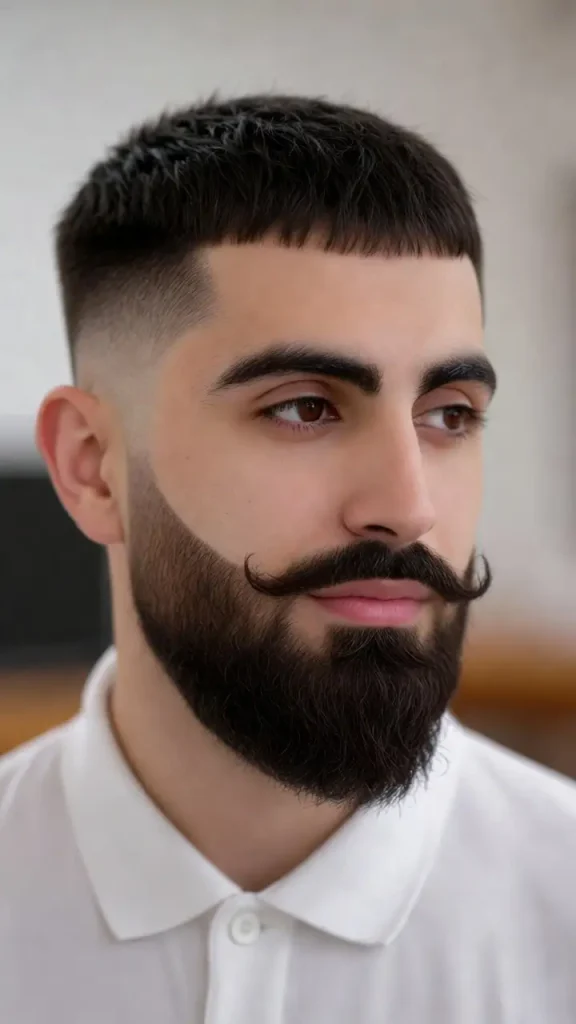
Among pointed beard styles, this variation is highly effective for elongating the lower third of the face. Precision trimming ensures the taper remains symmetrical and structured.
7. Faded Van Dyke Blend
The faded Van Dyke blend integrates subtle transition at the temples and sideburn area into the separated chin structure. Instead of harsh contrast between haircut and facial hair, the blend creates cohesion.
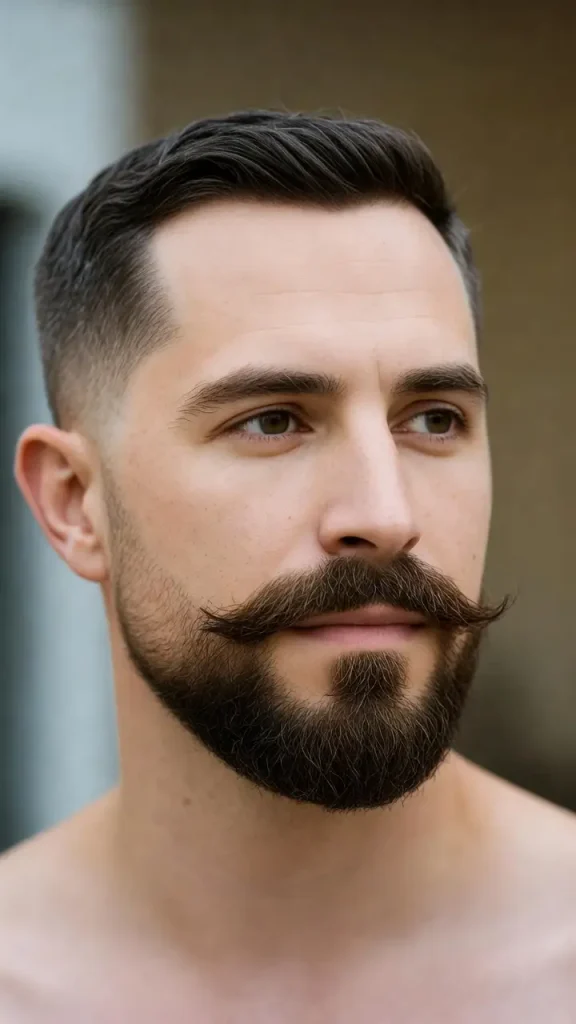
Executing this properly requires understanding gradient structure from a taper fade haircut styles guide. Choosing between different types of taper fades influences how sharp or soft the transition appears. This variation modernizes the beard van dyke while preserving its pointed identity.
8. Van Dyke with Hard Part
Pairing a Van Dyke with a hard part haircut introduces sharp linear contrast above the temples. The clean part line reinforces the beard’s structured separation.
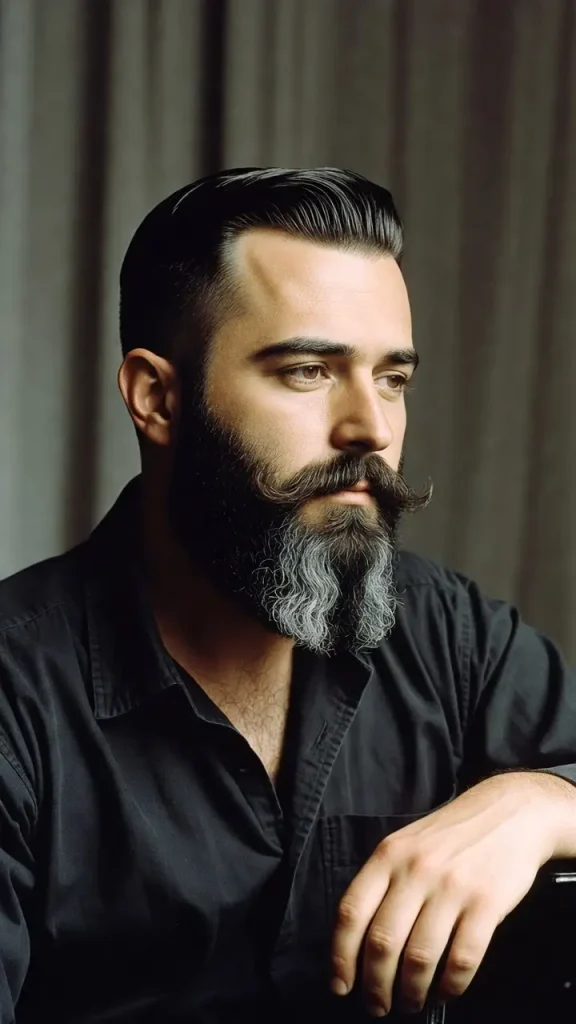
This combination enhances angular definition and works particularly well for men who prefer bold grooming geometry. Balance between the hard part and chin length is essential for symmetry.
9. Van Dyke with Undercut
The Van Dyke with undercut combines dramatic side contrast with a pointed chin silhouette. Tight sides amplify the visual dominance of the beard van dyke.
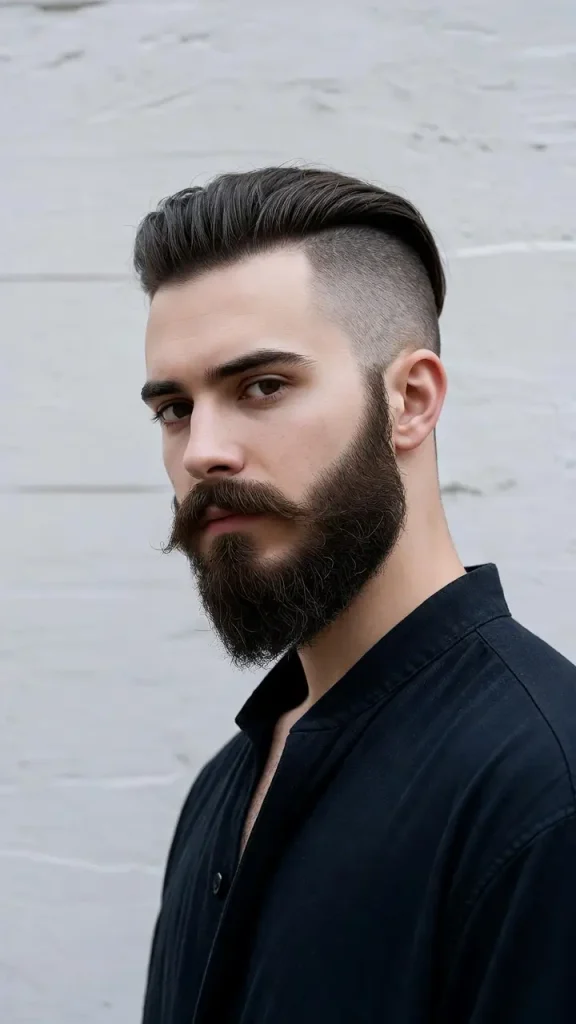
This pairing suits men who want sharp separation between top hair and facial hair. Clean cheek shaving ensures the style remains refined rather than chaotic.
10. Van Dyke with Buzz Cut
The Van Dyke with buzz cut shifts attention entirely to facial structure. With minimal hair on top, the pointed chin and separated mustache become the central design element.
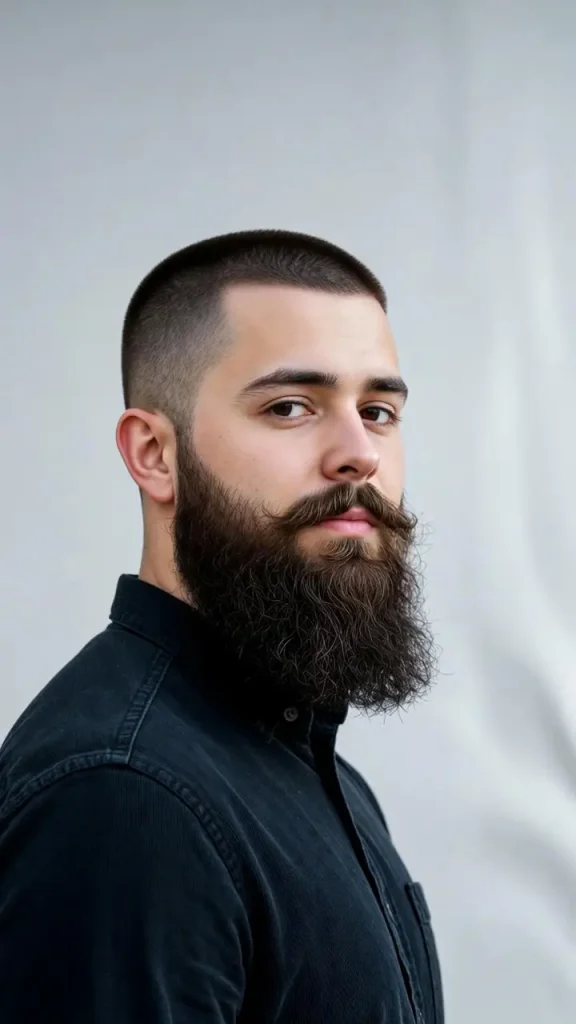
This variation delivers clean masculinity with low maintenance. The simplicity of the buzz cut highlights the precision of the van dyke beard style.
11. Disconnected Van Dyke
The disconnected Van Dyke exaggerates the separation between the mustache and chin beard. The gap becomes more pronounced, emphasizing contrast and negative space.
Among beard van dyke variations, this option feels artistic and intentional. Symmetry is critical, as uneven spacing disrupts the overall structure.
12. Van Dyke with Soul Patch Accent
Adding a defined soul patch beneath the lower lip strengthens the connection between mustache and chin beard without fully merging them.
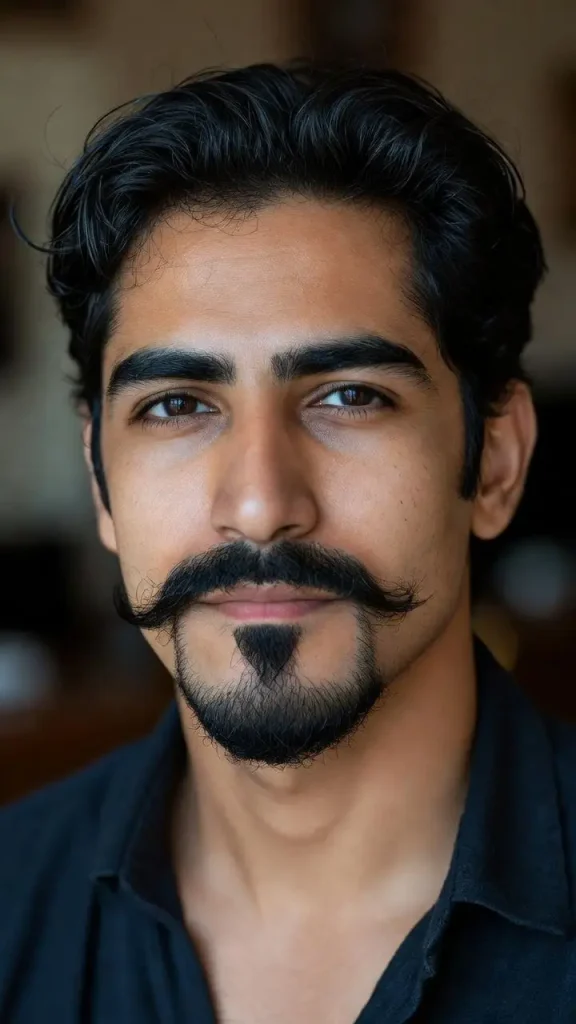
This layered approach enhances depth while maintaining separation. It is one of the most balanced pointed beard styles for men who want added dimension without increasing width.
13. Long Pointed Van Dyke
The long pointed Van Dyke extends significantly below the chin, creating dramatic vertical emphasis. The length intensifies the sharp silhouette that defines the style.
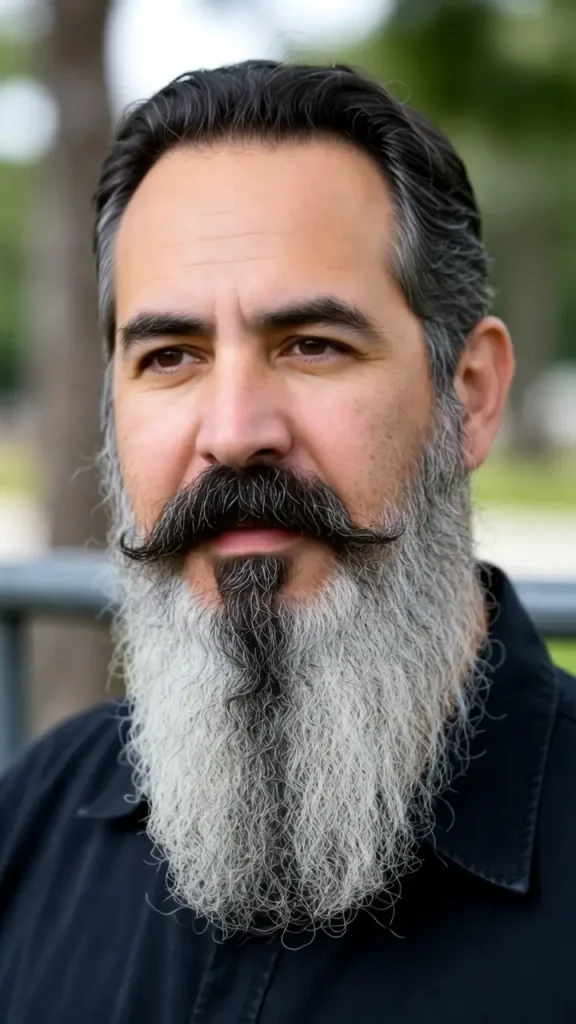
This beard van dyke variation works best for men with strong growth density and disciplined grooming habits. Careful tapering and controlled shaping prevent the extended point from appearing thin or unbalanced.
14. Corporate Van Dyke
The corporate Van Dyke refines the classic structure into a polished, workplace-ready version. Length remains moderate, edges are sharp, and the separation between mustache and chin beard is clean but not exaggerated.
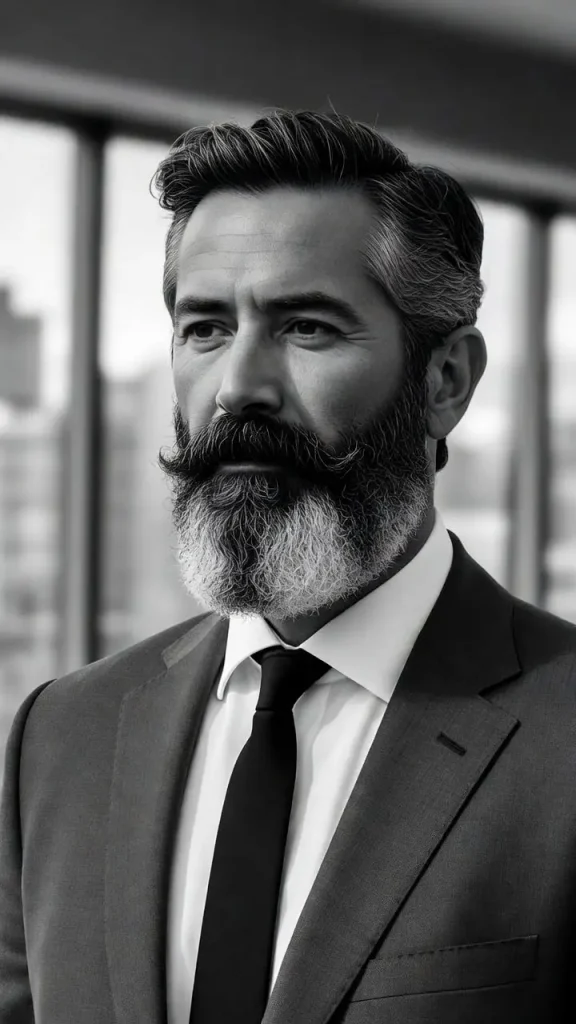
Among beard van dyke variations, this style balances individuality with professionalism. Controlled thickness and disciplined trimming keep the silhouette sharp without appearing theatrical.
15. Van Dyke for Round Face
For round faces, the Van Dyke should emphasize vertical extension. A slightly longer and tapered chin section elongates the lower third while keeping the mustache proportional.
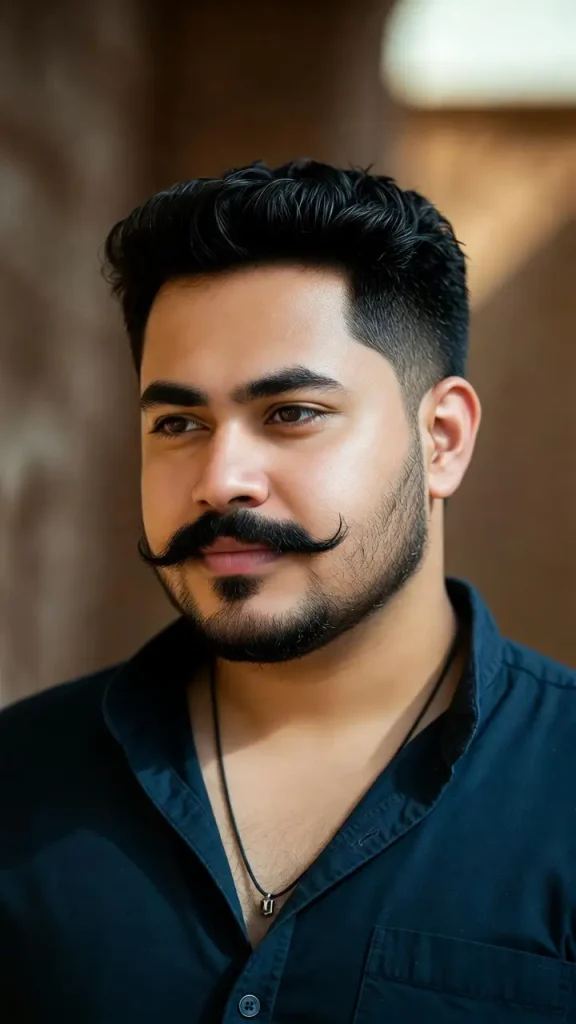
This is one of the most effective pointed beard styles for reducing facial width. Avoid overly thick chin growth that adds bulk. Clean cheek removal and controlled tapering create sharper structure.
16. Van Dyke for Square Face
Square faces already have strong jawlines and angular definition. The Van Dyke should introduce subtle softness without removing structure.
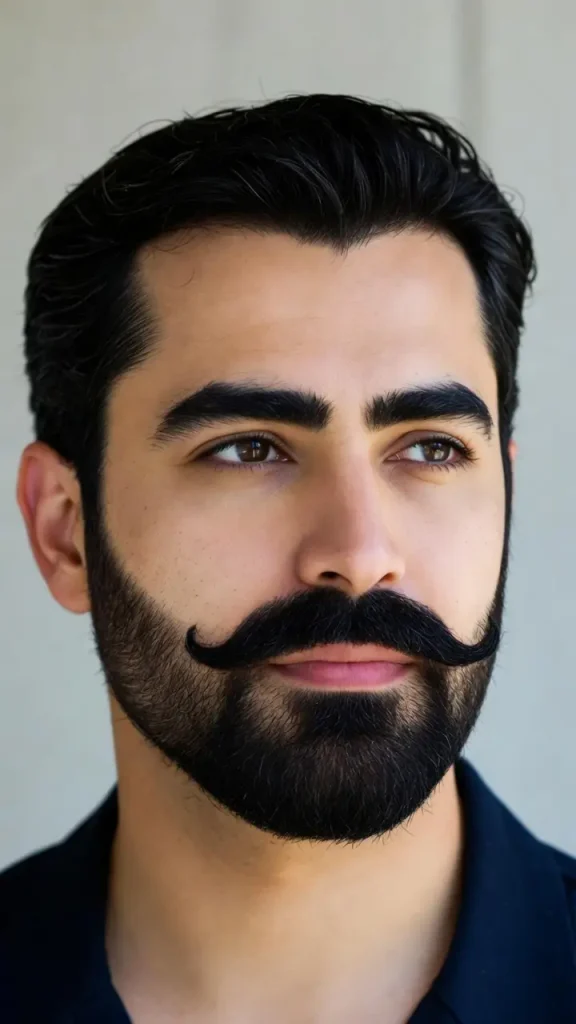
Rounded tapering at the chin point reduces harsh angles while preserving the beard’s sharp identity. Moderate thickness works better than extremely thin lines for maintaining balance.
17. Van Dyke for Oval Face
Oval faces offer flexibility across most van dyke beard style variations. The goal is maintaining natural symmetry rather than correcting proportion.
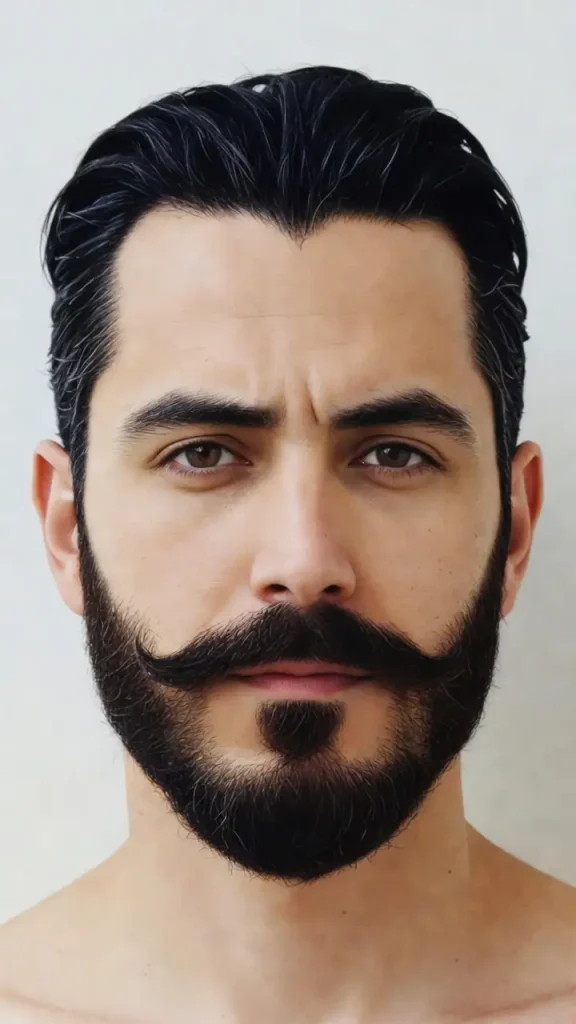
Classic and tapered versions work particularly well. Avoid excessive length that stretches facial balance. Precision trimming keeps the beard van dyke aligned with the face’s natural structure.
18. Van Dyke for Bald Men
With a bald head, the Van Dyke becomes the primary focal point. The pointed chin design adds structure and draws attention downward, enhancing jaw definition.
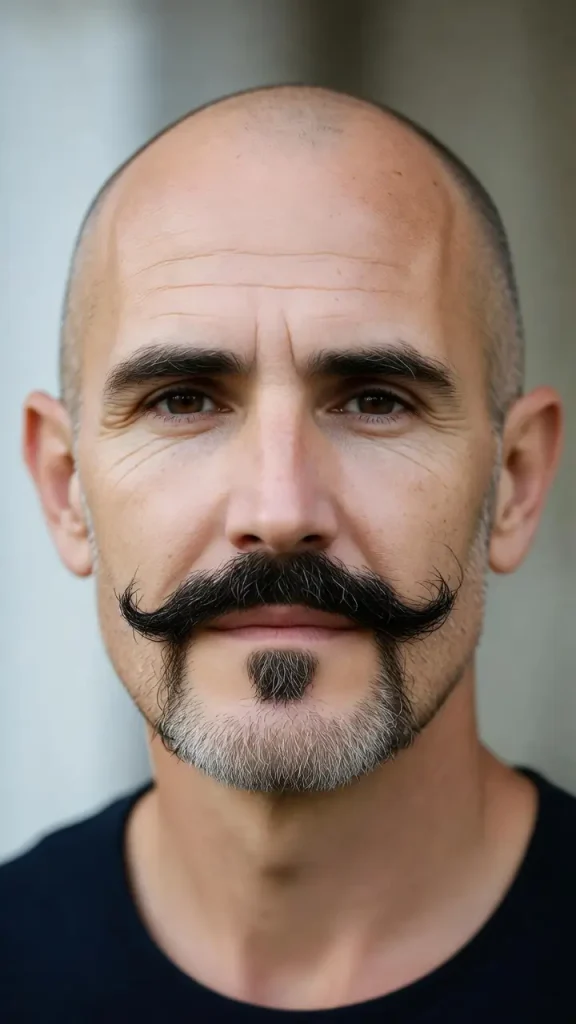
Moderate thickness with disciplined separation works best. Clean neckline control ensures the style looks intentional and powerful rather than sparse.
19. Sculpted Modern Van Dyke
The sculpted modern Van Dyke combines sharp tapering, balanced density, and precise separation. It refines traditional pointed beard styles into a contemporary, editorial-ready look.
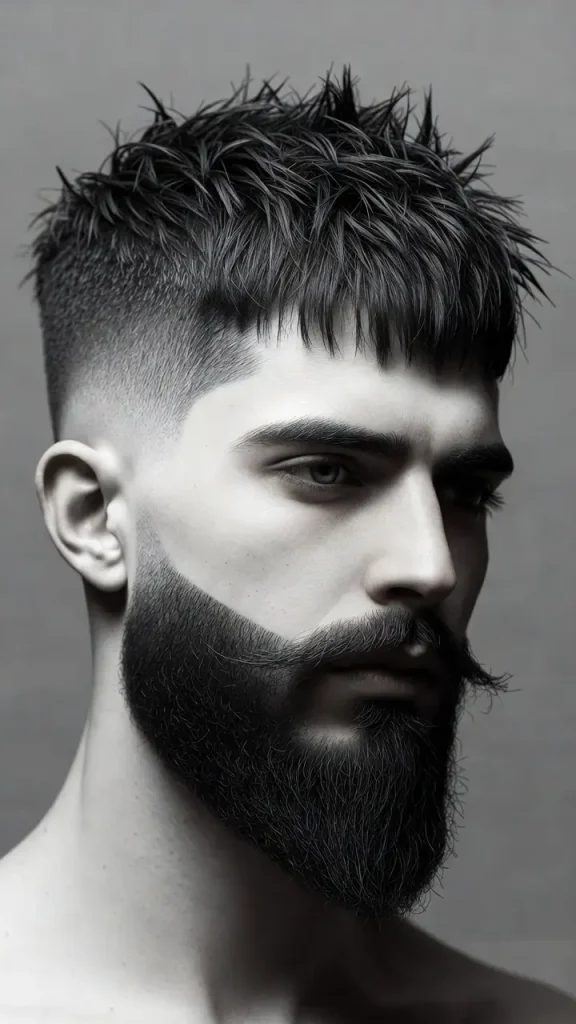
Symmetry, edge control, and controlled chin shaping define this final evolution of the beard van dyke. The result is sharp, structured, and unmistakably deliberate.
How to Choose the Right Van Dyke Beard Style for Your Face Shape
The van dyke beard style is highly sensitive to proportion because it isolates the chin and mustache from the rest of the face. Small changes in length or thickness can dramatically alter how your profile appears. Choosing the right beard van dyke variation means enhancing structure rather than exaggerating imbalance.
Round Face Strategy
For round faces, the goal is vertical elongation. A slightly extended and tapered chin section helps lengthen the lower third while keeping the mustache clean and proportional.
Among pointed beard styles, longer and subtly narrowed Van Dyke variations work best. Avoid thick, wide chin growth that adds visual bulk. Clean cheek shaving and sharp edge control maximize definition.
Square Face Strategy
Square faces already have strong angular structure. The Van Dyke should soften sharpness without losing character.
Rounded tapering at the chin point helps reduce harsh edges. Moderate density prevents the beard from exaggerating width. Balanced shaping keeps the van dyke beard style sharp yet proportionate.
Oval Face Strategy
Oval faces are naturally balanced, allowing flexibility across most beard van dyke variations. The focus should remain on maintaining symmetry rather than aggressive correction.
Classic, short, or lightly tapered styles complement oval features well. Avoid excessive chin length that stretches facial proportions vertically.
Bald Head Strategy
With a bald head, the Van Dyke becomes the dominant design feature. The pointed chin creates structure and draws attention downward.
Moderate thickness and disciplined trimming are essential. Clean neckline placement and symmetrical shaping ensure the style looks intentional and strong rather than sparse.
Van Dyke Beard Maintenance and Precision Grooming
The van dyke beard style depends on sharp separation and clean geometry. Because the cheeks remain bare, every line and angle becomes more visible. Precision grooming is not optional. It is the foundation that keeps the beard van dyke looking intentional rather than uneven.
Trimming the Point
The chin point defines the entire silhouette. Whether short or extended, it must remain symmetrical and centered. Even slight imbalance can distort the profile.
Trim gradually rather than removing bulk all at once. Use controlled downward shaping to maintain the tapered finish that distinguishes pointed beard styles from rounded chin beards.
Mustache Separation Control
Clear separation between the mustache and chin beard is critical. The gap should be intentional and evenly spaced on both sides.
Regular detailing around the corners of the mouth prevents merging. Keeping the mustache trimmed and balanced ensures the van dyke beard style maintains its distinct architectural identity.
Cheek and Neckline Discipline
Although the cheeks are clean, edge discipline remains essential. Any stray growth outside the intended shape weakens contrast.
Neckline placement should sit just above the Adam’s apple to maintain jaw clarity. Using professional barber tools for fades improves precision when defining edges and maintaining symmetry. Sharp detailing keeps the beard van dyke structured and refined.
Fade Integration Strategy
If the Van Dyke connects into a faded temple or side transition, the blend must remain sharp. A blurred fade disrupts the clean separation that defines this style.
Understanding gradient transitions from a taper fade haircut styles guide ensures the side area blends without overpowering the chin structure. Maintaining that transition with a structured fade routine preserves cohesion between haircut and facial hair.
FAQs About Van Dyke Beard Style
The van dyke beard style is precise, bold, and structurally different from most chin-focused beards. Because it relies on separation and symmetry, small details matter. Below are direct answers to the most common questions about beard van dyke variations and pointed beard styles.